
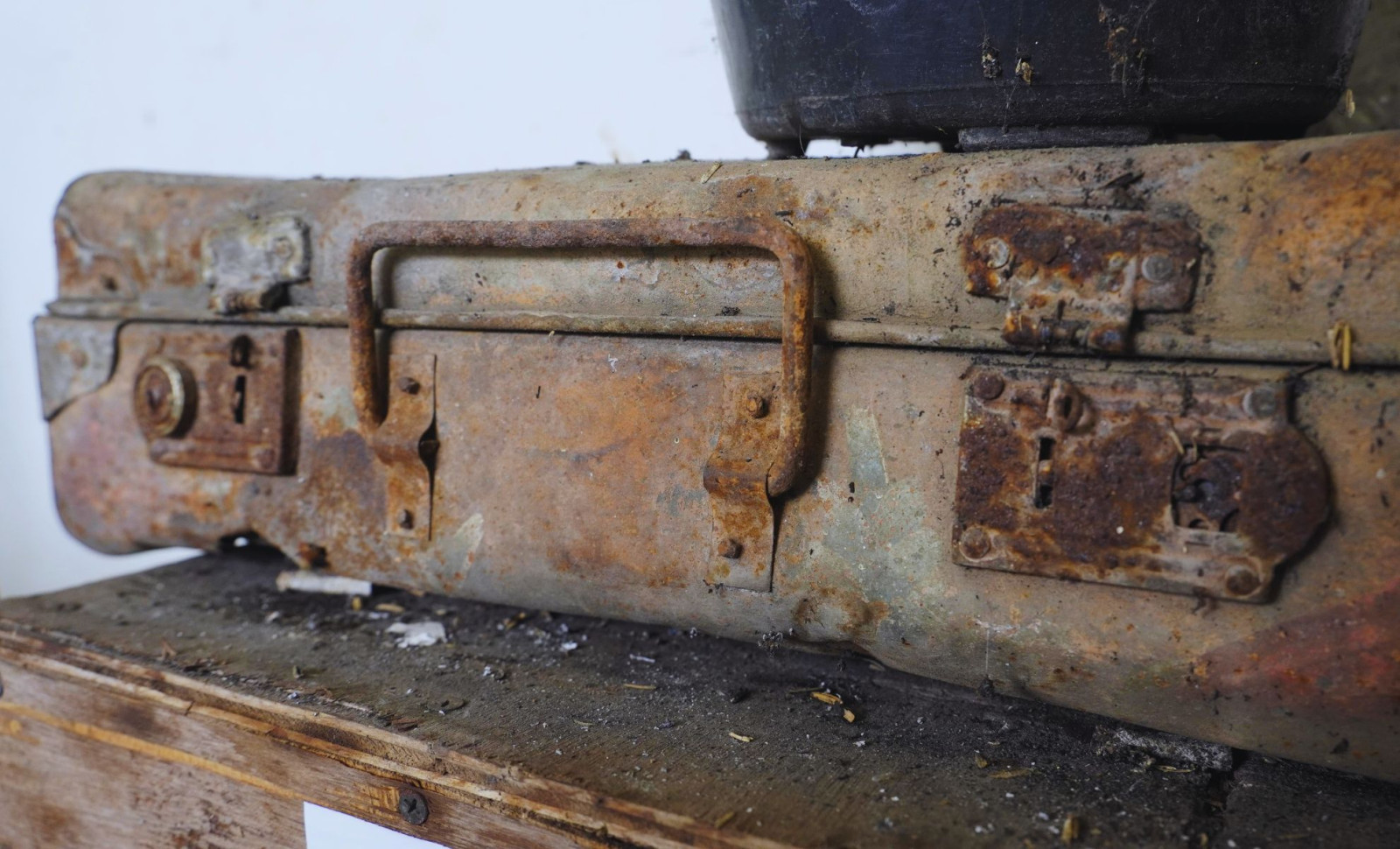
Deep within a Canadian bank vault untouched for over a century, a suitcase has emerged containing a trove of regal jewels, including the legendary Florentine Diamond. Stashed away by Empress Zita during her exile, this find sheds new light on a long-forgotten historical enigma.
The suitcase belonged to Empress Zita, the final empress of the Austria-Hungary empire. In the turmoil of early 20th-century wars and upheavals, she safeguarded a portion of her precious jewelry collection in Canada, far removed from European conflicts.
Records indicate that the vault remained sealed for more than a century, with each succeeding generation honoring Zita’s wish to keep its contents confidential. It was only recently reopened by her heirs, led by Karl von Habsburg-Lothringen, confirming that numerous missing treasures had been carefully preserved.

An Exile’s Secret Treasures Come to Light
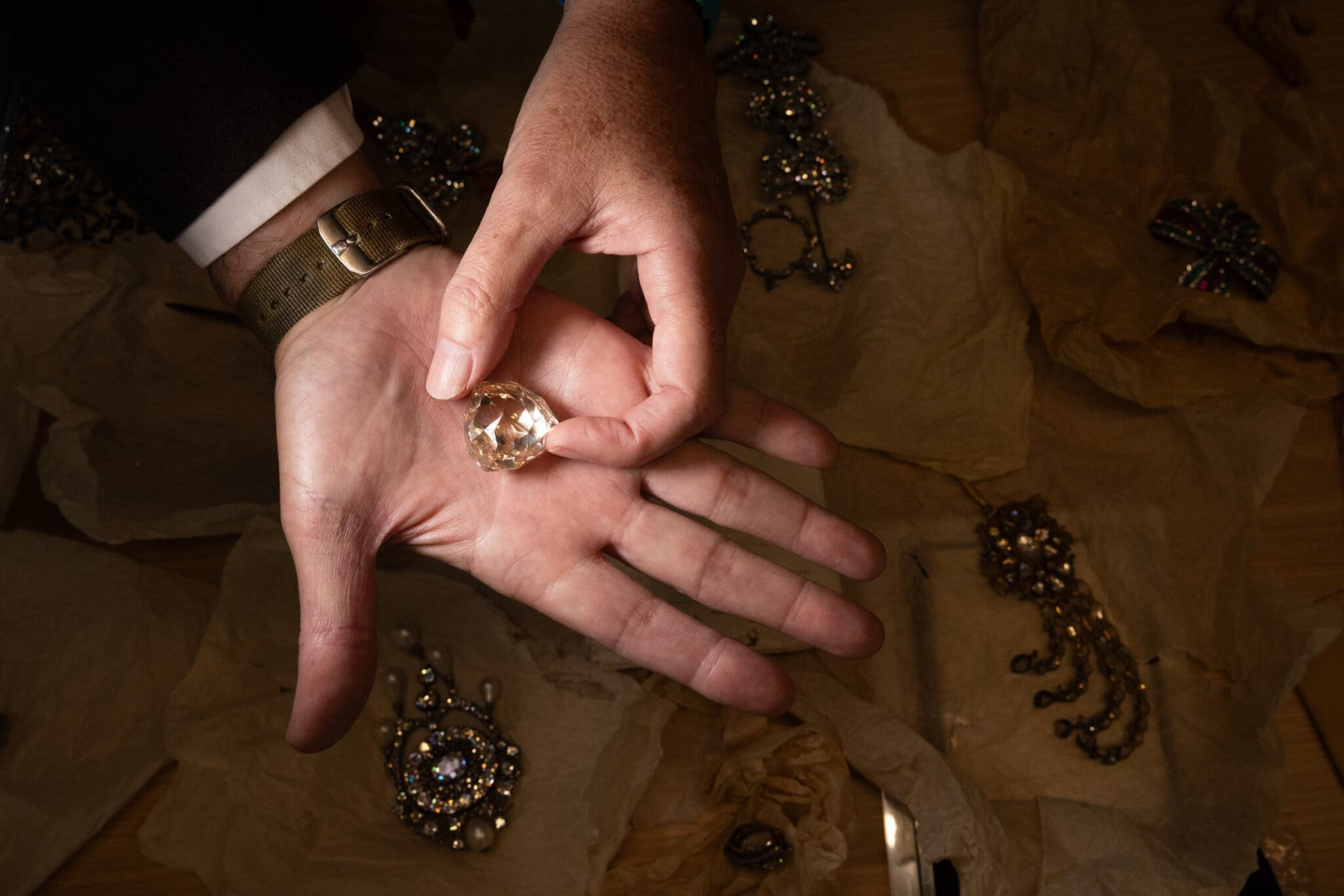
This narrative begins with the fall of the Habsburg dynasty following World War I. During this era, Emperor Karl had relocated some family jewels to Switzerland. Afterward, several pieces—including the Florentine Diamond—vanished from public records. Based on historical sources, many speculated the diamond was lost or altered. Discovering it among Zita’s belongings contradicts those assumptions.
In 1940, as German forces advanced, Zita hastily evacuated Belgium with her children. The family made their way through Portugal before settling in Quebec, embracing a more modest life far removed from imperial grandeur.
Could the Florentine Diamond Have Resurfaced?
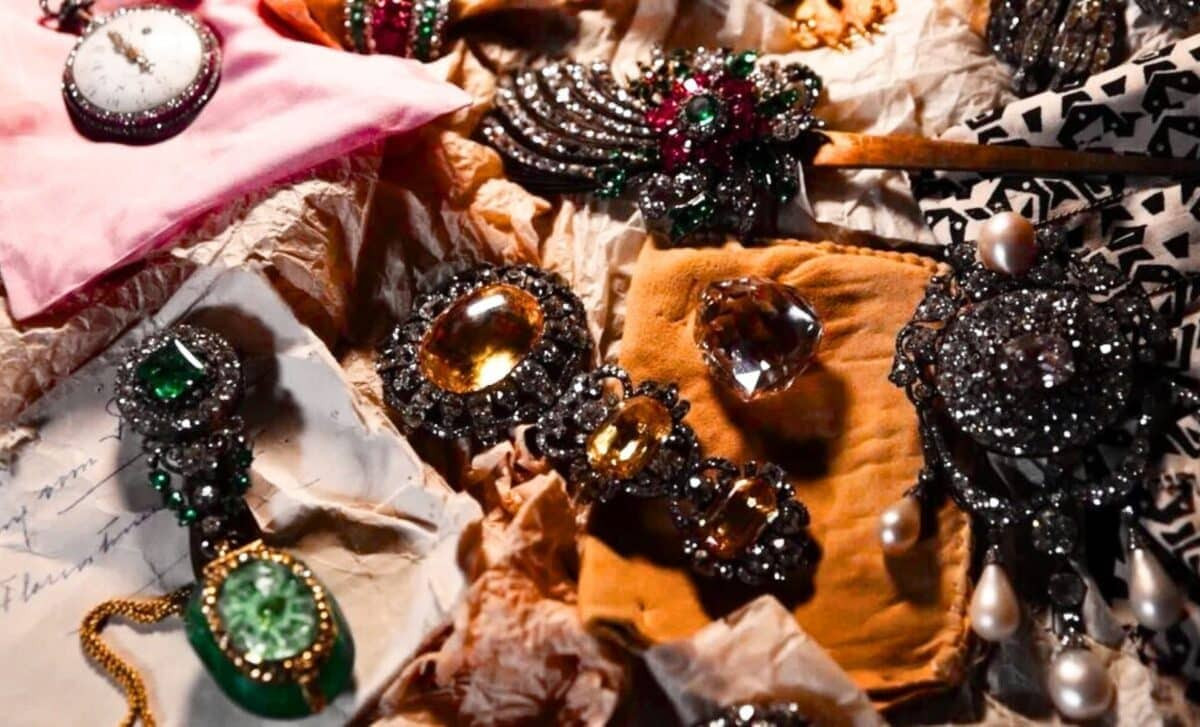
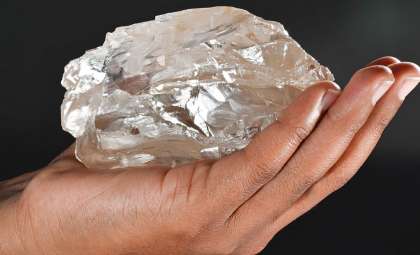
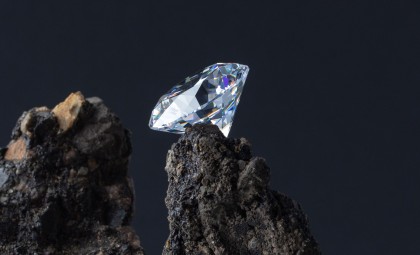
At the heart of this remarkable find lies a suitcase containing the Florentine Diamond, a pale yellow gem weighing approximately 137 carats. Its lineage traces back to the Medici family in Italy before joining the Habsburg collections through marriage alliances. Detailed by Earth.com, the stone boasts a double-rose cut featuring triangular facets on both sides. Once part of Austria’s crown jewels, it adorned ceremonial garments worn by figures like Empress Maria Theresa.
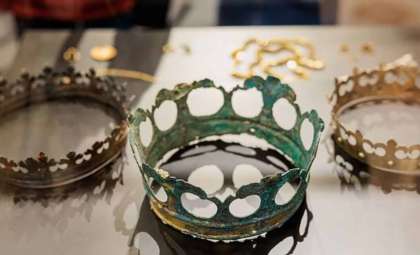
The suitcase also housed additional treasures such as ornate badges, hat pins displaying Hungarian colors, and decorative bows embellished with old-cut diamonds and yellow sapphires. These artifacts provide valuable insights into the fashion and symbolism of their era.
The Legacy of a Hidden Suitcase
Zita did more than conceal these precious items—she also imposed strict conditions. The suitcase was not to be accessed until 100 years after Karl’s death in 1922. Reports suggest that her descendants honored this request meticulously, maintaining the vault payments while keeping the cache undisclosed.
With the jewels now recovered, plans are underway to exhibit them at a Canadian museum before returning them to secure storage. Karl von Habsburg-Lothringen expressed a desire for public access to the collection while recognizing Canada’s pivotal role in his family’s refuge.
” It is our heartfelt desire to make our historically significant private jewelry accessible to the public,” he stated. ” We would like to extend our gratitude to the people of Canada, who provided a safe haven for our family in 1940, protecting them from extremely challenging circumstances.”
Meanwhile, debates regarding the rightful ownership of the jewels are emerging. Austrian officials are evaluating if these treasures should remain with the family or be designated as part of the nation’s cultural heritage.
- Categories:
- News




0 comments
Sign in to Comment