

Each year, countless electronic gadgets are discarded, often without recognizing that they contain valuable 22-carat gold. Scientists at ETH Zurich in Switzerland have pioneered an environmentally friendly technique to extract this precious metal from electronic waste, presenting a promising solution to the escalating e-waste crisis.
Hidden Gold in Everyday Electronics
When electronics become outdated or damaged, most people simply dispose of them, contributing to the global accumulation of nearly 50 million tons of electronic waste annually. What many overlook is that these devices contain significant quantities of gold, particularly within components such as circuit boards.
On average, one ton of electronic scrap can hold from 300 to 400 grams of gold, surpassing amounts typically extracted from conventional mining. Unfortunately, most of this valuable metal is lost to landfills under current disposal practices.

Traditional gold recovery relies on hazardous substances like cyanide and mercury, making the process both expensive and harmful to the environment.
A Sustainable Approach Using Cheese Byproduct
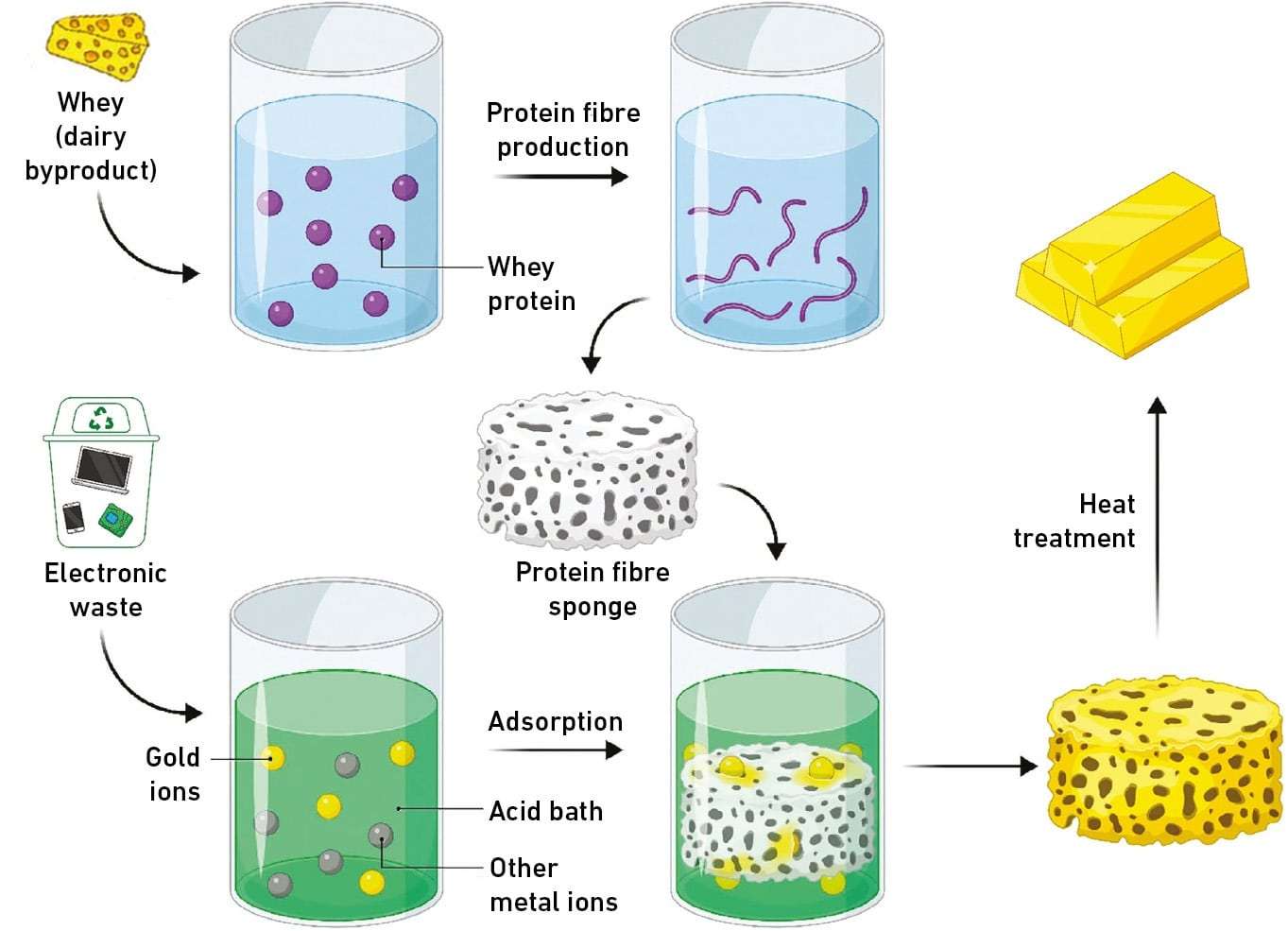
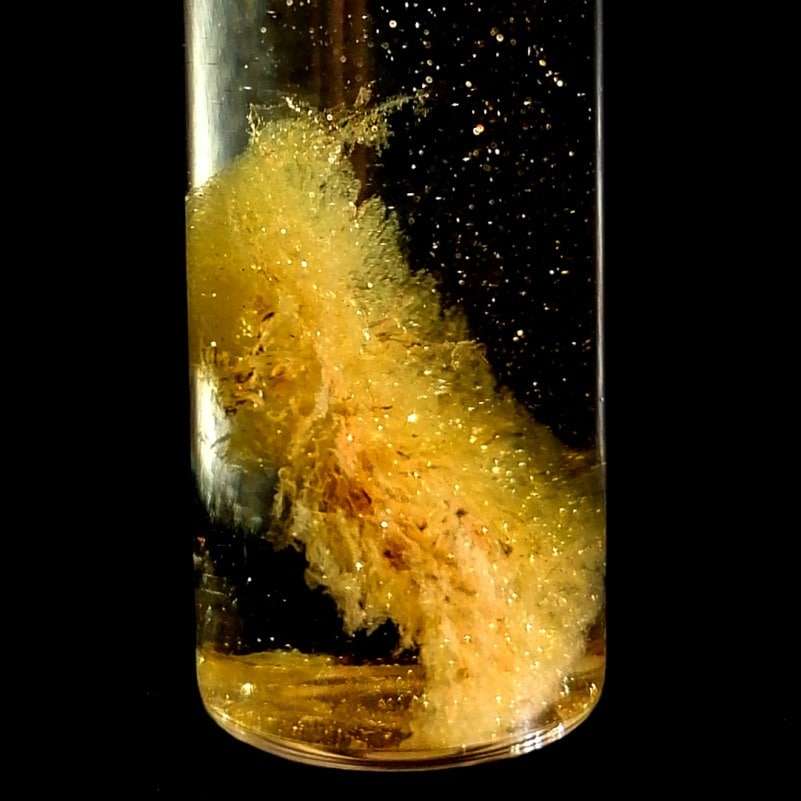
Researchers at ETH Zurich have unveiled a novel, greener technique centered on a sponge-like material composed of protein fibrils sourced from whey, a leftover byproduct of cheese manufacture. These protein-based sponges efficiently trap gold ions from solutions derived from dissolved electronic parts.
Following gold ion capture, a heating phase transforms the gold into pure nuggets of 22-carat gold. Impressively, processing just 20 circuit boards yields about 450 milligrams of refined gold. This breakthrough not only offers an eco-friendly gold recovery method but also finds valuable use for agricultural residues, benefiting multiple sectors simultaneously.
Advancing a Circular Future for Electronics
The consequences of this advancement stretch beyond just gold. Electronic components also hold recoverable metals such as nickel, copper, and palladium, which can be reclaimed through methods like pyrometallurgy and hydrometallurgy.
Integrating ETH Zurich’s protein sponge technique with these existing technologies could greatly enhance the efficiency and eco-friendliness of electronic recycling. Currently, an estimated 80 percent of global e-waste goes unrecycled, as reported by France Live, representing both environmental damage and squandered economic value.
By maximizing material recovery from discarded electronics, industries can lessen dependence on destructive mining and foster a more sustainable circular economy, keeping valuable resources in use longer.
Cleaner Tech with Promising Prospects
This Swiss innovation transforms how society perceives e-waste—from mere garbage into a rich repository of precious elements. Importantly, unlike conventional techniques, this approach avoids toxic chemicals, minimizes environmental impact, and utilizes waste materials that would otherwise be thrown away.
This technology holds the potential to reshape recycling on a wide scale, inspiring both manufacturers and consumers to rethink electronic disposal practices with their old devices. As knowledge spreads, turning obsolete gadgets into valuable resources could evolve from a scientific breakthrough into a cornerstone of sustainable resource management.
- Categories:
- News












0 comments
Sign in to Comment