
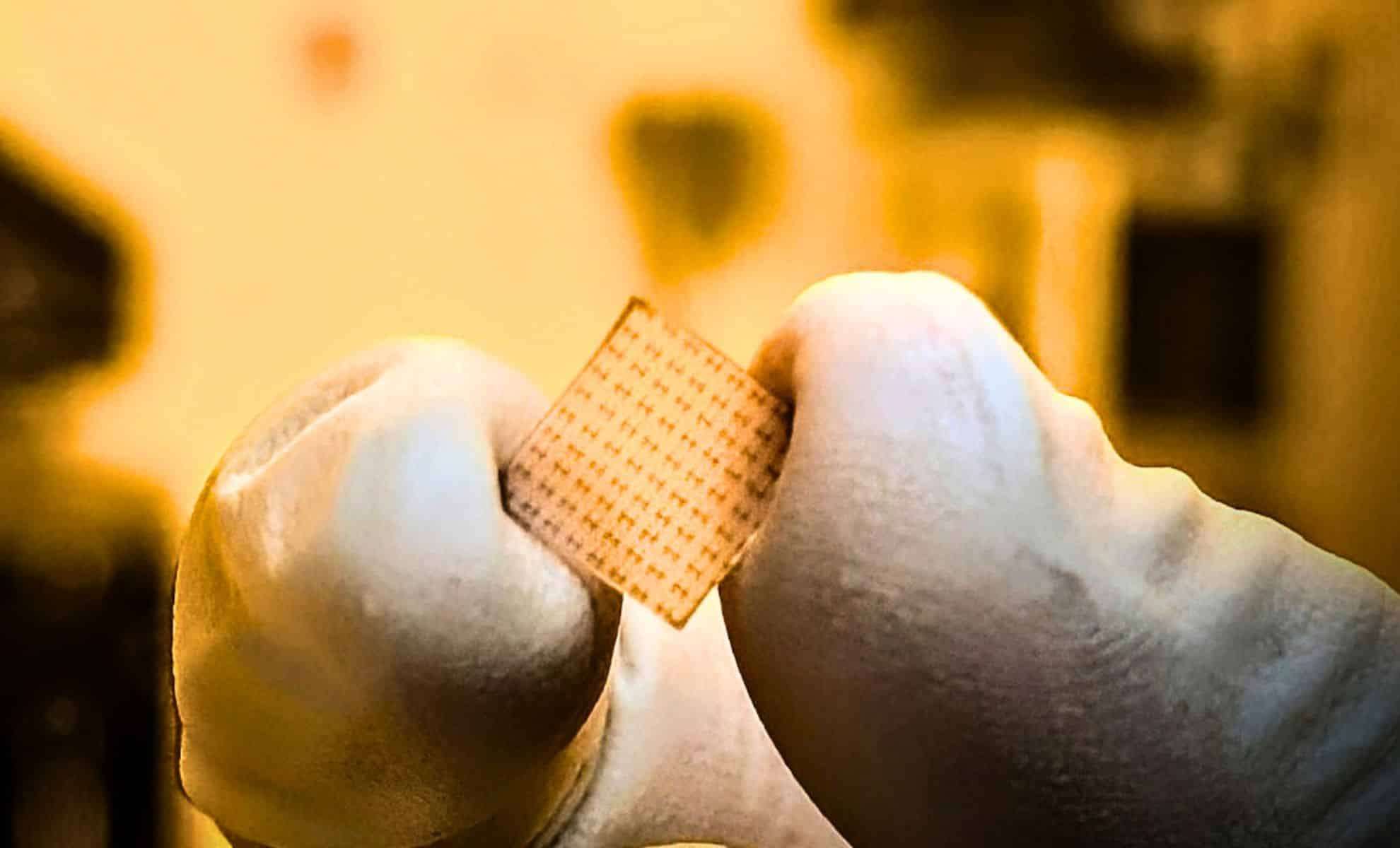
For decades, copper has been the primary choice for electrical conductors, powering everything from vast electrical grids to the tiniest circuit components. However, recent advancements challenge this long-standing dominance.
Scientists at Stanford University have unveiled a material called niobium phosphide that demonstrates exceptional conductivity at nanoscale dimensions, surpassing copper’s performance. This discovery may redefine electronic materials and energy efficiency.
Challenges facing copper in miniaturized technology
Despite copper’s wide availability and excellent conductive properties, it encounters critical issues as electronic components become smaller.

When conductive elements shrink to mere atoms in thickness, copper suffers from increased electrical resistance, energy dissipation, and excessive heat production, hampering device performance and reliability.
Niobium phosphide offers a promising solution to these issues.
A material redefining nanoscale conduction
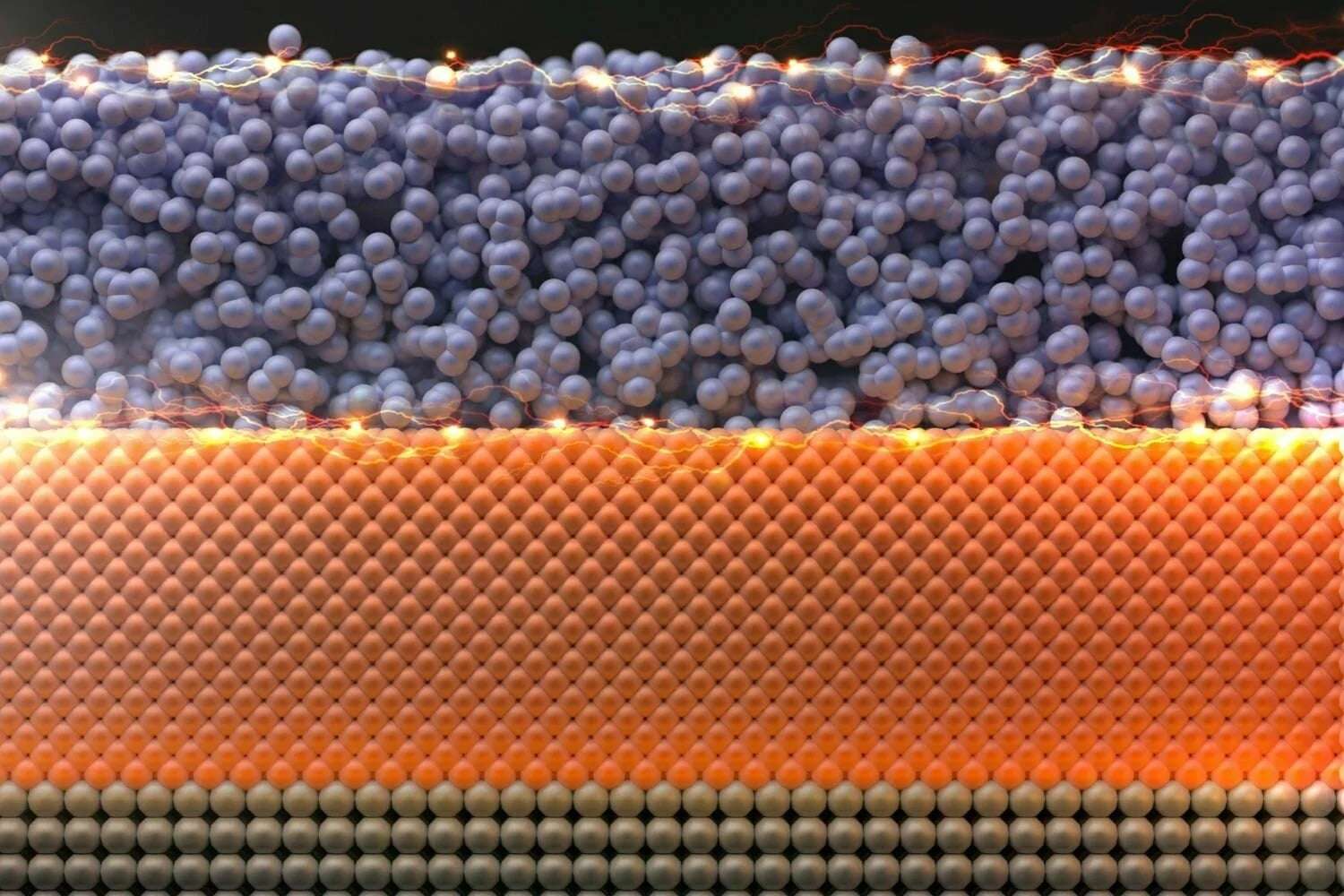
According to the researchers, niobium phosphide maintains robust conductive qualities even when fabricated as films thinner than 5 nanometers, where copper’s efficiency usually deteriorates.
The notable advantages include:
- Superior nanoscale conductivity – Effective in ultra-thin layers where copper falters.
- Reduced thermal output and enhanced stability – Helps keep devices cooler and prolongs their operational lifespan.
- Compatibility with existing manufacturing – Fits readily into current silicon-chip fabrication processes without complex adjustments.
Potential impacts on future electronic devices
The integration of niobium phosphide could revolutionize electronics by enabling:
- More powerful, energy-efficient microprocessors – Cutting down energy waste to boost performance.
- Extended battery durations – Ideal for smartphones, wearables, and other portable electronics.
- Improved data transmission speeds – Benefiting emergent technologies like 5G and artificial intelligence computing.
While it may take time for niobium phosphide to replace copper extensively, its unique nanoscale capabilities make it a strong contender for next-gen electronics.
Is copper’s reign coming to an end?
This breakthrough signals more than a simple material swap; it could trigger a major evolution in electronic design principles. Researchers are also investigating other topological semimetals with the potential to push device efficiency even further.
The electronics sector faces a pivotal decision: continue relying on copper’s aging infrastructure or transition towards materials fostering smaller, faster, and more efficient technology.
One thing remains certain: copper’s dominance is waning, and materials like niobium phosphide are set to spearhead the transformation.
Learn more in the Stanford Report
- Categories:
- News












0 comments
Sign in to Comment