
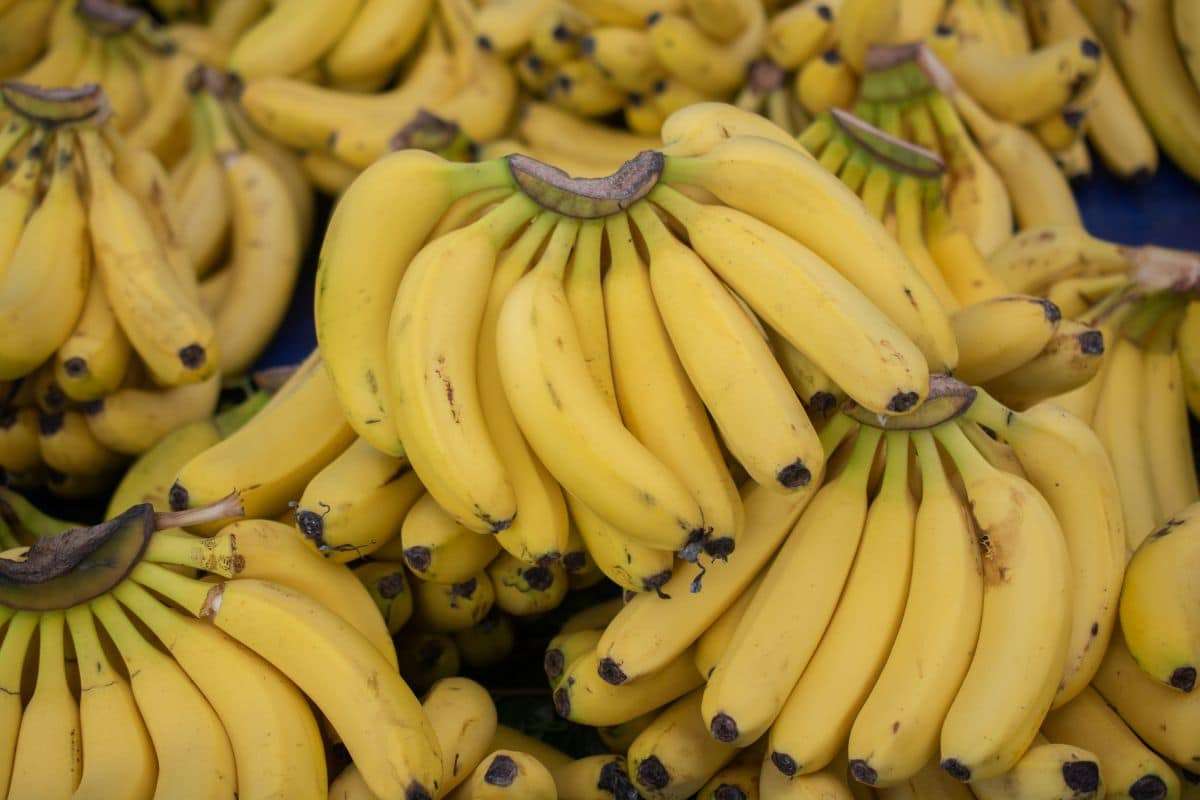
Ranked among the globe’s favorite fruits, bananas now confront an unprecedented danger threatening their continued existence. A lethal fungal pathogen known as Fusarium wilt tropical race 4 (TR4) is aggressively advancing through key banana-producing regions, jeopardizing the food supply for millions.
TR4, a particularly aggressive variant of Fusarium oxysporum, endangers not only international banana commerce but also locally cherished varieties vital to many communities worldwide. Fortunately, emerging scientific studies bring renewed optimism that cutting-edge technology might prevent bananas from disappearing.
The Rising Menace: TR4’s Worldwide Spread and Consequences
Fusarium wilt has long plagued banana cultivation. In the mid-20th century, the Gros Michel banana, once the predominant market variety, was devastated by an earlier Fusarium strain.
The banana industry then shifted to cultivating the Cavendish variety, which seemed immune to that earlier disease. However, since the 1990s, TR4, a novel and far more threatening strain, has been making steady inroads. Originating in Southeast Asia, TR4 has spread to Africa, Australia, and recently the Americas.
The recent detection of TR4 in Colombia and Peru, two of the largest banana-exporting nations globally, signals a critical threat to the Cavendish banana’s dominance and survival.

Understanding TR4’s Deadly Power
What distinguishes TR4 from previous Fusarium strains is its exceptional capacity for destruction. Earlier variants’ impacts could be managed through soil care and water regulation, but TR4 devastates banana plants regardless of such environmental controls. Its destructive edge stems from its ability to generate nitric oxide, a compound that undermines bananas’ natural defenses.
Scientists at the University of Massachusetts Amherst have identified this vital mechanism. Their findings indicate that disabling the genes responsible for nitric oxide production substantially weakens TR4, paving the way for novel disease management strategies.
Monoculture Vulnerabilities: How Uniformity Exposes Bananas to Threats
Global banana cultivation heavily depends on monoculture farming, especially of the Cavendish variety. This approach guarantees product consistency worldwide but also creates huge risks: a single pathogen can ravage entire crops lacking genetic variation. Experts have long cautioned against monocropping, and the TR4 outbreak exemplifies why diversification is essential.
UMass Amherst’s researcher Li-Jun Ma emphasizes the need to broaden banana crop diversity to improve resilience against diseases. While genetically engineered TR4-resistant bananas are under development, obstacles such as the banana’s complicated genome and the high cost of replanting are significant challenges.
Hope on the Horizon: Advances in Genetic and Breeding Research
Despite formidable obstacles, exciting genetic breakthroughs offer renewed hope. The revelation that TR4 depends on nitric oxide synthesis unlocks fresh potential avenues to control its spread. By targeting this process, researchers aim to curb or neutralize TR4’s impact.
Additionally, scientists are investigating alternative banana types with natural resistance to TR4 through selective breeding and genetic modification. Although early in progress, these methods could ensure a more secure future for banana cultivation.
How Consumers Can Support Banana Conservation
Although farmers and scientists lead the charge against TR4, consumers can contribute by encouraging agricultural diversity and sustainability. Opting for various banana types, including disease-resistant alternatives, helps reduce monoculture dependence.
Specialty markets often carry less common banana varieties that may better withstand TR4, providing a practical option for consumers. Conscious purchasing decisions can push demand toward resilient cultivars and foster sustainable farming practices.
Will Bananas Overcome the TR4 Challenge?
The future of bananas remains uncertain, yet researchers are optimistic. Lessons from past outbreaks combined with advances in genetic science point towards building a stronger, more resistant banana industry. Although hurdles persist, ongoing development of TR4-resistant bananas alongside crop diversification and eco-friendly farming could secure bananas’ place on our tables for many generations.
Ultimately, the banana crisis highlights vulnerabilities in modern agriculture and underlines the critical role of biodiversity.
- Categories:
- News












0 comments
Sign in to Comment