
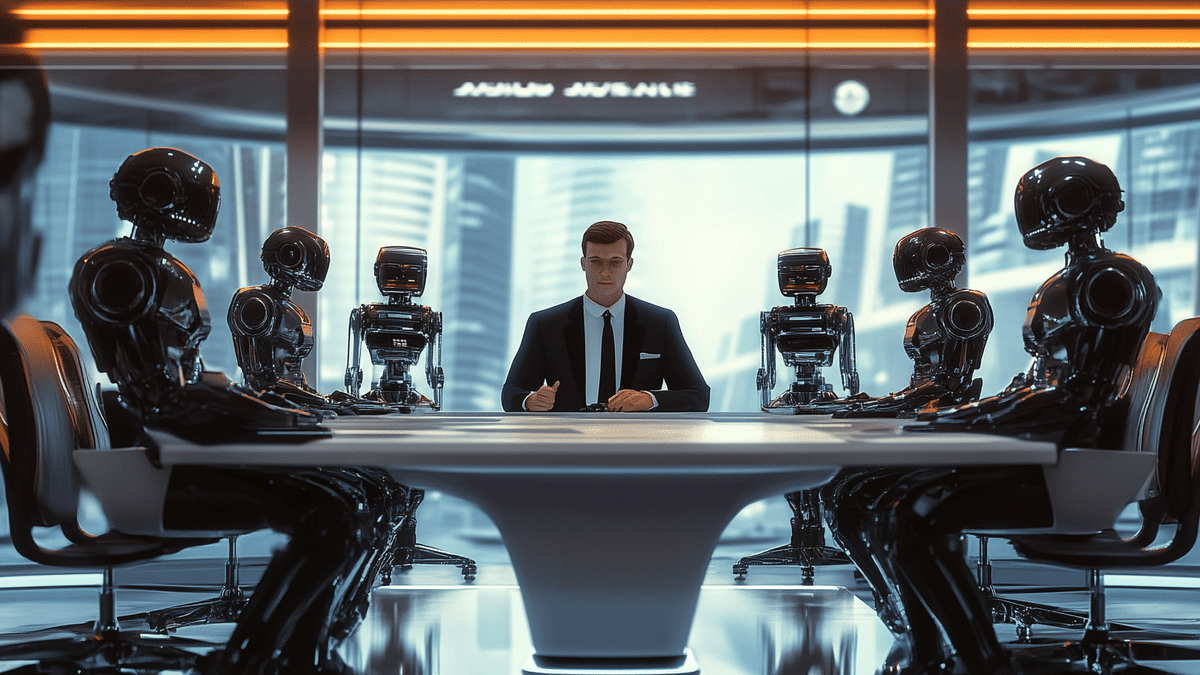
In July 2023, Suumit Shah, CEO of the Indian e-commerce platform Dukaan, made headlines by substituting 90% of his customer support employees with an AI-driven chatbot. This move aimed to cut operational costs while enhancing customer interactions. Since then, this shift has stirred discussions about automation’s impact on jobs, business efficiency, and ethical considerations.
How Dukaan’s Operations Transformed
The transition from a human-led support team to AI was carefully planned with the intent to reduce expenses and boost efficiency. Reactions varied widely online, with many expressing concerns about the human cost and the future landscape of employment as automation expands.
One year post-implementation, Suumit Shah revealed remarkable improvements in customer service. Response times dropped dramatically from an average of 1 minute 44 seconds to almost immediate replies. Additionally, issue resolution time shrank from 2 hours 13 minutes to just 3 minutes 12 seconds. These advancements enhanced customer satisfaction while significantly lowering Dukaan's expenses.

Despite these gains, the decision faced criticism for its abrupt layoffs and sparked debate over finding a fair balance between automation benefits and workforce welfare. Within the company, ethical concerns about this scale of AI adoption remain topics of discussion.
The Path Forward: Expanding Automation
Suumit Shah envisions this AI integration as only the beginning, planning to extend automation to other routine processes at Dukaan. The goal is to free up employees to concentrate on creative, strategic roles instead of repetitive tasks.
This strategy mirrors a growing pattern worldwide. A Goldman Sachs study from March 2023 projected AI could replace roughly 300 million full-time roles globally, while simultaneously generating novel job categories yet to emerge. However, challenges like reskilling displaced workers and establishing ethical AI norms are key hurdles to address.
The Role of Generative AI in Business
Technologies such as ChatGPT and MidJourney are revolutionizing industries by enabling automated content creation, report generation, and handling complex customer interactions. Despite concerns about workforce disruption, many companies are keen to adopt these AI tools.
Some organizations are proactively responding. For example, Forvis Mazars invested over one million euros to train its 5,000 employees in France on AI applications. Their focus is on eliminating routine work while enhancing productivity through collaboration between humans and machines—a notably different approach compared to Dukaan’s extensive staff replacement.
Looking Ahead: Balancing Innovation with Responsibility
Dukaan’s experience highlights both the benefits and complex issues linked to integrating AI into business. While operational performance can improve substantially, significant social and ethical questions arise.
As AI technology advances rapidly—often outpacing regulatory frameworks—the challenge lies in fostering innovation that remains ethically sound and socially responsible. Beyond cost savings, the key question is how human work will evolve, demanding thoughtful planning from businesses navigating this emerging era.
- Categories:
- Tech















0 comments
Sign in to Comment