
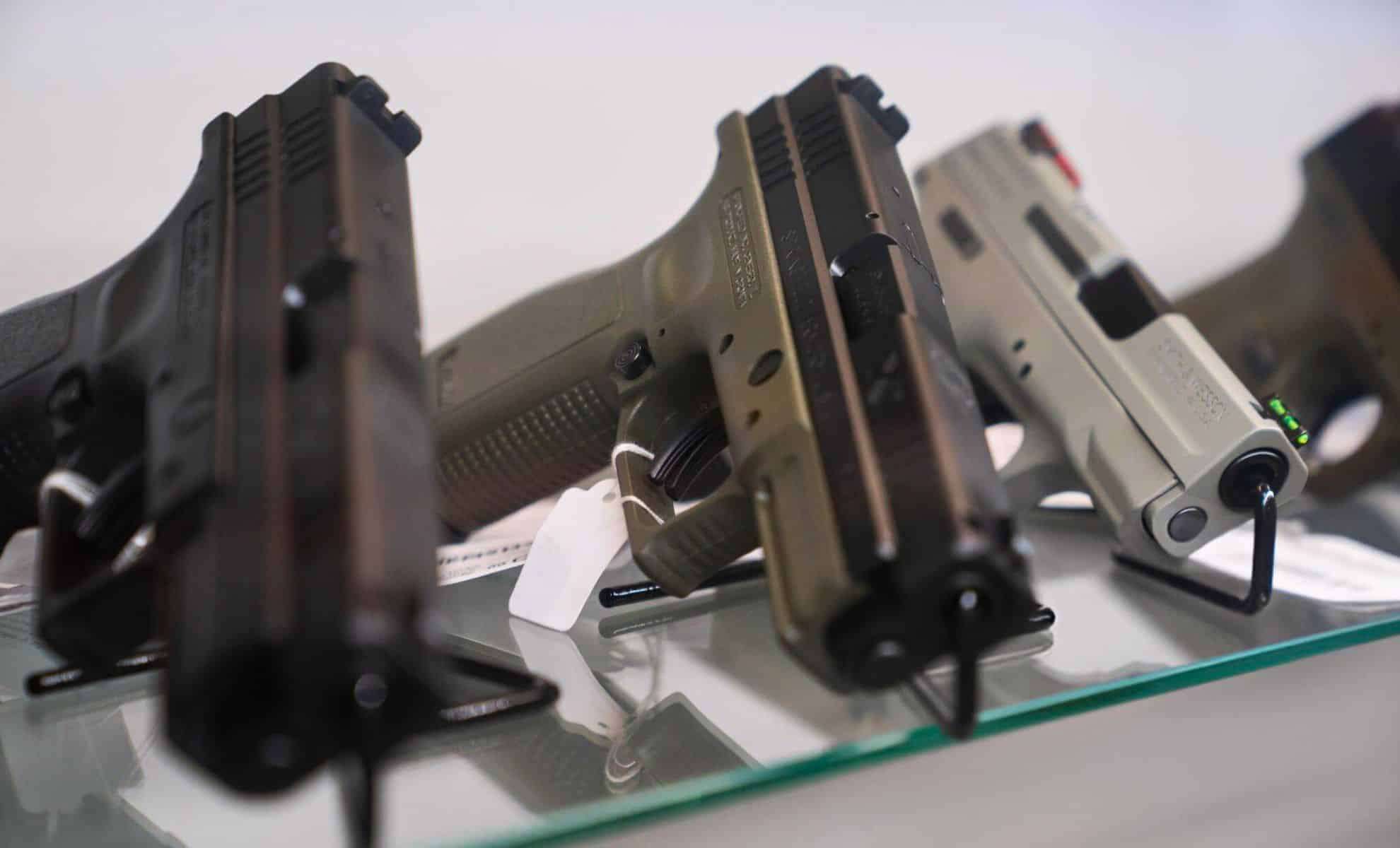
A disturbing incident in Manhattan has brought renewed attention to the dangers posed by ghost guns. On December 4, Brian Thompson, CEO of UnitedHealthcare, was fatally shot in New York City. The firearm involved was a ghost gun, an unregistered weapon that can be assembled privately. Authorities apprehended the suspect, Luigi Mangione, days later, discovering he possessed a ghost gun.
Defining the Ghost Gun
A ghost gun refers to a firearm lacking a serial number, which prevents law enforcement from tracing its origin. These guns are commonly built from kits bought online or parts created through 3D printing. While manufacturing such firearms at home is often not prohibited by law, their increasing use in crimes raises alarm for public safety. From 2016 to 2021, law enforcement agencies recovered over 45,000 ghost guns at crime scenes across the US.
Ghost guns evade standard gun registration protocols, as their assembly bypasses background checks and waiting periods. The necessary components are readily available, via internet sales or 3D printing, making them accessible to individuals barred from legal gun ownership.

How Accessible Are Ghost Guns?
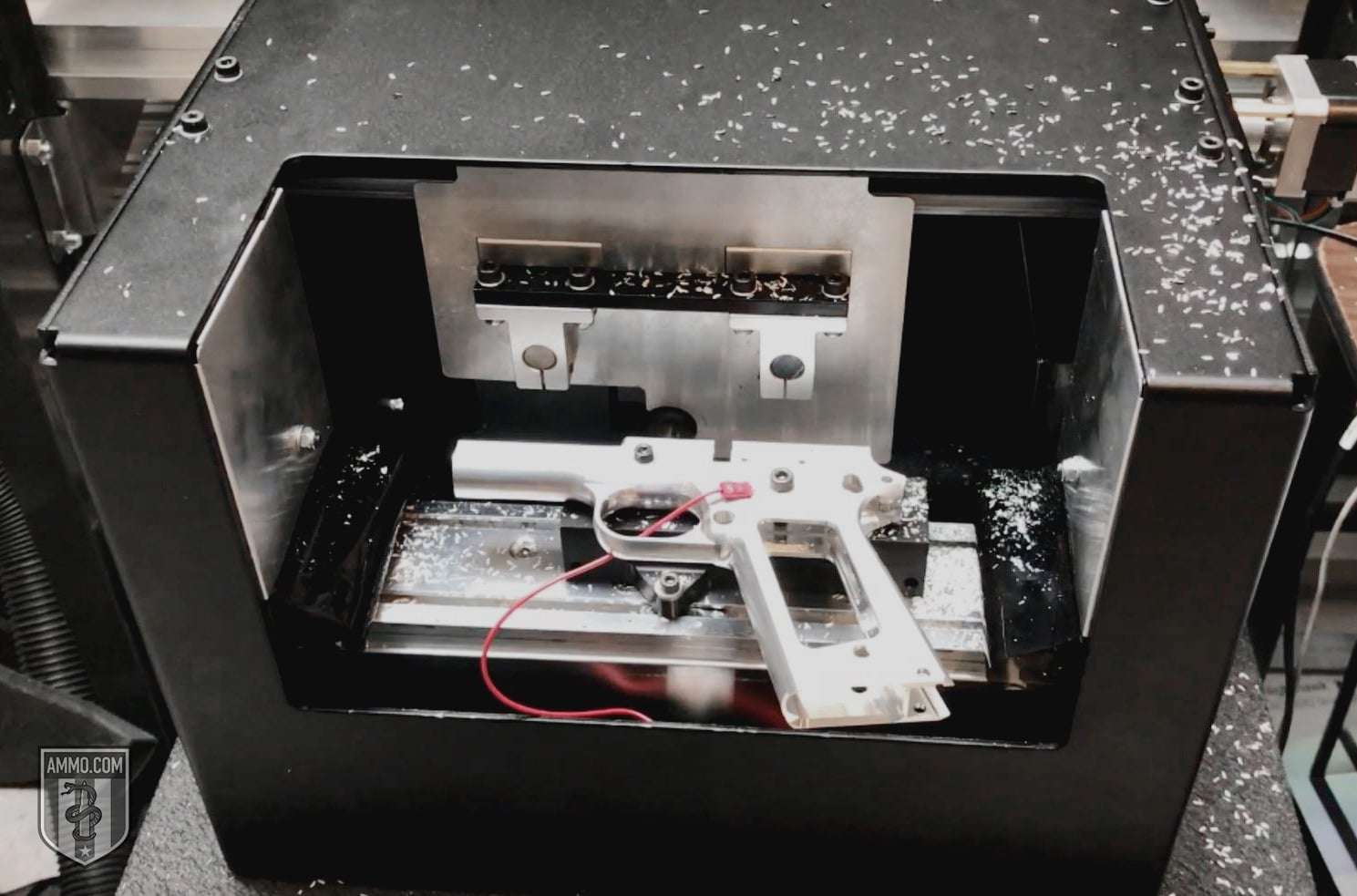
Creating a ghost gun is alarmingly straightforward due to accessible technology. With just a 3D printer or a purchase of a kit, one can construct a fully operating firearm rapidly. Kits are available for various weapons, including handguns and more potent assault rifles.
Building such firearms can take as little as half an hour and costs roughly $500 (about €475). Options range from semi-automatic pistols like the Glock 9mm to high-powered rifles such as the AR-15 and AK-47. Their power and ease of assembly make them a frequent choice in crimes and mass shootings.
The dropping prices of 3D printers have intensified this issue, enabling individuals to produce guns at home, sidestepping legal controls. This trend introduces a new challenge for firearm regulation and enforcement.
The Legal Challenges Surrounding Ghost Guns
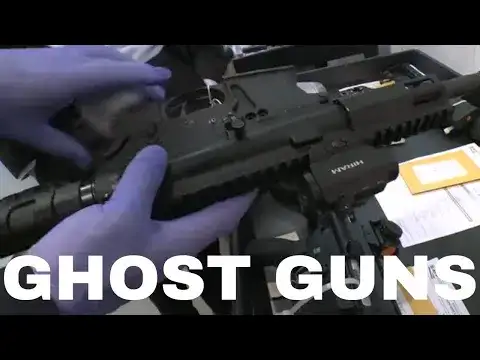
In many US states, manufacturing firearms for personal use without a license remains legal, provided the guns are not sold. This creates a legal gray zone around ghost guns crafted from kits or 3D-printed parts. Although some states, including New York, have imposed stringent regulations, there's currently no comprehensive federal law directly addressing ghost guns.
In states with tougher laws, enforcement is complicated by the lack of traceability in these firearms. Since ghost guns don't carry serial numbers, authorities find it challenging to track their origin, posing significant risks to public safety.
Law Enforcement Confronts an Emerging Threat
The proliferation of ghost guns presents a critical obstacle for law enforcement agencies nationwide. Without registration or serial numbers, tracing ownership or origin becomes near impossible. The rise in kit availability and 3D printing technology complicates efforts to prevent these untraceable weapons from falling into criminal hands.
This surge has stretched traditional gun control frameworks beyond their capacity since many ghost guns are privately assembled and escape standard oversight. Consequently, organizations like the Bureau of Alcohol, Tobacco, Firearms, and Explosives (ATF), alongside the NYPD, have intensified actions to intercept ghost guns. Nevertheless, fragmented legislation challenges comprehensive solutions.
John Miller, Deputy Commissioner of Intelligence and Counterterrorism at the NYPD, emphasized in 2022: “Today, people can sit at home, connect to their computer, and use a 3D printer to print out a machine gun capable of killing people. This is a problem.”
The Luigi Mangione Shooting Case
The arrest of 26-year-old Luigi Mangione from Altoona, Pennsylvania, highlights the peril posed by ghost guns. Taken into custody on December 9 at a McDonald’s in Altoona, Mangione was linked to the December 4 murder of UnitedHealthcare CEO Brian Thompson in Manhattan. Police seized a ghost gun and silencer from Mangione, both suspected to be 3D-printed.
Essential facts about the case:
- Suspect: Luigi Mangione, 26, arrested December 9, 2023, Altoona, Pennsylvania.
- Victim: Brian Thompson, UnitedHealthcare CEO, shot December 4, 2023, Manhattan.
- Weapon: Ghost gun, possibly 3D-printed, capable of firing 9mm ammunition.
- Silencer: Also recovered, likely 3D-printed.
Investigations are ongoing, but this incident starkly highlights the dangers posed by untraceable firearms. Mangione’s motivations remain unclear, but the use of a ghost gun exposes how easily individuals can bypass conventional gun laws and obtain lethal weapons. Furthermore, the incorporation of a silencer, potentially 3D-printed as well, complicates regulation efforts since such accessories can now be produced and used without registration.

















0 comments
Sign in to Comment