

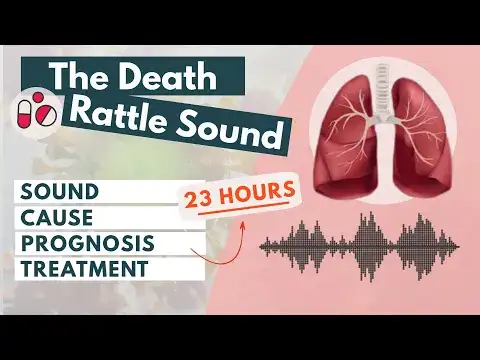
Hearing a strange, unsettling noise during a loved one's final hours can be deeply disturbing. Known as the "death rattle," this sound often indicates the person may have less than a day left to live. Despite its eerie nature, it is a common and natural occurrence as life draws to a close.
Understanding the “Death Rattle”
Though it may seem frightening, the death rattle is caused by changes in breathing accompanied by the accumulation of secretions in the throat. This produces a distinctive wet, rattling sound. Importantly, the individual does not experience discomfort from this noise.
Hospice Nurse Julie, who specializes in end-of-life care, describes the death rattle as merely “a buildup of saliva at the back of the throat that sounds worse than it is.”

Why Does This Sound Occur?
The death rattle typically appears in someone’s final stage of life, often within 24 hours before death. It results from an increase in secretions within the respiratory tract combined with the loss of the reflex to swallow or clear the throat.
As breathing becomes shallow or irregular, fluids like saliva and mucus collect in the throat since the body can no longer expel them effectively. This leads to the characteristic noisy, crackling sound known as the death rattle.

What Does It Actually Sound Like?
The noise often starts as a soft moan, quickly followed by louder gurgling or snoring sounds. This unsettling auditory signal occurs because saliva and mucus aren't being cleared from the airway. For those nearby, it can be distressing, but it does not indicate pain for the person. In fact, most individuals survive for up to 25 hours after this sound begins. Research shows that people receiving hospice care may experience the death rattle longer than those in hospital settings.
Is There Any Way to Manage the Death Rattle?
While the death rattle is a normal component of the dying process, it can't be entirely prevented. Healthcare providers aim to minimize the noise and make the patient as comfortable as possible by:
- Repositioning the person on their side to encourage drainage from the throat.
- Elevating the head to assist fluid clearance.
- Moistening the mouth with gentle swabs to relieve dryness.
- Using suction to remove excessive saliva or mucus.
- Limiting fluid intake to decrease secretions.
- Administering medications that help manage secretions.
None of these interventions completely eradicate the death rattle but may lessen its intensity. As Julie explains, “fever is also common because the body loses control over core temperature near death, causing fluctuations.” The essential point is that the person does not experience pain despite the disturbing noise.
Why It Can’t Be Stopped—and What That Means
Once the death rattle begins, it cannot be reversed. However, there’s no need to panic. Medical teams are trained to ease the noise and provide comfort to both the patient and their loved ones. Attempts to drain secretions or suction airways might reduce sound but won’t completely prevent it. The death rattle is a natural and nearly universal sign that death is approaching, part of the body's gradual shutdown. Recognizing it as a normal, if unsettling, phase can help families cope during this difficult time.












0 comments
Sign in to Comment