
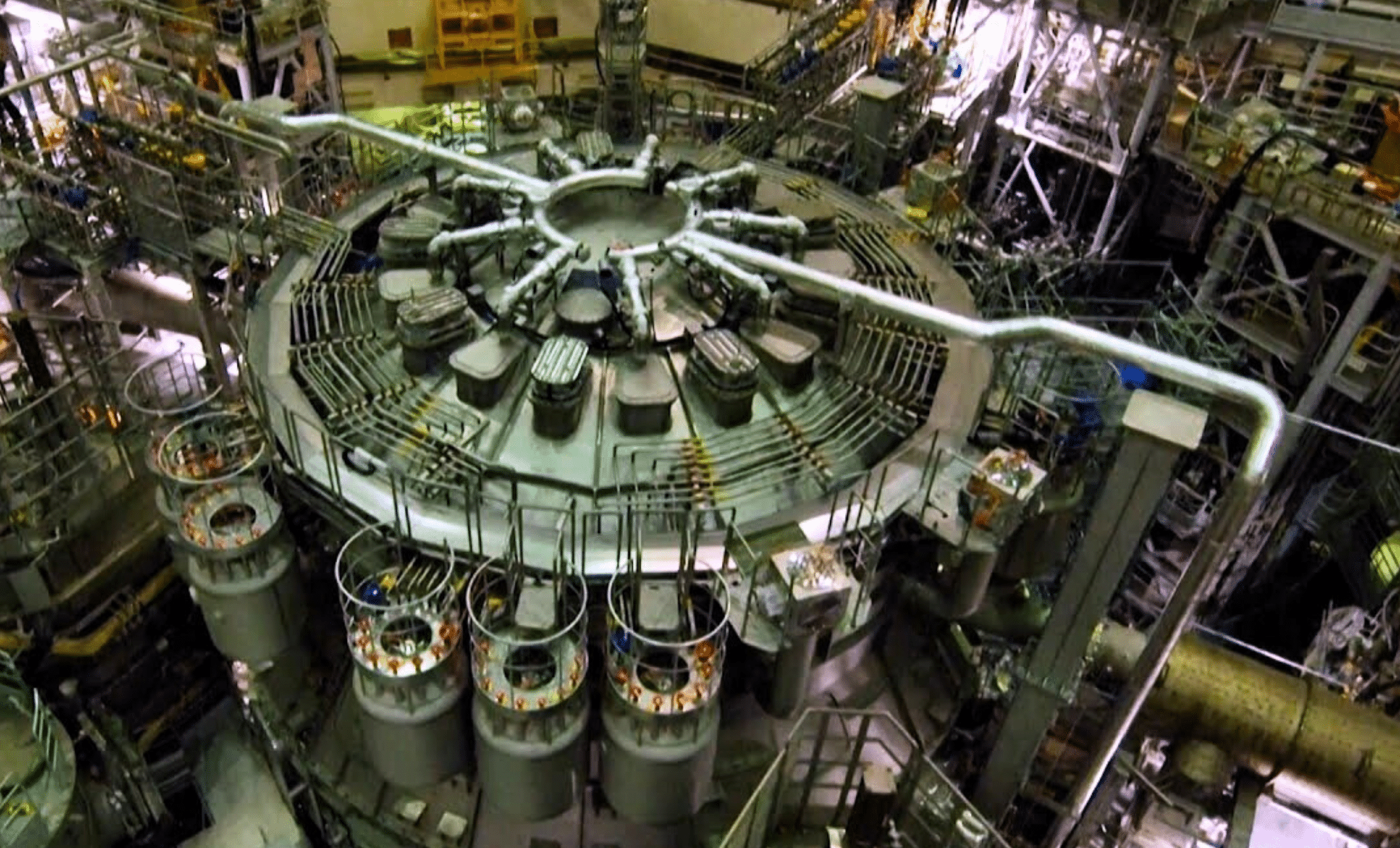
Deep in the Gobi Desert, China has reached a milestone in nuclear technology that could redefine global energy production. Chinese researchers successfully ran a thorium-fueled molten salt reactor continuously while replenishing its fuel without any shutdowns—an unprecedented feat worldwide.
Reawakening an Overlooked Nuclear Innovation
The molten salt reactor concept dates back to the 1960s, pioneered by scientists at the Oak Ridge National Laboratory in the U.S., but was later sidelined in favor of traditional pressurized water reactors. Since 2011, China has quietly been developing this technology with renewed vigor.
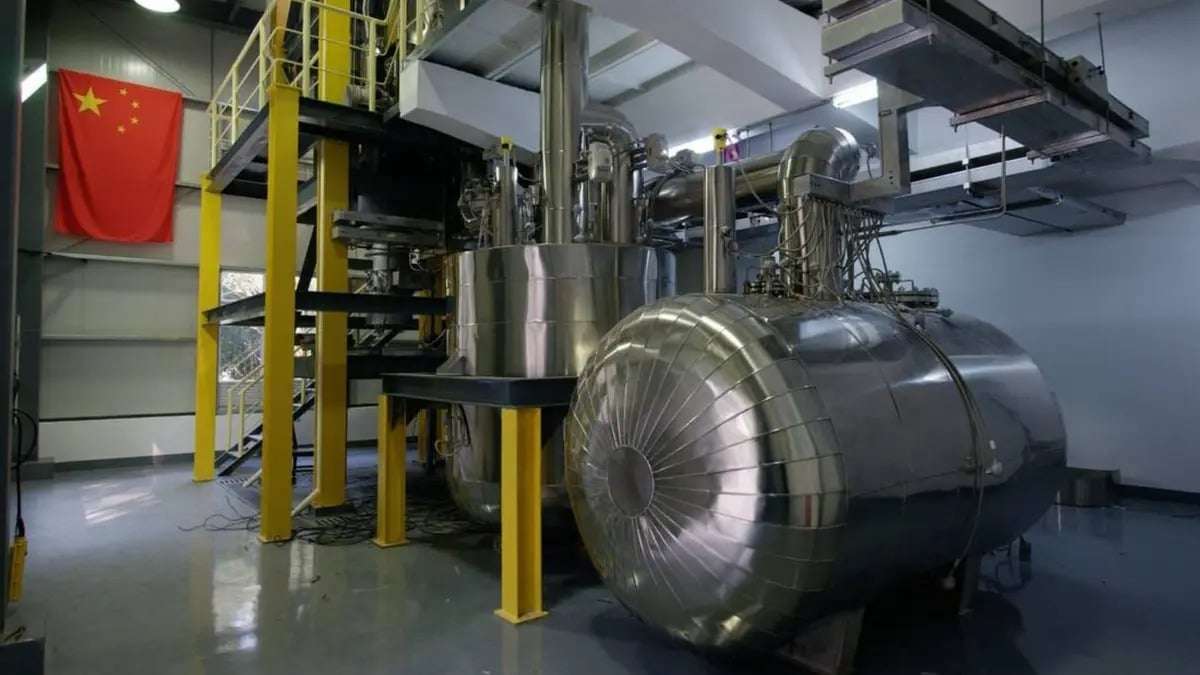
Leveraging declassified research from the U.S., engineers at the Shanghai Institute of Applied Physics (SINAP) began building their experimental thorium reactor in 2018. The project team grew substantially from just a handful of scientists to over 400, dedicating long hours, including holidays, to meet ambitious goals.

By June 2024, the prototype operated at full power, and by October, the team pulled off a landmark achievement: reloading fuel while the reactor stayed online. Project leader Xu Hongjie hailed this as pushing the boundaries of nuclear innovation globally.
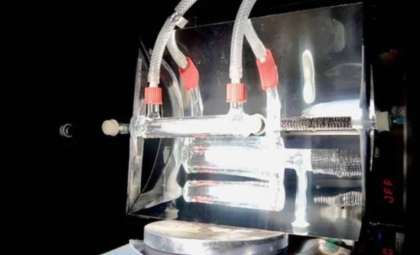
The reactor utilizes molten fluoride salts to dissolve the thorium fuel, serving dual roles as both coolant and medium for fissile material circulation. This enables operation at temperatures above 700°C without the need for high-pressure containment typical of conventional reactors.
Thorium-232 serves as the fertile material, converting into fissile uranium-233 in a process that offers a distinct nuclear cycle with reduced proliferation risks and considerably less long-lasting radioactive waste.
An Abundant and Safer Substitute for Uranium
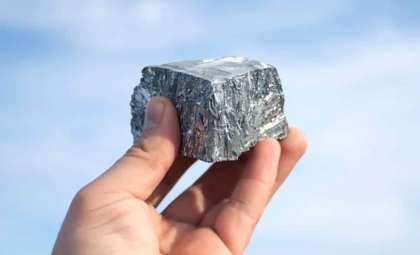
Thorium naturally occurs in quantities three to four times greater than those of uranium worldwide, making it a plentiful resource. It also poses a lower risk for weaponization. The reactor generates minimal plutonium-239, a key nuclear weapons material, and the resulting uranium-233 is far harder to divert for military use. Chinese experts report the plutonium content in thorium reactor waste is “much lower” compared to conventional nuclear reactors.
Safety enhancements include passive systems, such as a “frozen salt plug” at the reactor base that melts automatically during overheating or shutdown, funneling molten radioactive salt into a secure secondary cooling reservoir.
This gravity-driven safety mechanism prevents meltdowns without external control. Operating at ambient pressure with shorter-lived waste and abundant fuel supplies gives thorium technology an edge for countries seeking carbon-neutral energy solutions.
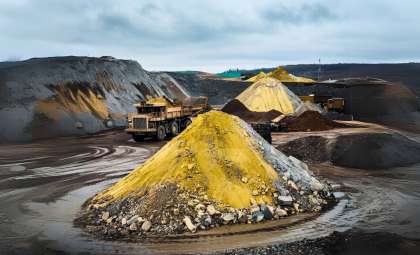
Notably, a single thorium deposit in Inner Mongolia could fulfill China’s electricity demand for tens of thousands of years, emphasizing the fuel’s long-term potential.
Expanding Horizons: Hydrogen and Maritime Power
China’s initial 2-megawatt reactor marks only the start. A larger 10-megawatt demonstration plant is already under construction near Wuwei in Gansu Province, targeting production of both electricity and hydrogen fuel. Expected to be operational by 2030, this facility aims to generate 60 megawatts thermal, supporting China’s vision for a desert-based clean energy hub.
Beyond electricity, the reactor’s high operating temperatures are well-suited for thermochemical hydrogen generation, potentially revolutionizing the economics of green hydrogen. There are also preliminary proposals to power cargo ships with thorium reactors, offering long operational periods between refueling and lowering emissions in maritime transport.
Looking ahead, China plans to develop 100-megawatt thorium reactors by the early 2030s, pursuing a measured scaling approach that balances innovation and safety. The successful online refueling breakthrough puts China at the forefront of making thorium molten salt reactors commercially feasible.
A Deliberate Journey, Not an Overnight Triumph
Despite the breakthrough, Chinese experts emphasize the complexity involved. As noted by Guangming Daily, there are “no quick wins” in this area. Challenges like the corrosive effects of molten salts require specialized alloys such as Hastelloy-N to resist chemical and radiation damage over long service lives under extreme conditions.
The current 2MW reactor serves as a materials testing platform for corrosion-resistant graphite and metals, crucial steps before upscaling. Another hurdle is thorium’s role as a fertile rather than fissile element, necessitating an initial load of fissile uranium-235 or plutonium-239 to initiate the reaction until sufficient uranium-233 breeding occurs.
Online chemical processing is also critical, tasked with removing fission byproducts and maintaining salt chemistry balance, distinguishing thorium reactors from conventional, solid-fueled systems and introducing unique operational complexities.
Waste management remains a consideration as well. Though thorium reactors produce less long-lived waste, they generate a complex array of fission products that require careful handling. China plans to safely isolate this waste underground in the Gobi Desert, leveraging the region’s stable geology and dry climate.
Still, Chinese researchers remain optimistic. “The United States left their findings open to the world,” Xu Hongjie remarked, alluding to the declassified US research. “We have been that successor.”
- Categories:
- News










0 comments
Sign in to Comment