
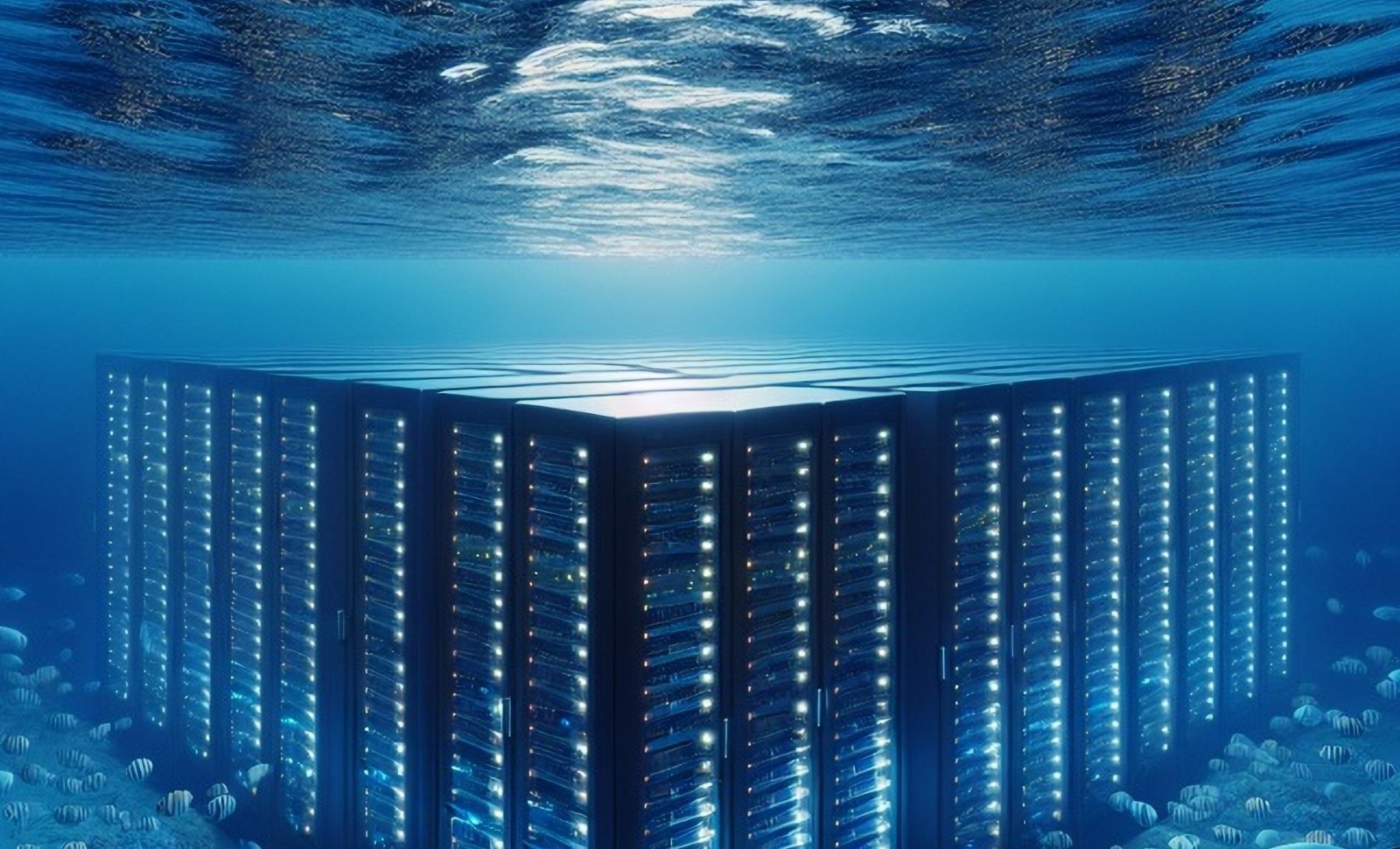
China has embraced an innovative approach to address one of the most pressing energy challenges in AI infrastructure: underwater data centers. By utilizing the ocean’s naturally cool environment, these submerged facilities aim to efficiently dissipate the heat produced by high-performance AI servers.
As artificial intelligence rapidly advances, the need for extensive computing capacity intensifies, putting a heavy burden on conventional data centers. These centers handle enormous volumes of data vital to AI functions but consume enormous amounts of power, especially for cooling purposes.
Cooling alone can account for nearly 40% of a data center’s total energy consumption, making sustainable solutions imperative. To tackle this, China is tapping into the ocean’s cold waters, hoping to dramatically lower energy use and reduce the carbon footprint linked to AI data processing.

How Underwater Data Centers Operate
According to ZME Science, the first underwater facility off Hainan’s coast exploits seawater’s low temperatures to cool server equipment by circulating the cold water through radiators attached to the servers, efficiently absorbing the heat they emit. This technique significantly lowers the power needed for cooling, which is typically the most energy-intensive process in data centers. By capitalizing on this natural cooling, China eliminates the need for freshwater and conventional electrical grid inputs for its submerged installations.
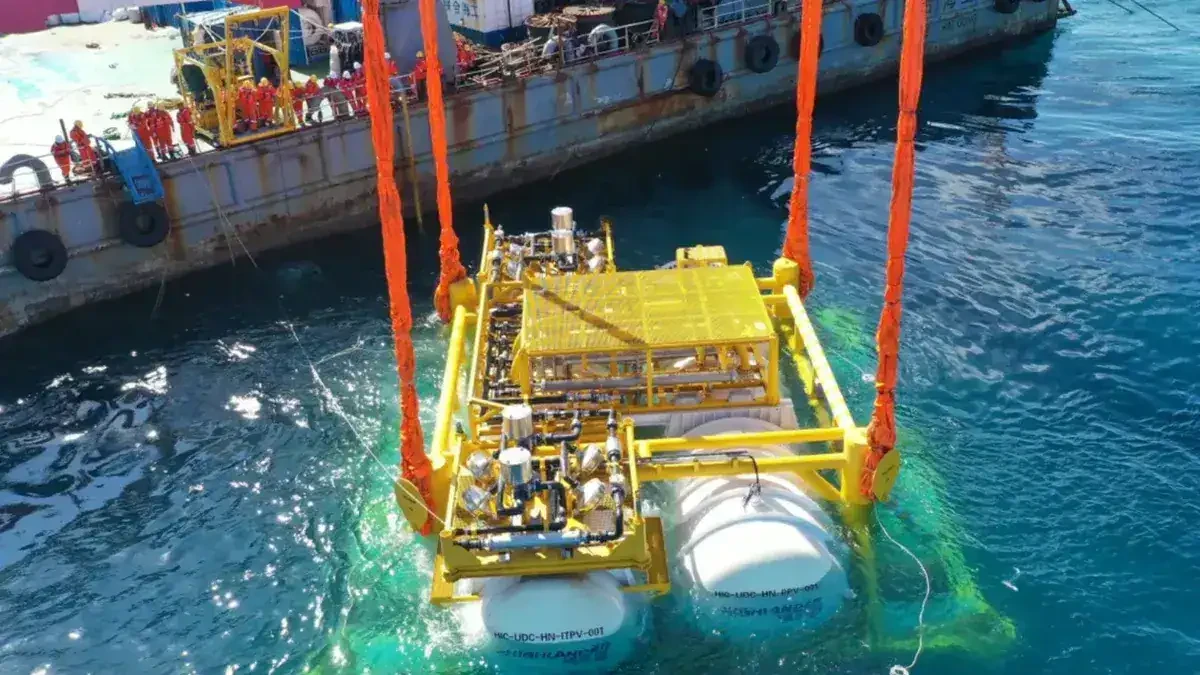
The Shanghai initiative further integrates offshore wind power to supplement energy supply, underscoring the goal of achieving sustainability. Each modular container, or “cabin-pod,” weighs approximately 1,400 tons and can accommodate 500 servers. These units are designed for easy replacement, allowing faulty pods to be retrieved and swapped without complex on-site repairs.

Challenges and Reliability of Submerged Data Infrastructure
Maintaining underwater data centers poses unique difficulties since repairs cannot be conducted directly at sea. The current plan involves quickly exchanging any malfunctioning units with functioning replacements. The sealed cabin-pods, filled with inert nitrogen, guard against issues like dust, humidity, and human error, significantly enhancing reliability over land-based centers.
A 2020 Microsoft study found that underwater data centers can be eight times more dependable than traditional facilities. Despite the operational and financial complexities, China is banking on these energy efficiencies to outweigh maintenance demands, advancing toward broader deployments.
Scaling Up China’s Submarine Data Center Network
China’s $226 million commitment to the Shanghai underwater data center is just the start. The existing Hainan installation is expanding with plans for 100 cabin-pods. The prototype Shanghai facility, with 24 megawatts capacity, is intended as a model for future larger centers potentially scaling up to 500 megawatts. This ambitious growth plan aims to secure China’s leadership in AI infrastructure by embracing a bold, albeit challenging, strategy.
Microsoft previously explored similar underwater data centers through its Project Natick, which was discontinued in 2024 due to high logistical costs and operational hurdles. In contrast, China’s ongoing investment highlights its willingness to confront these obstacles. If successful, these submerged centers could reshape the global data storage landscape by blending breakthrough technology with a greener energy model, potentially setting new international standards.
China on Tuesday officially launched the world's first commercial underwater data center (UDC) project powered by an offshore wind farm in Shanghai's coastal waters near the Lin-gang Special Area of China (Shanghai) Pilot Free Trade Zone, taking another bold step toward green… pic.twitter.com/mjEXkDMNIs
— People's Daily, China (@PDChina) June 10, 2025
- Categories:
- News










0 comments
Sign in to Comment