
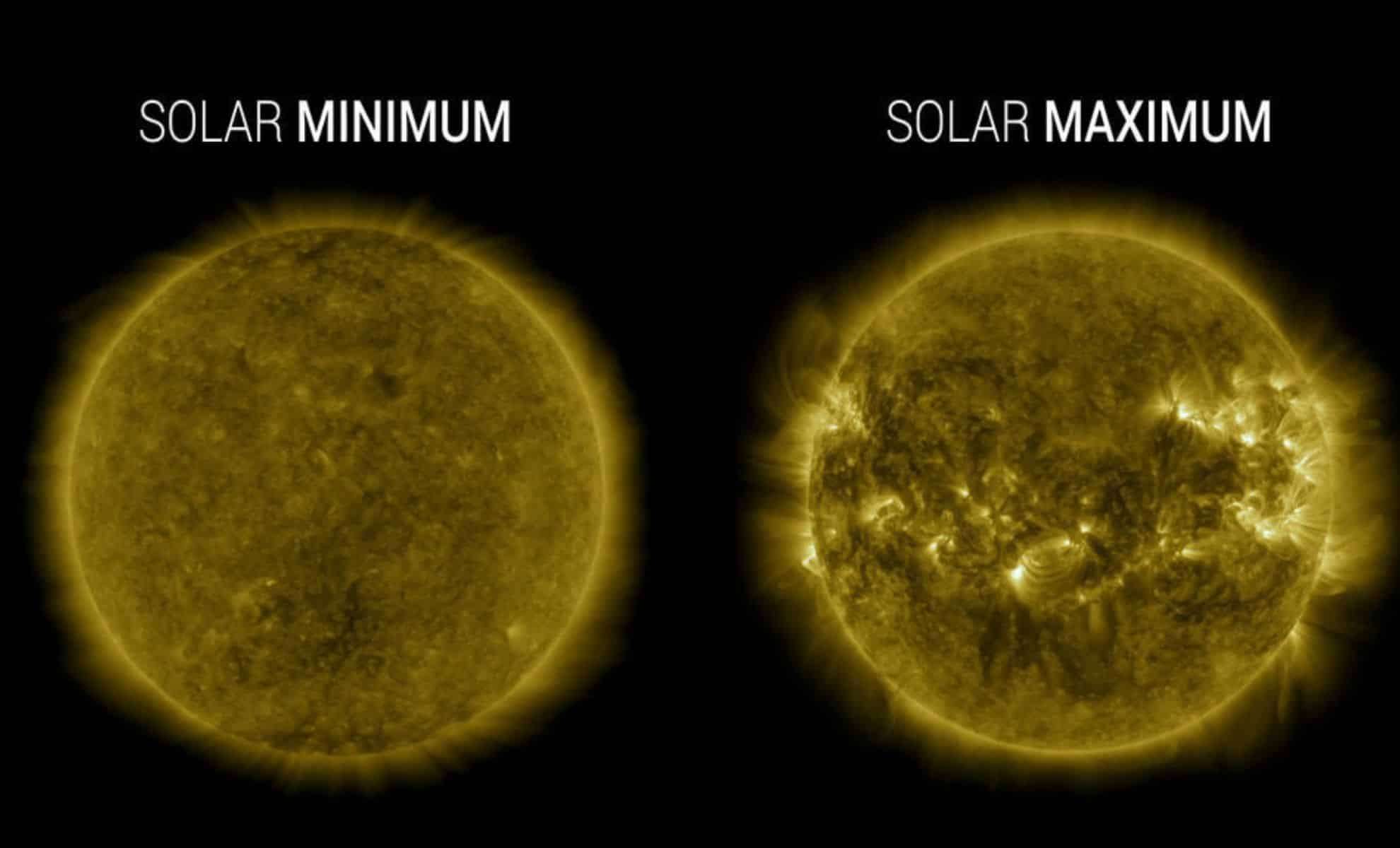
The Sun has now arrived at the peak stage of its 11-year solar cycle, referred to as the solar maximum. This phase is marked by a surge in solar activity, resulting in stronger geomagnetic storms and more vivid auroral displays.
Experts from NASA and NOAA indicate that this active interval may extend for over a year, with frequent space weather effects affecting Earth and nearby space assets.
Understanding the Solar Maximum
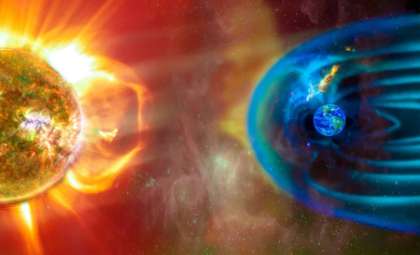
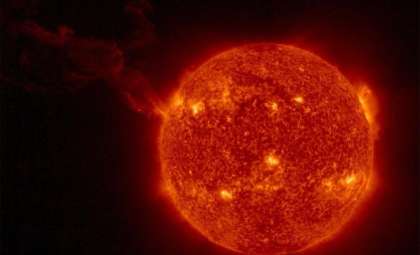
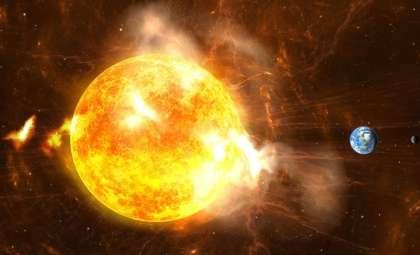
Approximately every 11 years, the Sun cycles between phases of minimal and heightened magnetic activity, known as solar minimum and solar maximum. During solar maximum, the Sun flips its magnetic poles, catalyzing increased occurrences of sunspots, solar flares, and coronal mass ejections (CMEs). These eruptions release bursts of solar energy and charged particles traveling throughout the solar system, some of which impact Earth’s magnetic environment, igniting geomagnetic storms.

As solar activity escalates, magnetically active sunspots—cooler regions on the solar surface—grow in number and intensity. Lisa Upton, co-chair of the Solar Cycle 25 Prediction Panel, explains, “We anticipate remaining in this maximum stage for at least six months to a year, possibly longer.” This extended high-activity interval presents a unique chance for researchers to examine solar behavior, while sky observers can enjoy frequent, brilliant auroral shows.
Effects of Geomagnetic Storms on Earth
The most striking visual outcome of solar maximum is the surge in Northern and Southern Lights, or auroras, created when solar particles interact with Earth's magnetic shield. These eye-catching lights are expected to intensify, with powerful events like the upcoming G5 geomagnetic storm forecast for May 2024, matching some of the strongest storms seen in recent history.
While mesmerizing, these geomagnetic disturbances can pose challenges to technology. Solar flares and CMEs have the potential to disrupt satellite operations, power transmission networks, and communication channels, especially as the solar maximum gains momentum. Jamie Favors, Director of NASA’s Space Weather Program, notes, “This increased solar activity offers a valuable opportunity to deepen our understanding of the Sun but also brings tangible impacts on Earth and throughout our solar neighborhood.”
One notable event in Solar Cycle 25 was the powerful X9 solar flare recorded in October 2024—the most intense flare so far in this cycle. Such intense radiation bursts can cause brief radio interruptions and affect GPS reliability.
Projections for Solar Cycle 25
Launched in 2019, Solar Cycle 25 is anticipated to be shorter than average. The Solar Cycle Prediction Panel, monitoring solar phenomena since 1989, forecasts that the solar maximum could culminate between now and early 2025. However, determining the precise peak remains challenging, as scientists confirm it only after a sustained decline in activity is observed.
Elsayed Talaat, Director of NOAA’s Space Weather Operations, emphasized, “Although the Sun is in the solar maximum phase, the exact month of peak solar output will only become evident months or even years later.” Despite this uncertainty, the solar maximum is likely to persist for about another year, enabling more significant space weather events to occur.
Even as the Sun transitions back to solar minimum, intense geomagnetic storms may continue. The descending phase of the solar cycle often generates powerful geomagnetic disturbances, extending the period of bright auroras and solar impacts.
Mitigating Solar Storm Risks
NASA and NOAA are actively tracking solar activity to safeguard critical infrastructure from solar storm impacts. Systems like satellites, astronauts aboard the International Space Station, and Earth-based power grids are vulnerable during intense solar phases. The upcoming close approach of NASA’s Parker Solar Probe to the Sun in December 2024 aims to collect vital data on the solar wind and magnetic fields, boosting our space weather forecasting capabilities.
This mission, along with other initiatives, will aid in predicting solar storms and minimizing their effects. Bill Murtagh, Program Coordinator at NOAA’s Space Weather Prediction Center, remarked, “Future cycles will produce many more geomagnetic storms, causing auroras visible much farther south than usual.”
With solar activity soaring to a 23-year peak, the next few years promise stunning auroras and impactful space weather phenomena, presenting both scientific opportunities and challenges for modern society.
- Categories:
- Astronomy ,
- News ,
- Science ,
- Nasa






0 comments
Sign in to Comment