
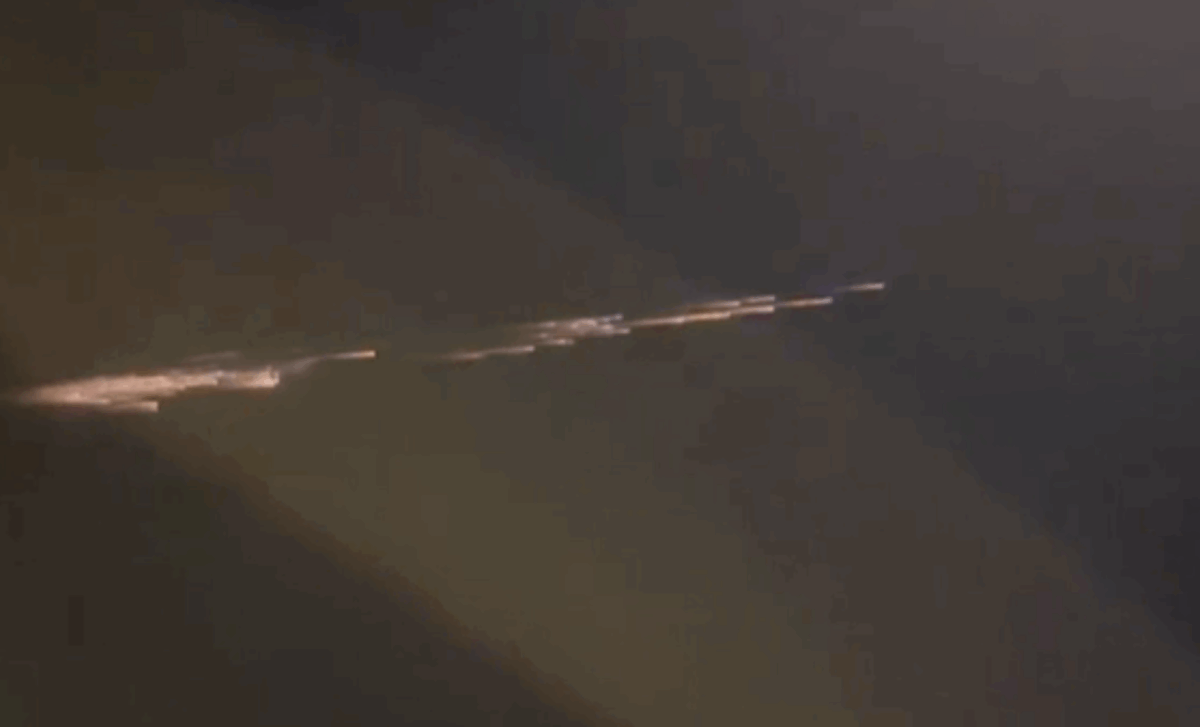
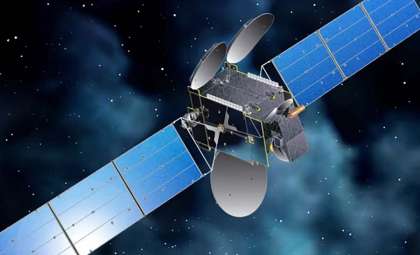
In the early morning hours of October 16, 2025, a sudden explosion illuminated the sky over the Canary Islands, accompanied by tremors felt throughout the area. Initially mysterious, the cause was soon traced back to the atmospheric reentry of the Chinese satellite XYJ-7. This breakup produced a powerful shockwave akin to the 2013 Chelyabinsk meteor event. The Instituto Volcanológico de Canarias, which manages the Canary Islands Seismic Network, was crucial in confirming the satellite’s descent and shedding light on the event.
XYJ-7’s Dramatic Descent Over the Canary Islands
On October 16, residents and researchers witnessed a stunning aerial display over the Canary Islands. Initially mistaken for a meteor, the object was later identified as an exploding satellite. The intense fireball and subsequent seismic signals triggered multiple monitoring systems, though the exact nature of the event was confirmed only after detailed analysis.
By examining seismic activity, the Instituto Volcanológico de Canarias determined the vibrations originated above Tenerife. Their seismic network verified that the shockwave resulted from the reentry of the Chinese satellite XYJ-7. Unlike natural meteoroids entering Earth’s atmosphere at extremely high velocity, space debris objects such as XYJ-7 descend at supersonic speeds that are slower, producing distinct seismic footprints.

Understanding Shockwaves and Sonic Booms Triggered by Reentry
The Canary Islands seismic stations recorded detailed data on the shockwave generated during the XYJ-7 reentry. Such shockwaves are rapid pressure pulses traveling faster than sound, capable of causing ground vibrations similar to minor earthquakes. This shockwave traveled through the atmosphere, shaking the earth and activating seismic alerts.
A sonic boom, linked to objects exceeding sound speed, manifests as a sudden pressure spike. This phenomenon can rattle windows and, in more severe cases, lead to glass breakage. Although the infrasound from this event was inaudible to humans, sensitive instruments detected it, underscoring the potential impact of large space debris reentries on Earth’s surface.
The magnitude of these pressure waves allowed detection across the archipelago and beyond. While uncommon, such events highlight the delicate interaction between orbiting debris and our atmosphere.
Tracking Falling Space Debris: Scientific Methods and Challenges
Monitoring space debris as it falls through the atmosphere is a challenging process. Man-made objects orbit Earth for years before their trajectories decay due to atmospheric resistance, ultimately causing reentry. Unlike unpredictable natural meteoroids, space debris like XYJ-7 can be forecasted, enabling tracking and risk management.
Combining video recordings, seismic analyses, and orbital data enabled scientists to determine XYJ-7’s path and reentry timing. This incident highlights the value of international cooperation in space debris monitoring. Global space agencies depend on shared databases, complemented by local observation stations.
Citizen Science and Professional Networks Collaborate to Decode the Event
As the event occurred, social media platforms filled with videos from Canary Islands residents capturing the vivid fireball. These citizen-submitted clips offered valuable real-time perspectives. When paired with scientific sensors and seismic data, they assisted researchers in reconstructing the XYJ-7 satellite’s trajectory.
The partnership between the public and scientists was instrumental in clarifying the cause of the explosion. This satellite reentry was more than a scientific incident—it was an opportunity for citizens to contribute meaningful data. Such collaboration is increasingly vital as space debris becomes a growing concern.
This episode also emphasizes the role of advanced technology in predicting and managing risks linked to reentering satellites. While major space debris impacts are infrequent, they serve as important reminders of the close relationship between Earth’s atmosphere and orbiting objects.
Sonic Booms and Public Safety: Responding to Space Debris Events
Though most space debris reentries pass without incident, the XYJ-7 episode highlights the hazards posed by shockwaves and sonic booms. Effective public safety protocols are vital, particularly in urban areas. The rapid flash followed by a strong pressure wave can cause distress, with the potential for broken glass and injury near windows.
Authorities recommend that if you observe a bright light in the sky succeeded by a quiet moment, it’s safest to avoid windows and wait before approaching. The subsequent sonic boom might cause window damage near the impact zone. Raising awareness and educating communities can reduce risks linked to space debris reentries.
- Categories:
- Space







0 comments
Sign in to Comment