
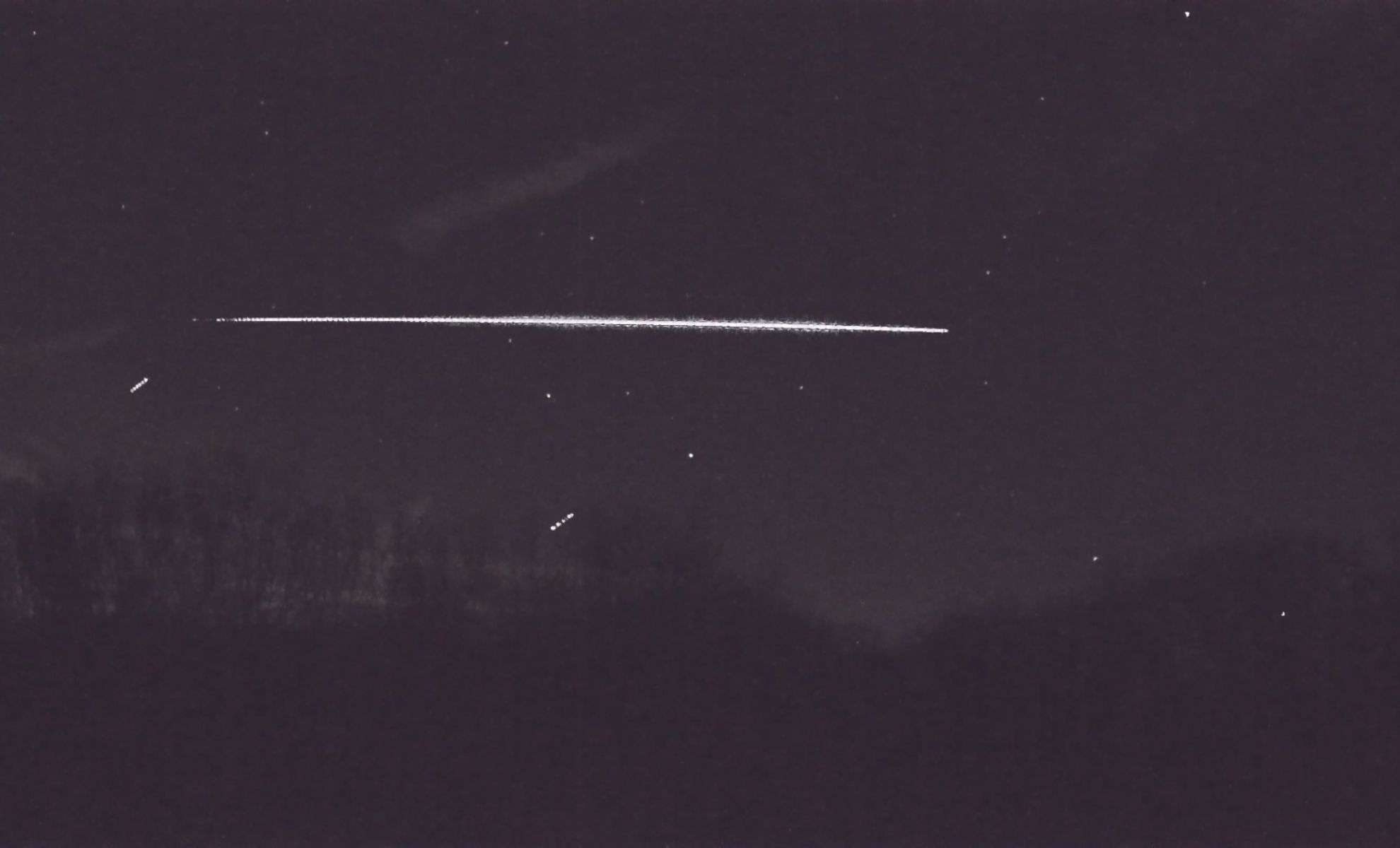
What seemed like two meteors blazing side by side over two consecutive nights was actually an optical illusion caused by the camera setup, as recent footage from Connecticut reveals.
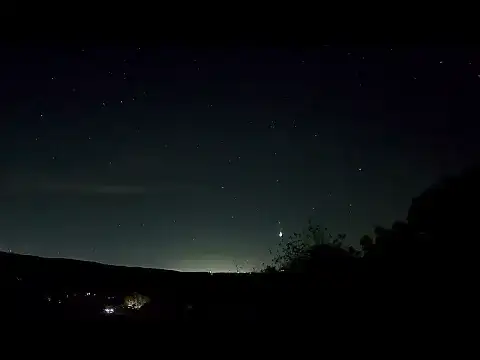
On October 16 and 17, sky-monitoring cameras in North Branford, Connecticut captured flashes of bright green fireballs lighting up the sky. Each video showed a second glowing object trailing the primary meteor in perfect synchronization, igniting simultaneously. This repeated scenario sparked excitement among skywatchers, leading some to believe these were rare double meteor events.
The videos quickly gained traction on social media and astronomy forums. However, according to Space.com, the cause is a fascinating technical quirk rather than an extraordinary celestial occurrence: the reflected image of a single meteor bounced off the camera's protective dome.

Identical Cameras, Identical Optical Effect
Both meteor sightings were captured by comparable automated observation devices. These cameras typically reside beneath transparent acrylic domes designed to protect from weather and prevent fogging. Under particular lighting conditions, the domes can produce reflections that mimic secondary bright objects.
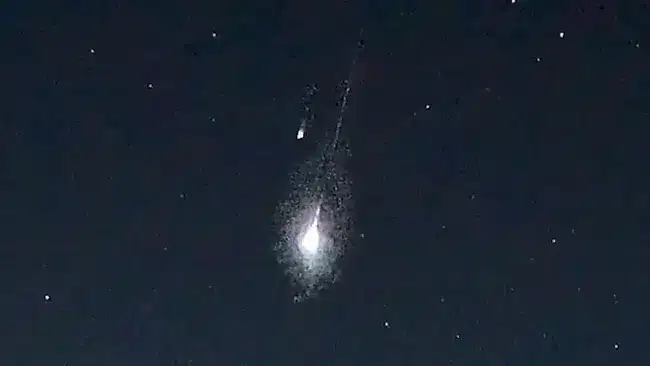
Fireball specialist Robert Lunsford from the American Meteor Society states this footage perfectly illustrates such an effect. In his discussion with Space.com, Lunsford explained that these types of cameras are known for producing duplicate images of bright meteors. The reflections generate a ghost-like second fireball mirroring the original, giving the illusion of synchronized meteors.
Lunsford emphasized a crucial point: the secondary fireball maintains the exact same relative position beside the primary meteor in both videos. He concluded that “this alignment is likely responsible for the doubled appearances,” confirming the visual phenomenon was caused by the dome's reflection rather than a true astronomical event.
Consecutive Sightings Reinforced the Misleading View
The illusion was intensified due to its occurrence on back-to-back evenings. On October 16, the first bright green fireball appeared, seemingly alongside its mirror image. Then on October 17, a virtually identical fireball showed up in separate footage, again with a matching companion visible.
This repetition gave viewers the impression of a celestial pattern, fueling online buzz. However, these cameras belonged to the same system and design, which explains why the “double fireball” reflection effect appeared twice under nearly identical conditions. This consistency, rather than variability, allowed experts to pinpoint the source of the phenomenon.
How Technology Can Create Cosmic Illusions
This case serves as a reminder that even sophisticated observational gear can produce misleading visuals. Reflections within protective domes, lens distortions, or coatings can all affect what the camera records. In this instance, what looked like a rare celestial spectacle was light bouncing internally within the dome.
As Space.com highlights, illusions of this sort are well-known among meteor observers. Limitations in equipment and environmental factors often produce effects resembling genuine phenomena, including phantom duplicates and false flare-ups. For astronomy enthusiasts and astrophotographers, grasping how their instruments interact with light is vital for reliable interpretation of their captures.
- Categories:
- News






0 comments
Sign in to Comment