
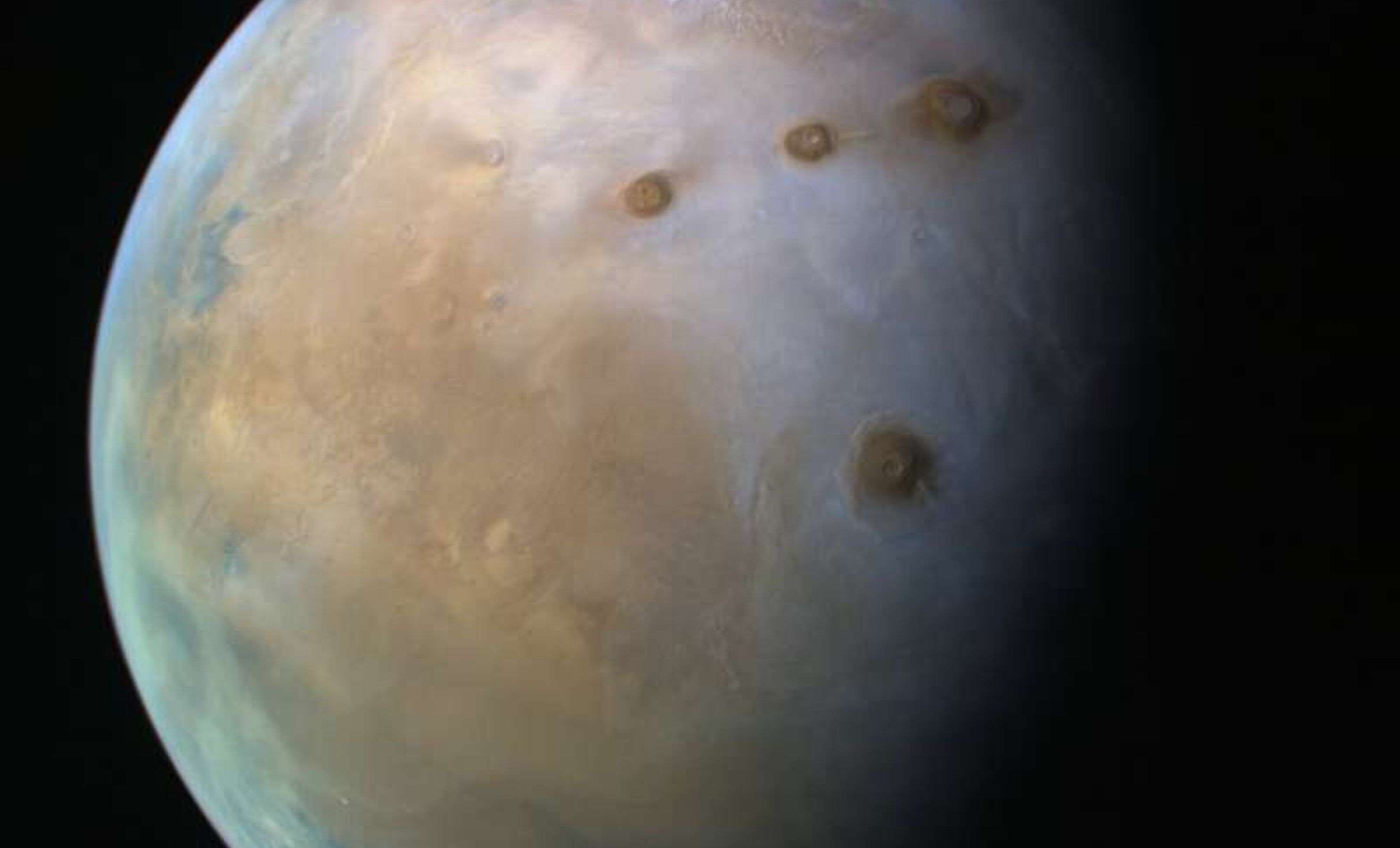
Astrobiologists at NYU Abu Dhabi have unveiled compelling evidence suggesting that life may exist below the surface of Mars and other planetary bodies, powered by energetic cosmic rays originating beyond our solar system.
The Role of Cosmic Rays in Sustaining Life
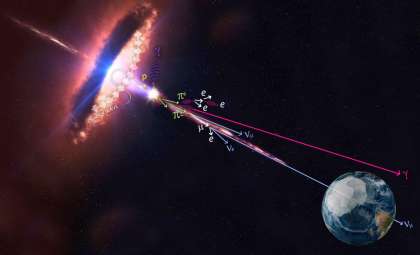
Central to this remarkable finding is the phenomenon of radiolysis, where cosmic rays interact with water molecules, breaking them apart and releasing energy. This process could provide the vital energy source needed to sustain microbial organisms, thereby expanding the potential habitability of harsh environments.
Dimitra Atri, lead scientist at the Space Exploration Laboratory within NYUAD’s Center for Astrophysics and Space Science (CASS), highlighted that these insights into cosmic ray interactions with water change the framework for identifying life-supporting environments on other planets.

“Our research reshapes the search for life, suggesting that environments lacking warmth and sunlight—but containing subsurface water and exposed to cosmic radiation—could harbor living organisms,” Atri remarked.
Exploring Life-Friendly Environments on Mars and Icy Moons
The investigation targeted three celestial bodies that possibly harbor subsurface water: Mars, Europa (a moon orbiting Jupiter), and Enceladus (one of Saturn’s moons). Using advanced simulations, the team evaluated the energy generated by radiolysis on these worlds, revealing that Enceladus, with its dense ice shell, offers the greatest potential for microbial habitability, followed by Mars and Europa.
Although Mars is known for its history of liquid water, this new research indicates that even its current frigid, dry conditions might support subterranean life if cosmic rays can reach water deposits below the surface.
Defining the Radiolytic Habitable Zone
The researchers introduced the concept of the Radiolytic Habitable Zone, which offers a new perspective beyond the classic “Goldilocks Zone.” Whereas the Goldilocks Zone identifies regions around stars where surface liquid water exists, the Radiolytic Habitable Zone centers on subsurface water energized through cosmic radiation.
This expands the notion of habitability to colder, darker locations far from any star’s warmth, suggesting that life-friendly environments might be far more common across the universe than previously believed.
Since cosmic rays permeate deep space, even the universe’s most remote and frozen corners could support biological activity through this mechanism.
- Categories:
- News


0 comments
Sign in to Comment