
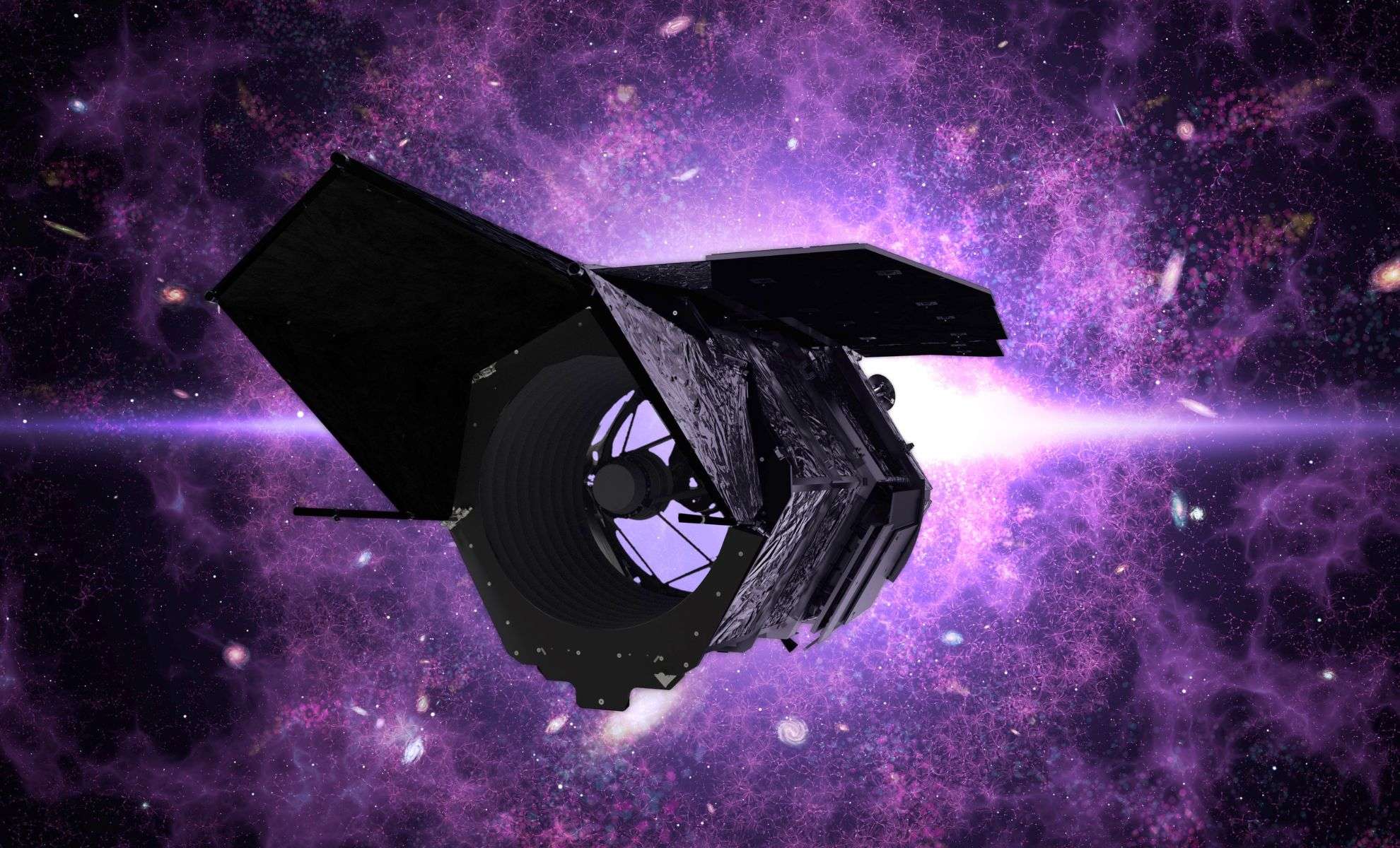
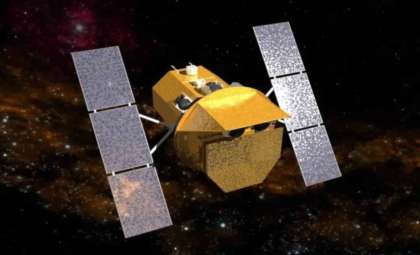
The Nancy Grace Roman Space Telescope, NASA’s forthcoming observatory scheduled for launch between October 2026 and May 2027, is set to dramatically advance the hunt for exoplanets while also shedding light on the enigmatic forces of dark energy and dark matter.
Named in honor of NASA’s pioneering chief astronomer, this telescope will combine wide-field vision with cutting-edge direct imaging tech, potentially doubling the known catalog of distant worlds and providing critical insights into how planets form and which may harbor life-friendly conditions.
Cutting-Edge Imaging: The Roman Coronagraph Instrument
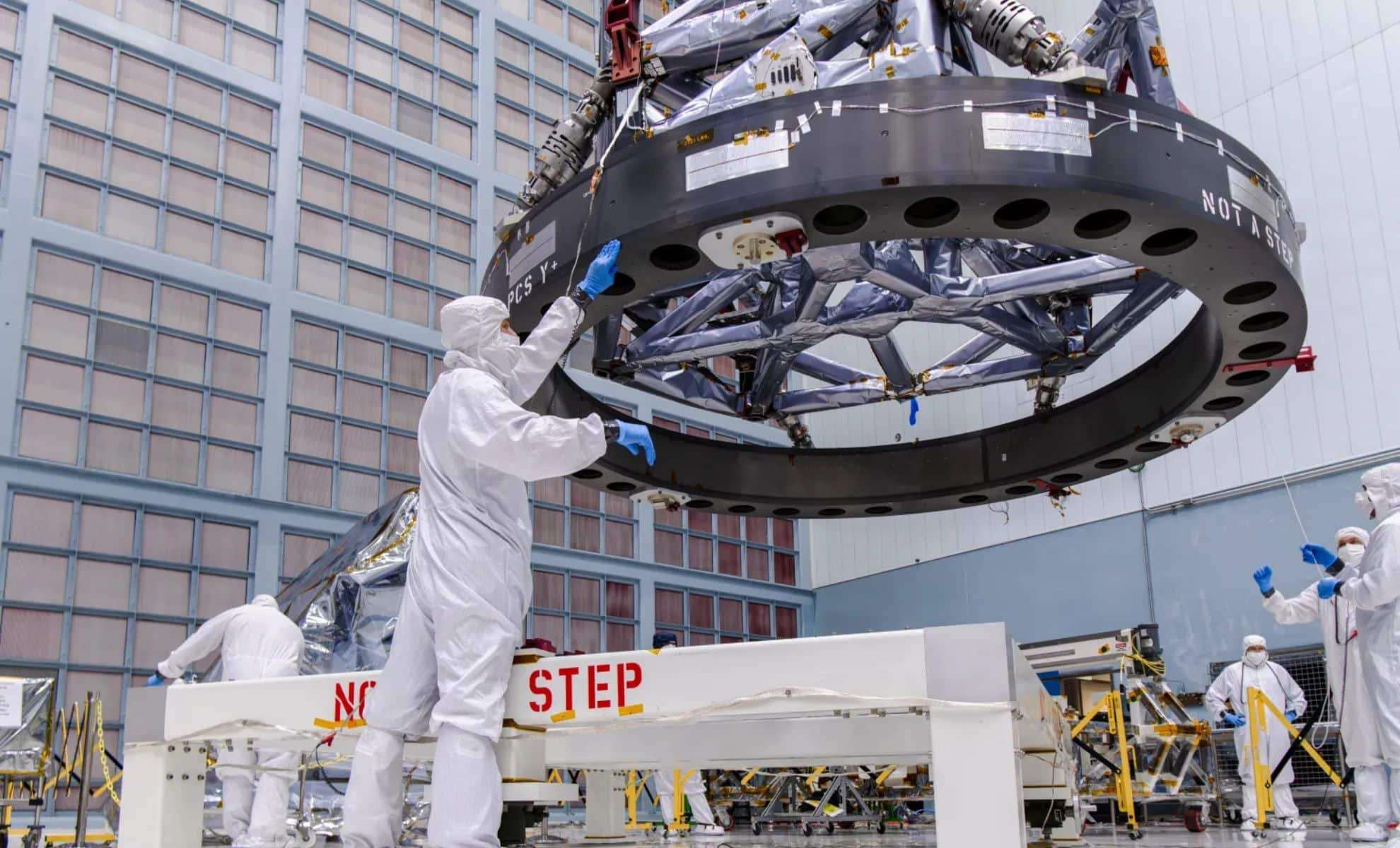
A cornerstone of the mission is the Roman Coronagraph Instrument, an innovative device engineered to capture direct images of exoplanets by filtering out overwhelming starlight. As reported by Space.com, this instrument, roughly the size of a baby grand piano, is designed to detect planets that are up to 100 million times dimmer than their parent stars. This degree of sensitivity surpasses current space coronagraphs by factors of 100 to 1,000, per NASA’s Jet Propulsion Laboratory. Utilizing masks, prisms, and adjustable mirrors to suppress star glare, the coronagraph enables astronomers to observe faint planetary light otherwise obscured. NASA’s Rob Zellem describes it as “a stepping stone for future space missions explicitly designed to look for Earth-like planets.”

The Roman Coronagraph marks a significant leap forward in direct imaging, a field historically limited to ground telescopes targeting large, hot, young exoplanets. NASA’s goal is to prove this technology in space, paving the way toward discovering smaller, potentially inhabitable worlds. It sets the stage for the next generation of observatories, like the proposed Habitable Worlds Observatory, which will focus intently on searching for life signs on distant exoplanets.
Expansive Sky Surveys for Exoplanet Detection and Dark Energy Insights
Equipped with the Wide Field Instrument, the Roman Telescope will scan immense swaths of the cosmos, boasting a field of view 100 times larger than that of the Hubble Space Telescope. As described by Express.co.uk, this capacity allows an extensive galactic survey profiling a vast array of exoplanets of varying sizes, compositions, and atmospheres. The telescope will employ microlensing, a technique leveraging gravitational lensing by stars to amplify the light of distant objects, which helps reveal planets that might otherwise remain invisible. This approach aids in exploring the galaxy’s planetary diversity and identifying worlds that might support life.
Beyond discovering exoplanets, Roman will investigate how galaxies are distributed over time and space to tackle fundamental cosmological puzzles, including the essence of dark energy and dark matter. By charting how dark energy influences the universe’s expansion, it aims to unravel aspects of this cosmic mystery. Moreover, with its infrared instruments, the telescope can peer through interstellar dust to study early galaxy formation, offering fresh perspectives on the universe’s evolutionary history, Express.co.uk reports.
An Era of Enhanced Cosmic Exploration
With a mission budget estimated at £2.6 billion ($3.2 billion), the Roman Space Telescope heralds a transformative chapter in astronomy. This sophisticated observatory is set to deepen our comprehension of the cosmos and our place within it. By merging high-precision imaging with broad sky coverage, it seeks to advance knowledge on how planets form, the diversity of exoplanets, and the cosmic architecture. As emphasized by Space.com, this telescope could lead to groundbreaking findings that shift our understanding of extraterrestrial life.
Integrating exoplanetary research with cosmology, the Roman Space Telescope stands to reveal valuable clues about universal origins and facilitate future quests to find habitable worlds nearby. Armed with data on distant planets, dark energy, and galactic structures, it’s poised to significantly expand our grasp of the universe.
- Categories:
- News









0 comments
Sign in to Comment