
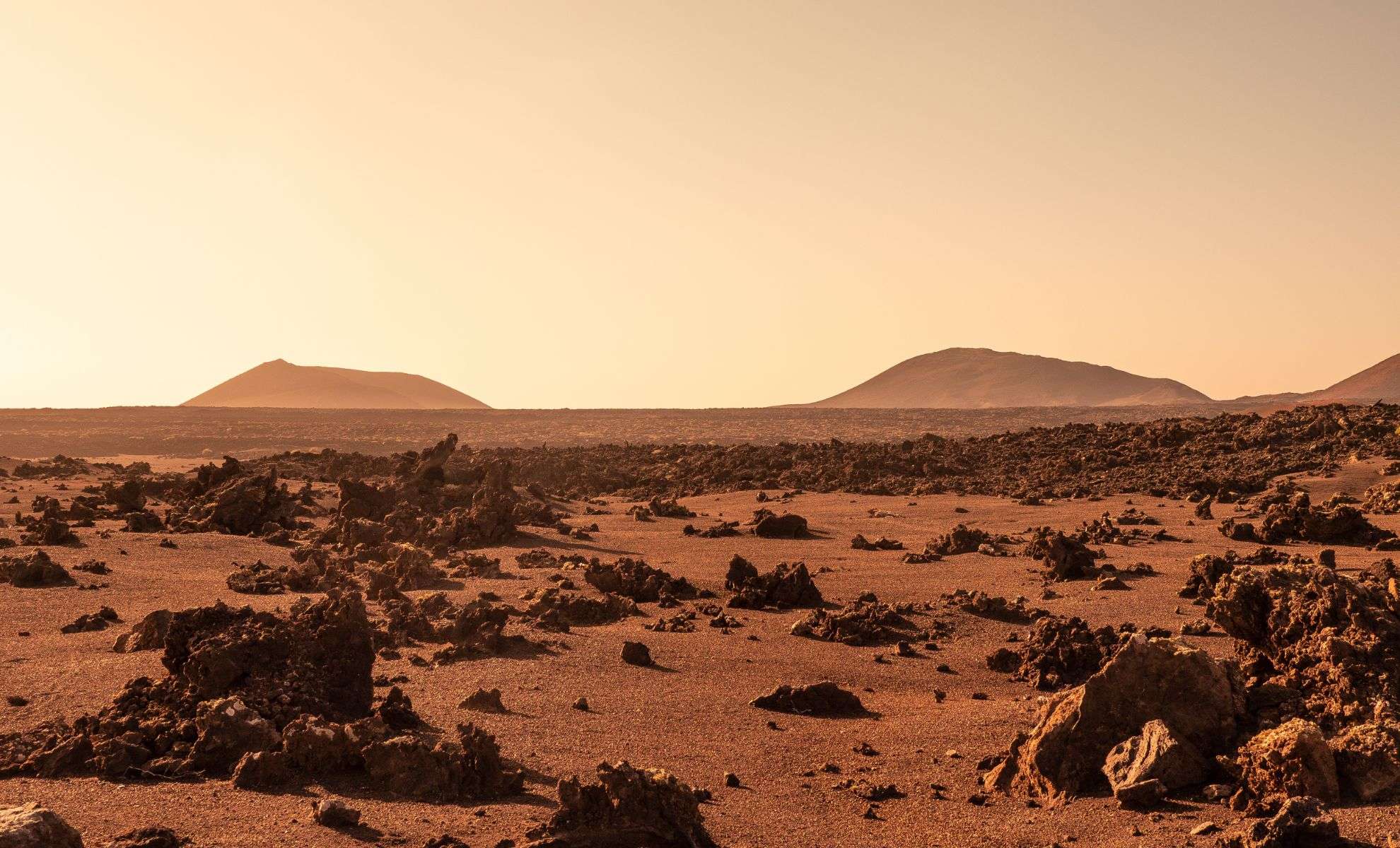
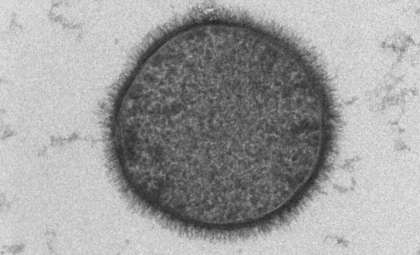
Recent findings published in PNAS Nexus reveal that baker’s yeast, scientifically known as Saccharomyces cerevisiae, may be far tougher than previously believed. This microorganism, familiar as the agent that causes bread to rise, has demonstrated an ability to withstand environments similar to those found on Mars. This astonishing result could reshape our understanding of life’s resilience beyond our planet.
Unexpected Resilience Under Extreme Conditions
A collaborative research team from the Indian Institute of Science (IISc) and Physical Research Laboratory (PRL) in Ahmedabad sought to test the endurance of yeast against several extreme stress factors that mimic conditions on Mars.
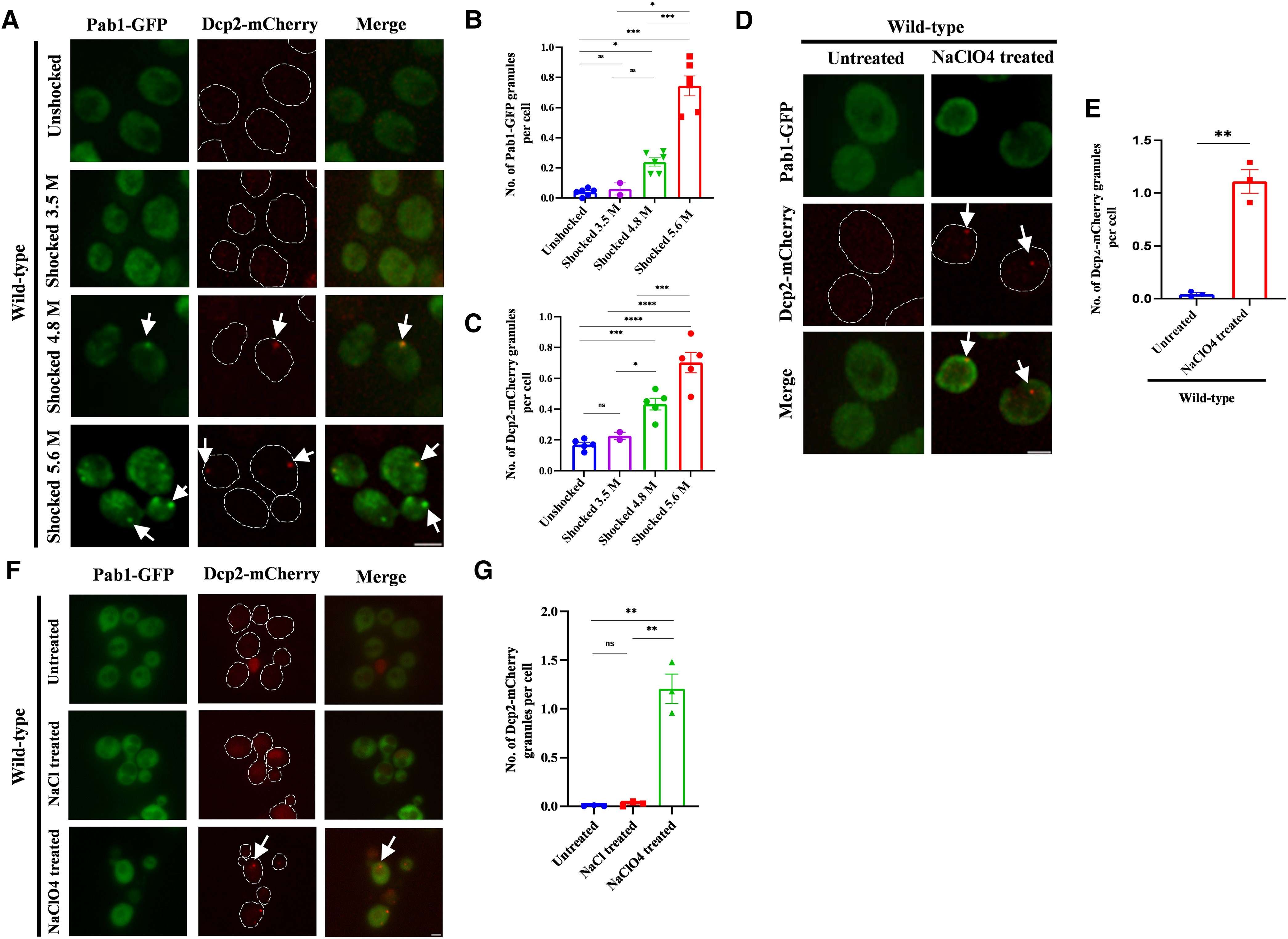
To recreate these challenging environments, researchers utilized a specialized apparatus called the High-Intensity Shock Tube for Astrochemistry (HISTA), engineered in Bhalamurugan Sivaraman’s lab. This device generates shockwaves moving at speeds of Mach 5.6—over five times the speed of sound—while simultaneously exposing yeast cells to 100 mM sodium perchlorate, a chemical compound common on the Martian surface. Although the yeast did not flourish, it remarkably endured these harsh conditions, capturing the scientists’ interest.

How Yeast Survives Mechanical and Chemical Assaults
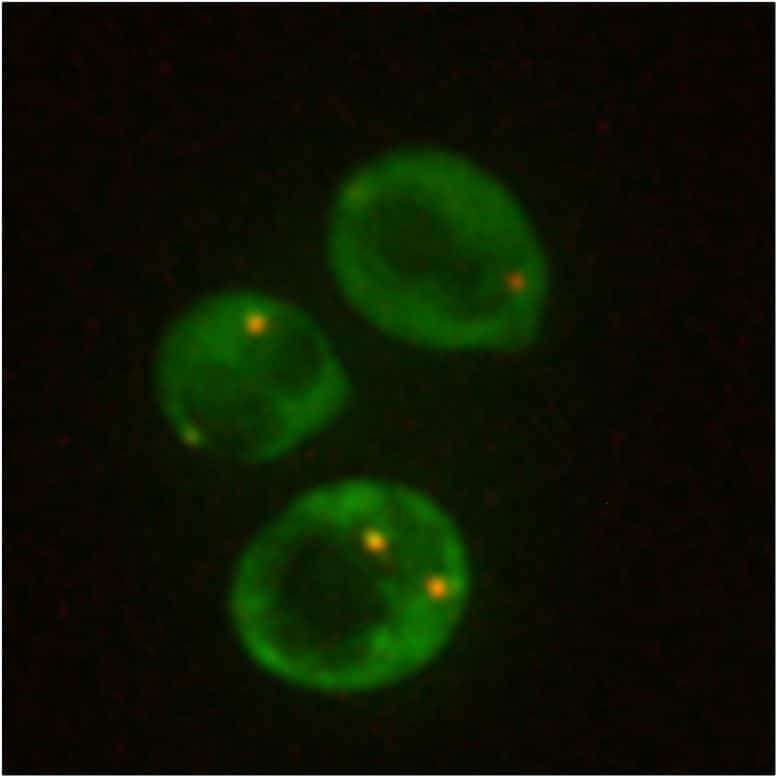
What mechanisms enable yeast to survive such stress? Researchers identified small, membrane-free structures called ribonucleoprotein condensates (RNPs) as crucial. These assemblies help organize and safeguard RNA within the cells under stress. The shockwaves induced two types of RNPs to form—stress granules and P-bodies—while exposure to perchlorate alone triggered only P-bodies.
Tests on yeast strains lacking the ability to produce these condensates revealed a sharp decline in survival, underscoring their importance. As study lead author Riya Dhage explained, setting up the HISTA system to successfully expose live yeast was a considerable technical challenge.
“One of the biggest hurdles was setting up the HISTA tube to expose live yeast cells to shock waves – something that has not been attempted before – and then recovering yeast with minimum contamination for downstream experiments,”
Yeast as a Window Into Extraterrestrial Biology
Purusharth I Rajyaguru, the study’s corresponding author and an associate professor at IISc, suggests these insights might establish baker’s yeast as a valuable model organism for space biology research, thanks to the extensive knowledge already available on its genetics and metabolic functions.
This study merges disciplines rarely combined—combining shock wave physics, chemical biology, and cellular stress physiology. The researchers propose that organisms can dynamically reorganize their molecular components in response to mechanical and chemical challenges, illustrating nature’s ingenuity in survival strategies.
Implications for Life’s Tenacity and Space Missions
The paper, titled “Ribonucleoprotein (RNP) condensates modulate survival in response to Mars-like stress conditions,” challenges the notion that terrestrial life is fragile under space-like forces. Instead, it points toward remarkable robustness. As Rajyaguru remarked:
“We were surprised to observe yeast surviving the Mars-like stress conditions that we used in our experiments. We hope that this study will galvanize efforts to have yeast on board in future space explorations.”
While moving from laboratory evidence to successful colonization remains a significant challenge, these findings make the prospect of utilizing yeast on Mars more plausible. Someday, it might even be possible to harness yeast for brewing beer on the Red Planet.
- Categories:
- News




0 comments
Sign in to Comment