
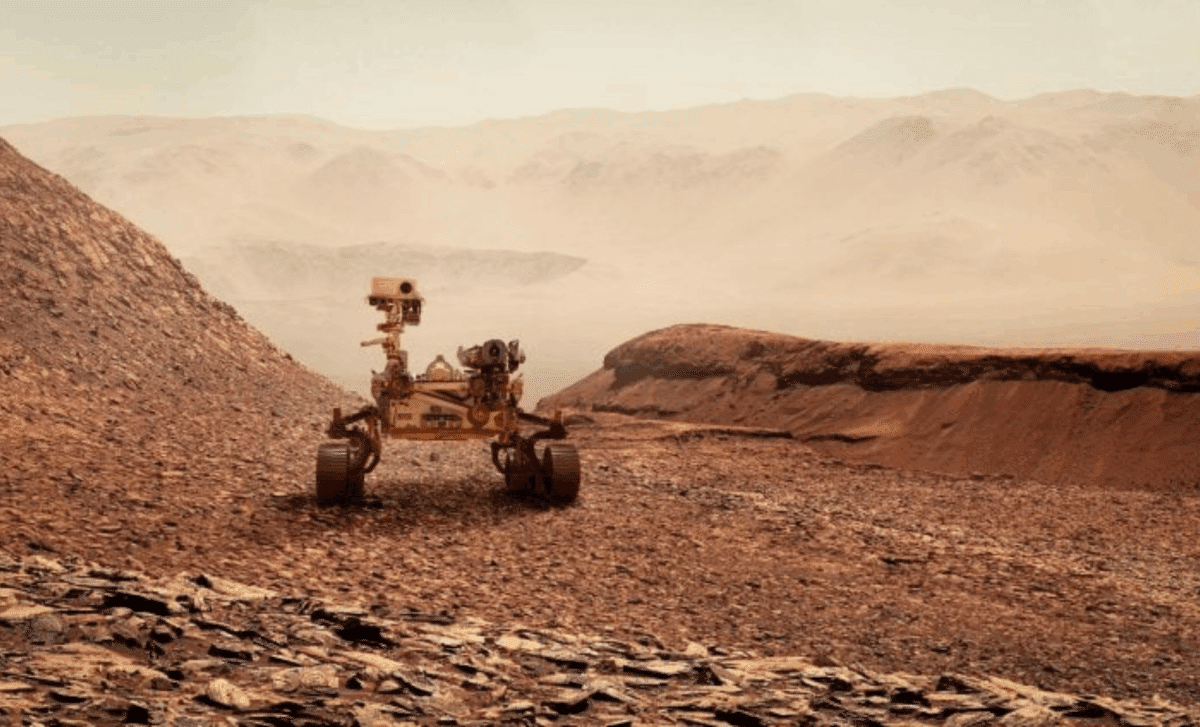
The duration during which Mars might have supported life has long been a subject of scientific debate. While the presence of ancient water on the Red Planet is well documented, fresh evidence points to a much longer timespan of possible habitability. Researchers from New York University Abu Dhabi (NYUAD) have published new findings in the Journal of Geophysical Research – Planets, revealing that Mars could have remained suitable for life well after its vast oceans began disappearing.
Reevaluating Mars’ Ancient Environment: Signs of Extended Water Activity
Mars has captivated scientists for decades, mainly due to its history of water and the potential to have hosted life. It is well established that Mars once contained rivers, lakes, and a global ocean, but determining how long these life-friendly conditions lasted has been challenging.
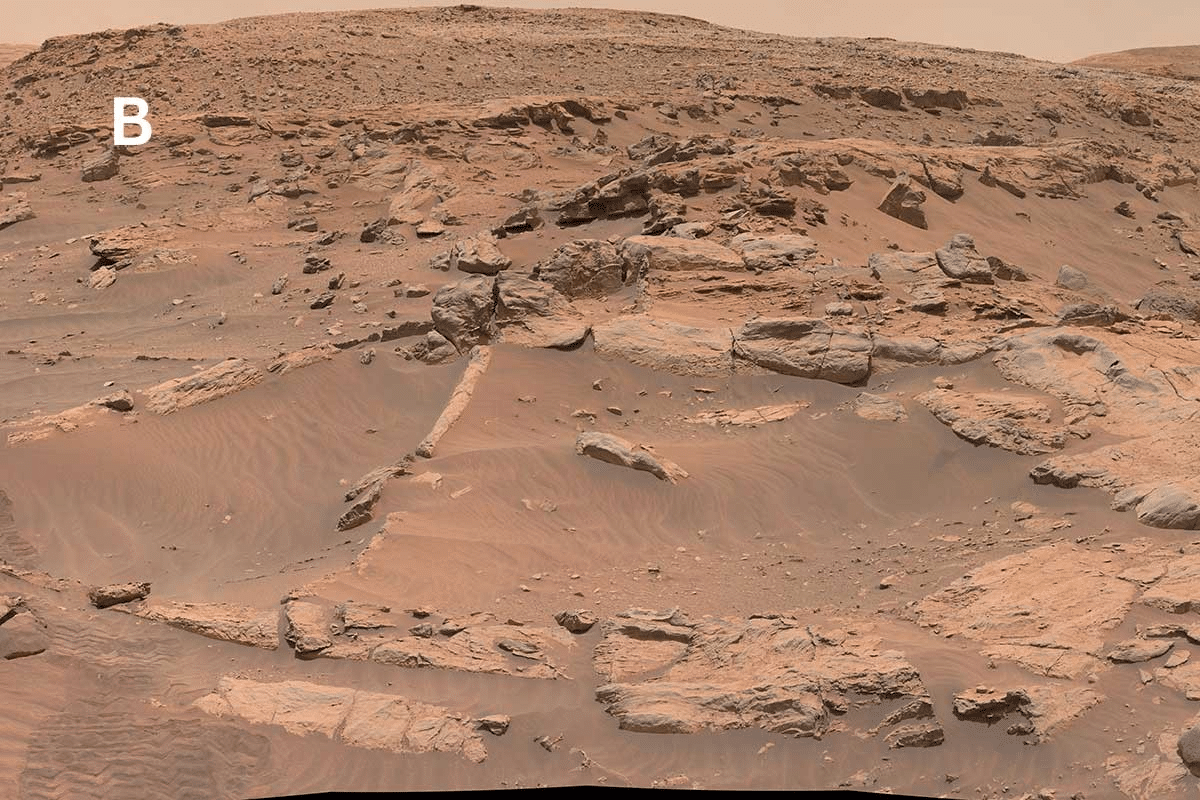
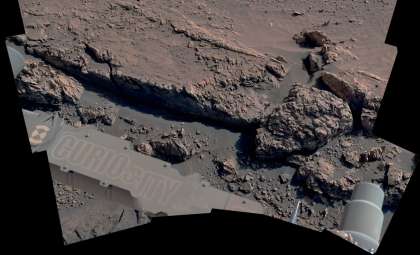
A recent study spearheaded by New York University Abu Dhabi (NYUAD) and featured in the Journal of Geophysical Research – Planets offers new perspectives by indicating that Mars’ habitability persisted longer than previously estimated. Utilizing data from NASA’s Curiosity rover, the team analyzed the Gale Crater, where ancient sand dunes solidified into rock due to prolonged interactions with underground water. These results suggest that liquid water existed beneath Mars’ surface for billions of years, possibly sustaining microbial ecosystems.

Under the leadership of Dimitra Atri, Principal Investigator at NYUAD’s Center for Astrophysics and Space Science, the researchers studied the Stimson Formation, ancient sand layers whose formation during late-stage water activity highlights that Mars experienced intermittent liquid water well beyond prior expectations, broadening the potential timeframe for habitability.
Examining Mars’ Hydrological Evolution
The transformation from an early warm and wet Mars to the arid, cold planet we know today has long intrigued the scientific community. While earlier studies dated the disappearance of flowing water to roughly 3.7 billion years ago due to solar wind stripping away Mars’ atmosphere, this latest research introduces a more nuanced understanding. It reveals that even as global bodies of water diminished, localized regions such as Gale Crater maintained subsurface liquid water for extended periods.
Investigations showed that sand dunes within Gale Crater underwent lithification through groundwater-sediment interaction spanning millions of years. This finding enriches Mars’ geological narrative by indicating that subsurface water reservoirs may have remained stable long after surface waters vanished, suggesting a persistent niche where life might have thrived.
Mars’ climate likely fluctuated, experiencing multiple humid and arid phases. Deciphering these cycles is vital for researchers striving to pinpoint when life could have originated and what conditions it endured.
Key Insights Drawn from Terrestrial Comparisons
To better understand Martian geology, the researchers compared Gale Crater’s rock features with desert formations found on Earth, notably in the United Arab Emirates. These Earth analogues feature comparably lithified sand dunes formed under intermittent groundwater exposure, serving as a valuable reference point for Martian processes.
This comparative method exemplifies a growing strategy in planetary science where Earth’s environments inform the interpretation of extraterrestrial data. The similarities indicate that Martian dunes likely hardened in much the same way as those in arid terrestrial regions, with groundwater gradually converting sands into solid rock.
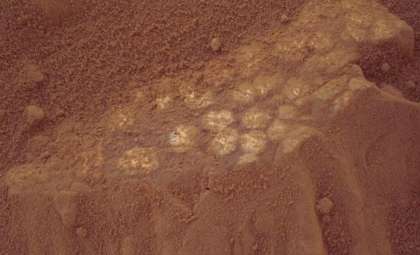
A critical discovery was the detection of gypsum minerals, typically formed in water-rich settings. These minerals, also present in Earth’s desert areas, point to subterranean water activity on Mars, strengthening evidence that liquid water survived below the surface long after atmospheric conditions turned unfavorable.
- Categories:
- News




0 comments
Sign in to Comment