
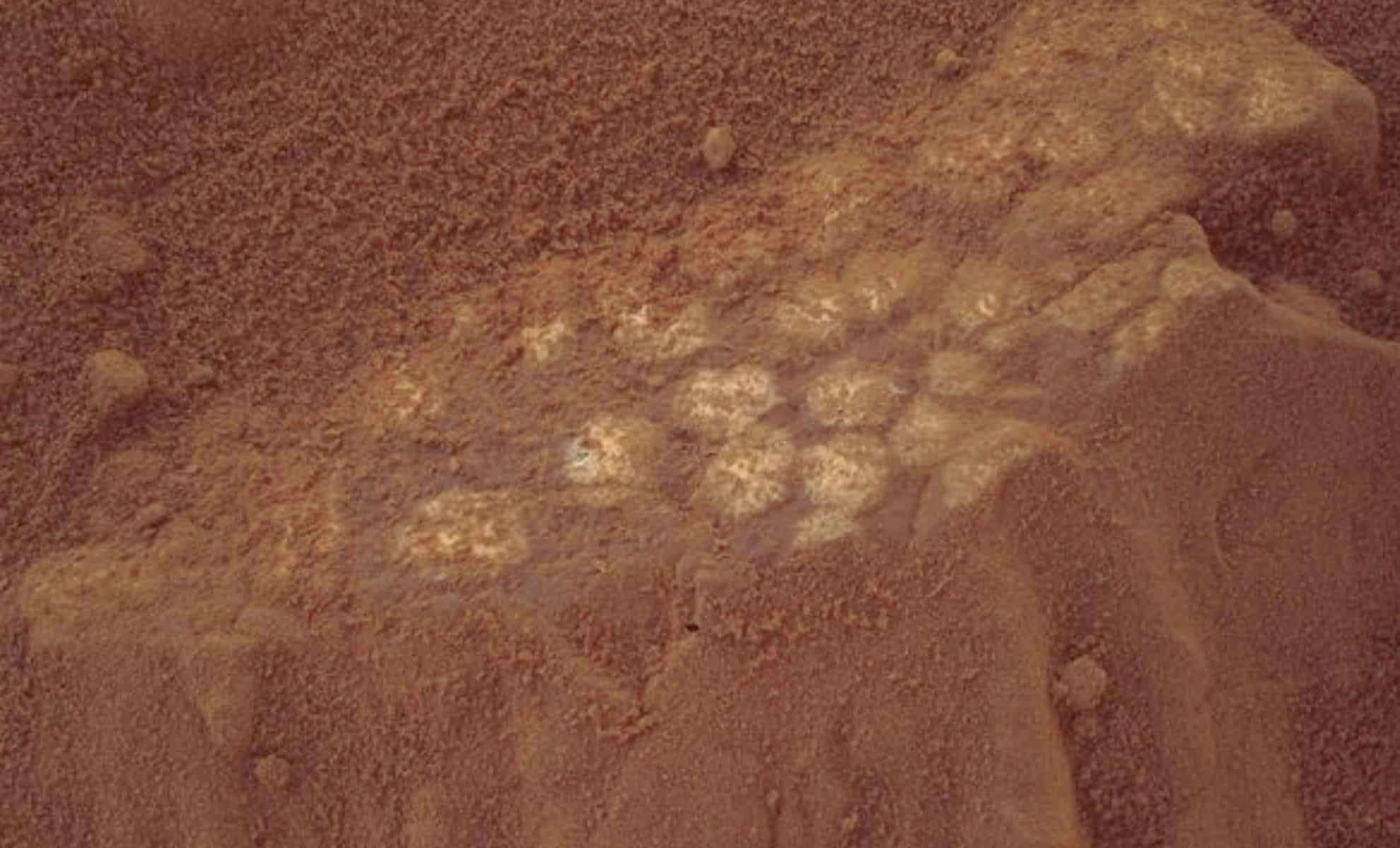
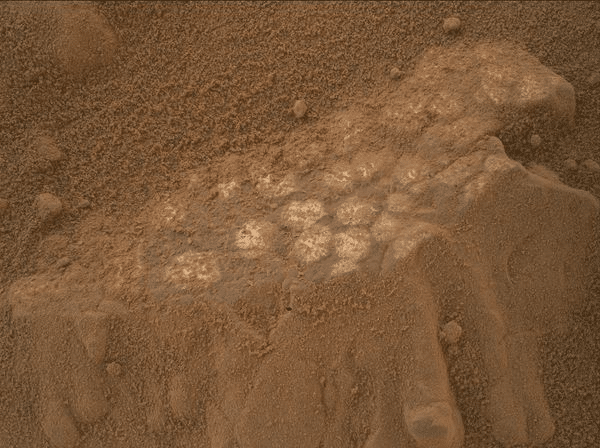
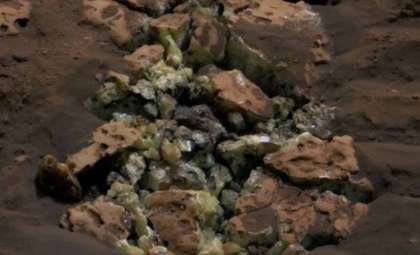
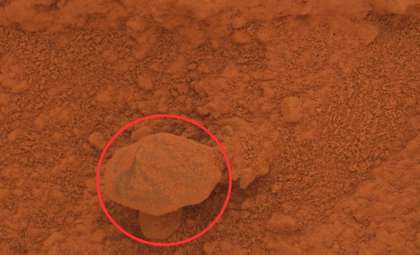
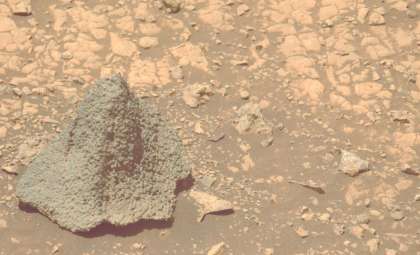
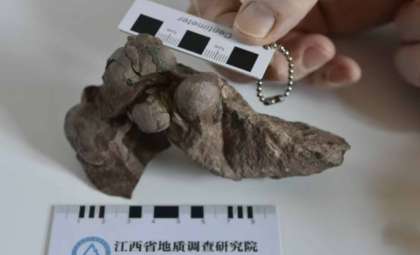
Continuing its journey across the rugged surface of Mars, NASA’s Curiosity rover has recently investigated a fascinating new site. As detailed in a NASA Science Mission Directorate blog update on August 15, 2025, this area, called The Boxworks, features rocks with unusual shapes resembling clusters of fossilized eggs or even dinosaur nests. Although these formations are naturally occurring, their peculiar appearance sparks scientific curiosity as well as vivid imagery.
A Geological Archive Captured in Martian Stone
The Boxworks site lies on Gediz Vallis Ridge along the slopes of Mount Sharp. This unique terrain includes fractured rocks filled with veins, presenting a complex geological environment not previously examined by Curiosity. These formations likely hold vital clues about the ancient environmental transformations driven by water interacting with the Martian crust.
Curiosity’s route to this ridge was deliberately chosen by mission planners due to its strategic elevation, which offers an excellent vantage point to analyze sedimentary layers, weathering features, and the structure of mineral veins—pointing to historical fluid flow beneath the surface. Navigating the rough terrain was challenging but worthwhile, providing exciting targets for imaging and chemical surveys.

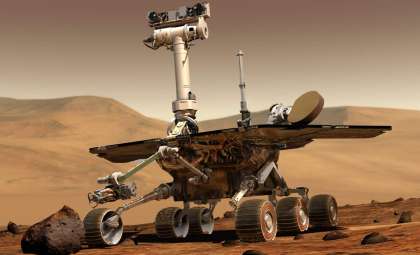
During sols 4627–4628, Curiosity employed tools like its Mastcam for detailed panoramic visuals and the ChemCam laser spectrometer to study rock compositions. Many rocks exhibited bulbous, cluster-like shapes indicative of prolonged mineral build-up or erosion patterns that preserved particular structural features.
The Significance of Boxwork Textures
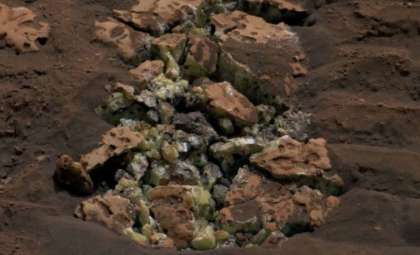
These formations stand out due to their structural complexity and mineral content variability. Deep fractures filled with lighter minerals suggest that fluids—potentially ancient subsurface brines—once permeated these rocks during periods of climate variation on Mars.
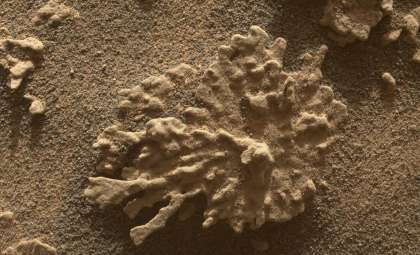
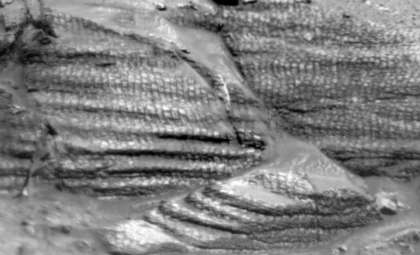
Some textures captured by Mastcam have a distinctly geometric, “boxy” pattern, inspiring the site’s nickname. On Earth, similar “boxwork” features occur in hydrothermal regions or where rock dissolution leaves behind resilient mineral skeletons. Such formations may provide valuable information about the pH levels, temperature ranges, and possibly even microbial habitats of the ancient Martian environment.
Scientists are keenly focused on these rocks because they may chronicle key transitional phases when Mars shifted from a wetter past to its present arid state. Special attention is being given to veins and interfaces between rock layers to decipher the chemical signatures marking these environmental changes.
Overcoming Terrain Challenges on the Ridge
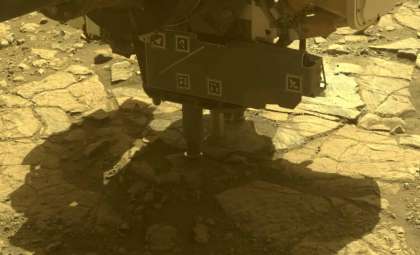
Negotiating the steep and uneven ridge required careful maneuvers by the Curiosity team. Maintaining a safe and stable position was critical to operate the rover’s robotic arm and drill instruments effectively without jeopardizing hardware stability.
The fractured, rough nature of the rocks here prevented drilling activities, but Curiosity’s contact instruments, including the Mars Hand Lens Imager (MAHLI) and the Alpha Particle X-Ray Spectrometer (APXS), enabled detailed surface studies. These tools allow scientists to analyze microscopic features, grain textures, and elemental compositions of rock surfaces.
Given the scientific importance of this location, Curiosity is expected to spend several sols conducting thorough observations. Each new day provides further opportunities to map out veins or fractures indicative of possible multi-stage hydrothermal processes—an important factor when assessing ancient habitability.
Next Steps Toward Deeper Martian Insights
Curiosity’s upcoming path leads further along the ridge toward a geological feature named Kukenán, where more distinctive rock exposures await. Mission planners aim to balance intensive scientific investigation with careful progression uphill to uncover new sediment layers that could illuminate past climate conditions in greater detail.
With every day on Mars, Curiosity refines our understanding of how the planet transformed from a potentially habitable world with liquid water to the frigid desert it is today. While the egg-like formations capture the imagination, they may also hold chemical and mineral clues about the temperature, pH, and composition of fluids that once flowed here—factors critical to assessing whether primitive life could have thrived.
These findings open intriguing possibilities, but many questions remain unanswered. Still, the unique rock formations continue to reveal their secrets one scan at a time.
- Categories:
- News



0 comments
Sign in to Comment