
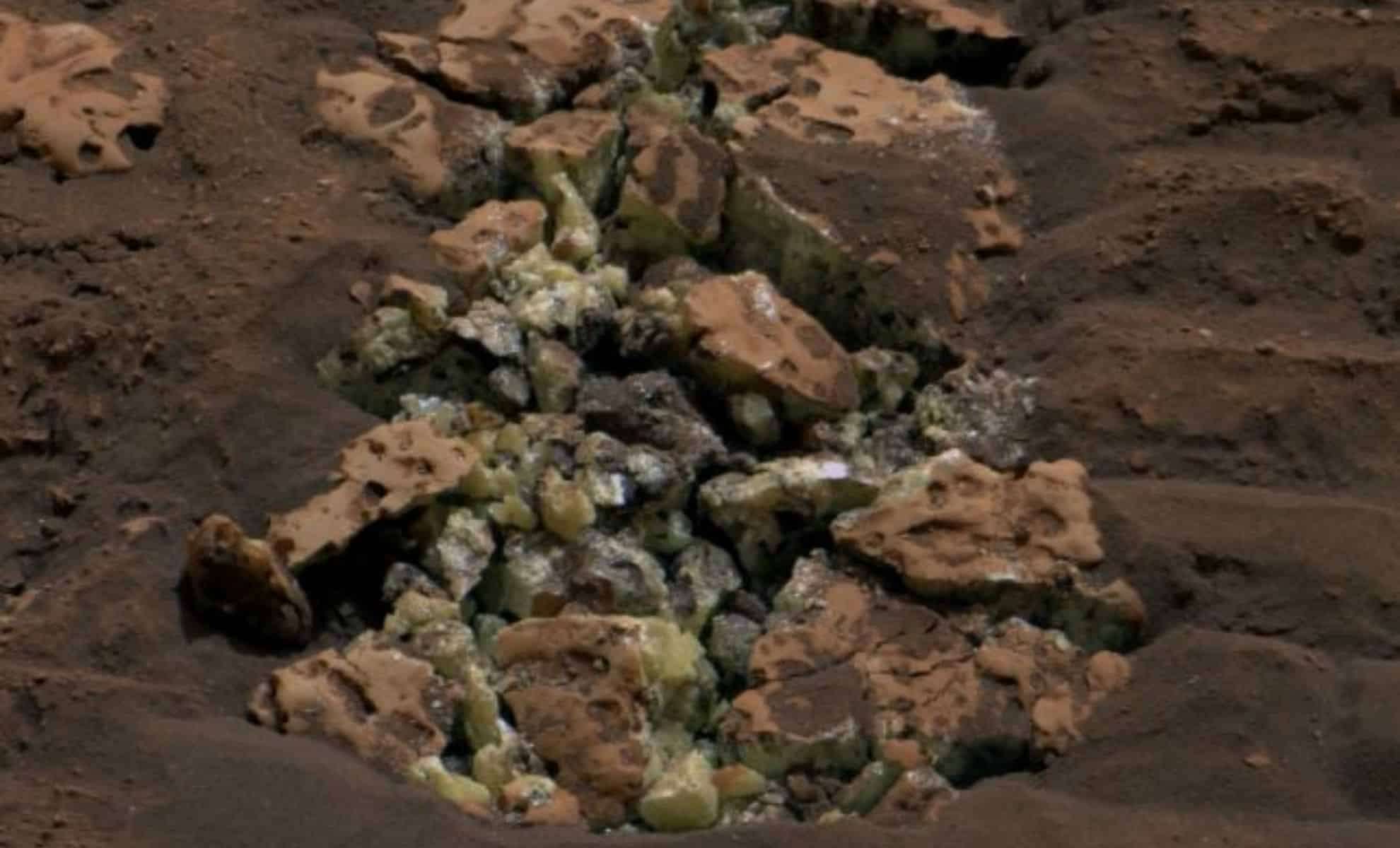
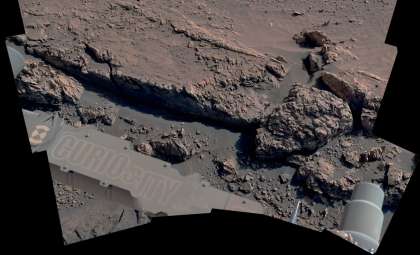
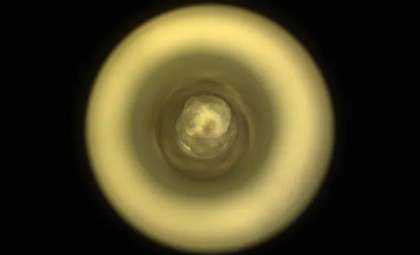
In a remarkable development, NASA’s Curiosity rover has penetrated a rock on Mars, uncovering an astonishing discovery that is captivating planetary geologists and prompting new questions about the Red Planet’s geological past. This breakthrough, achieved in July 2024, occurred in the Gediz Vallis Channel, a site rich in Martian history. Although researchers initially examined the rock’s exterior, the internal reveal proved far more intriguing.
Tasked with in-depth geological studies, the Curiosity rover has been investigating rock formations in this area to shed light on Mars’ ancient environment. The team anticipated encountering typical mineral compositions, but what emerged hints at a surprising new chapter in the planet's story. This discovery is fueling excitement and raising speculation about the processes that influenced Mars over billions of years.
Now under thorough scientific scrutiny, this finding might illuminate aspects of Mars’ volcanic past, atmospheric changes, and possibly conditions favorable for life. However, its broader significance remains a puzzle as scientists work to unravel its meaning.

An Unexpected Find in the Gediz Vallis Channel
The Gediz Vallis Channel has been a focal point for Curiosity’s explorations due to its potential to reveal Mars’ watery ancient history. Over recent months, the rover has examined stones in this region, collecting data that may help answer crucial questions about the planet’s ability to sustain life. The moment the rover fractured the rock, the content discovered surprised scientists, revealing a material completely unexpected in this once presumed barren environment. Researchers are now challenged to explain how such material could form in this unlikely setting.
This revelation considerably shifts our understanding of Mars’ geological narrative. Curiosity project scientist Ashwin Vasavada noted, “It shouldn’t be there, so now we have to explain it.” This comment highlights the discovery’s profound implications and the need for new theories about Martian geology. It also adds to mounting evidence that Mars’ geological activity may have been more complex than once believed.
Why This Discovery Defies Expectations
Though the Gediz Vallis Channel is known for its fossilized river channels, the material uncovered inside the rock defies conventional understanding. Given Mars’ harsh environmental history, this substance challenges prior assumptions about the planet’s geology. Scientists are revisiting old hypotheses and considering what unknown processes could have resulted in this surprising composition.
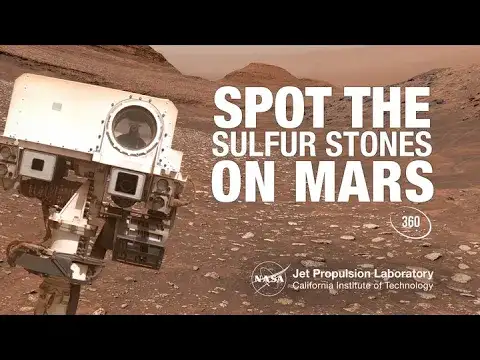
“It’s like finding a field of stones made of pure sulfur,” remarked Ashwin Vasavada in July 2024, emphasizing the rarity of this material. He likened this finding to discovering an “oasis in the desert,” illustrating its unexpected presence amid Mars’ inhospitable terrain. This discovery compels researchers to rethink Mars’ geological mechanisms and possibly its past habitability.
The Enigma of Mars’ Geological Past Grows
As Curiosity advances through the channel, the scientific team hopes to collect additional evidence to clarify how this distinctive material was formed. The presence of such matter may point to previously unrecognized geological or hydrothermal activity on Mars, perhaps persisting longer than current models suggest. Could there have been pockets of environments capable of sustaining such unique formations?
Every new piece of data from Mars challenges our understanding, and this latest revelation might profoundly alter our perception of the planet’s dynamism. It opens up intriguing possibilities about a more geologically vibrant and potentially habitable Mars than once assumed.
- Categories:
- News




0 comments
Sign in to Comment