
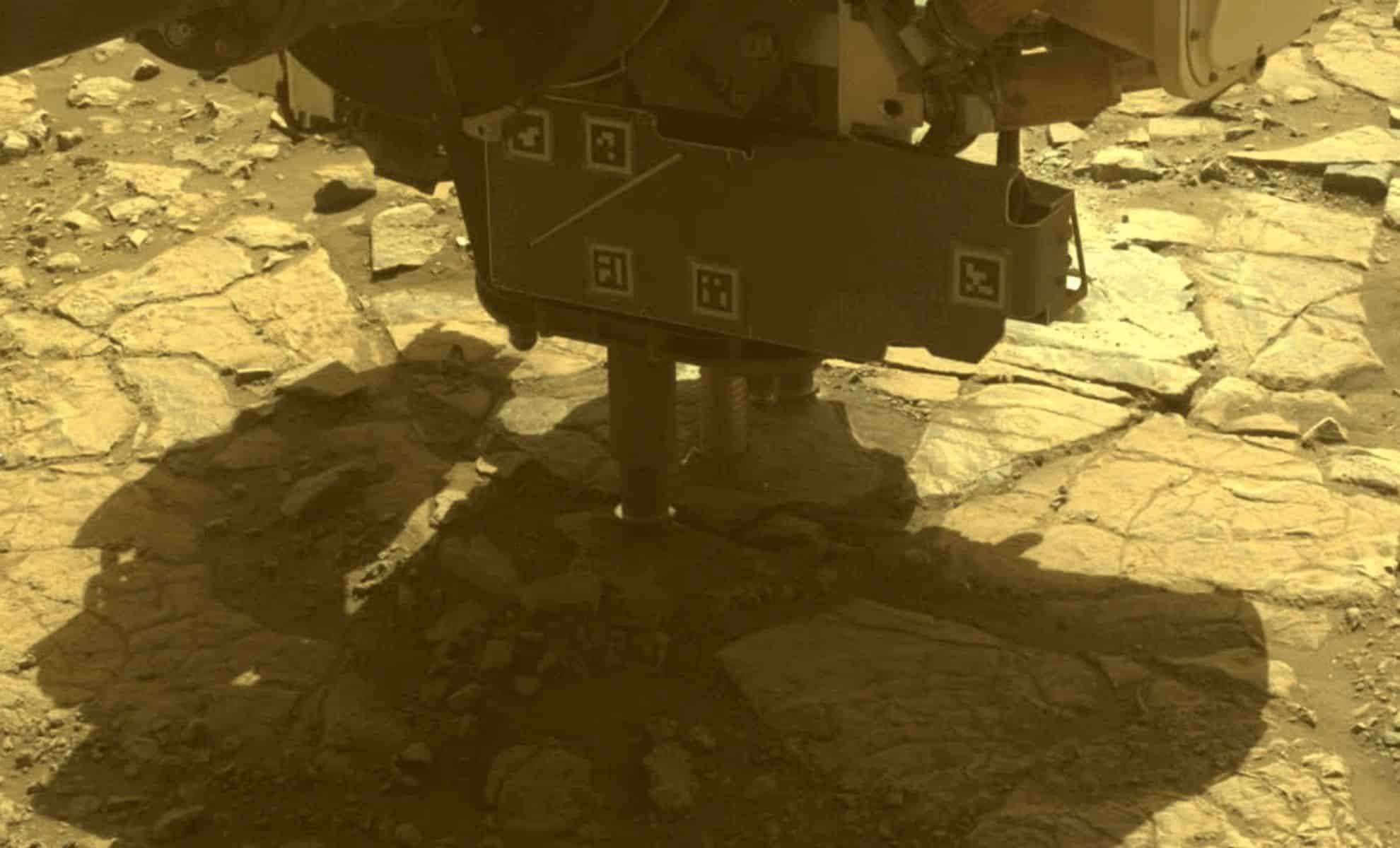
NASA's Perseverance rover has stumbled upon one of its most remarkable finds on Mars, revealing a dense cluster of ancient rocks along the western edge of Jezero Crater that could transform our knowledge of the planet’s formative years. As detailed by Space.com, the layered slopes at a site called Witch Hazel Hill exhibit an extraordinary range of geological features, leading experts to describe the area as a “scientific gold mine.”
Over the past four months, the rover has sampled five individual rocks, investigated seven others, and employed its laser instrument to analyze 83 additional specimens—surpassing the workload of any previous period since its 2021 touchdown. These samples provide insights into the Noachian epoch, a period more than 3.9 billion years ago when Mars was bombarded by meteorites and may have harbored flowing water.
Insights from the Crater’s Perimeter
The outer rim of Jezero Crater has emerged as a captivating geological site. NASA scientists highlight that this region contains fragmented, once-molten rocks likely ejected from deep within Mars’ surface during colossal impacts, including the one responsible for creating the crater. These fragments are essential for piecing together the planet’s crustal evolution.

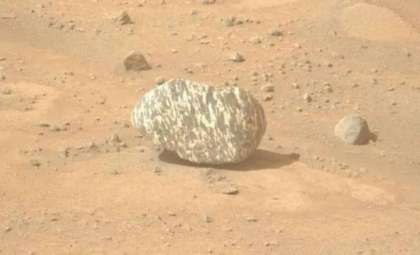
One standout specimen, labeled “Silver Mountain,” is hailed by NASA researchers as an unparalleled find, featuring textures not previously identified on Mars. Dating from the Noachian era, this rock may be among the oldest accessible geological samples on the planet.
“During earlier explorations in Jezero, discovering a rock that was unique enough for sampling could take several months,” explained Katie Morgan, Perseverance’s project scientist at NASA’s Jet Propulsion Laboratory. “Here at the crater rim, the rover encounters novel and compelling rocks in every direction. This has exceeded all our expectations.”
Indicators of Ancient Habitability
Near Silver Mountain, the rover uncovered a rock rich in serpentine minerals, which form when water reacts with volcanic rock. On Earth, this process can generate hydrogen gas, a potential energy source for microorganisms. Although it doesn’t prove past life, this discovery strengthens the case for Mars having once offered conditions favorable to life.
Additionally, Perseverance gathered and securely stored a sample called “Green Gardens” from a rock known as Tablelands. Despite the complexities involved in extracting this sample, the rover team successfully prepared it for a possible future mission aimed at returning Martian material to Earth.
A Challenging Future for Sample Retrieval
While Perseverance continues to make scientific advances, NASA’s Mars Sample Return (MSR) initiative—which intends to bring collected samples back to Earth—faces increasing delays and costs. Initially slated for the 2030s, the mission’s budget has swelled to approximately $11 billion, pushing its potential launch date to 2040 or beyond. In response, NASA is requesting alternative proposals to streamline the mission’s cost and improve efficiency, with revised plans expected by mid-2026.
Meanwhile, the rover’s science team remains optimistic, meticulously planning where to collect the next valuable samples. “The past four months have been incredibly active for our team, and Witch Hazel Hill still has many stories to tell,” Morgan remarked.
- Categories:
- News












0 comments
Sign in to Comment