
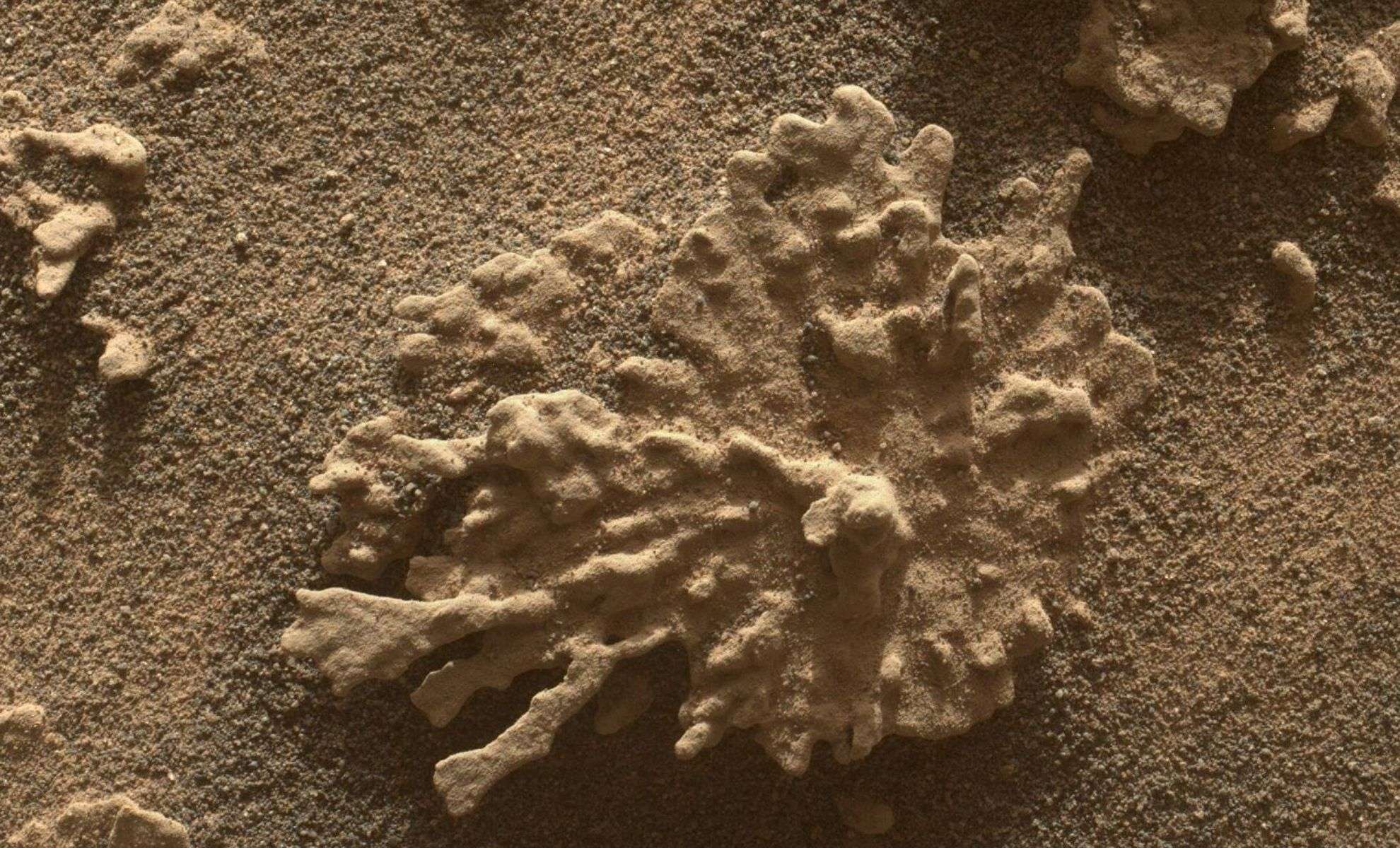
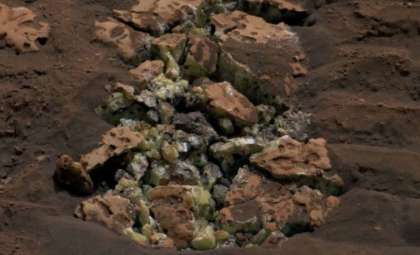
NASA’s Curiosity Rover has recently photographed a rock on Mars that bears a remarkable resemblance to coral. This fascinating find, captured on July 24, 2025, was taken by Curiosity’s Mars Hand Lens Imager (MAHLI) situated just a few inches from the rock’s surface. Known as Paposo, this exceptional Martian formation has prompted researchers to reexamine the Red Planet’s distant past, as detailed in the official NASA JPL announcement. This discovery adds new insight into Mars’ geological evolution and its history of water presence and habitability.
Paposo: A Coral-Like Formation on the Red Planet
The distinctive rock called Paposo stands out due to its coral-reminiscent texture. Even though it's improbable that living coral ever thrived on Mars, the structure’s pattern closely mimics that of earthly coral colonies. On Earth, these formations develop from marine organisms growing in aquatic environments, creating intricate branching shapes. On Mars, however, Paposo’s formation is believed to be the result of mineral precipitation from ancient water rather than biological activity.
Mars is known to have hosted rivers and lakes billions of years ago, featuring a far more welcoming environment. Evidence of minerals filling cracks in Martian rocks supports the presence of flowing water that transported dissolved substances. When the water evaporated, these minerals solidified inside rocks and were later sculpted by the persistent Martian winds.

Wind’s Influence on Martian Surface Features
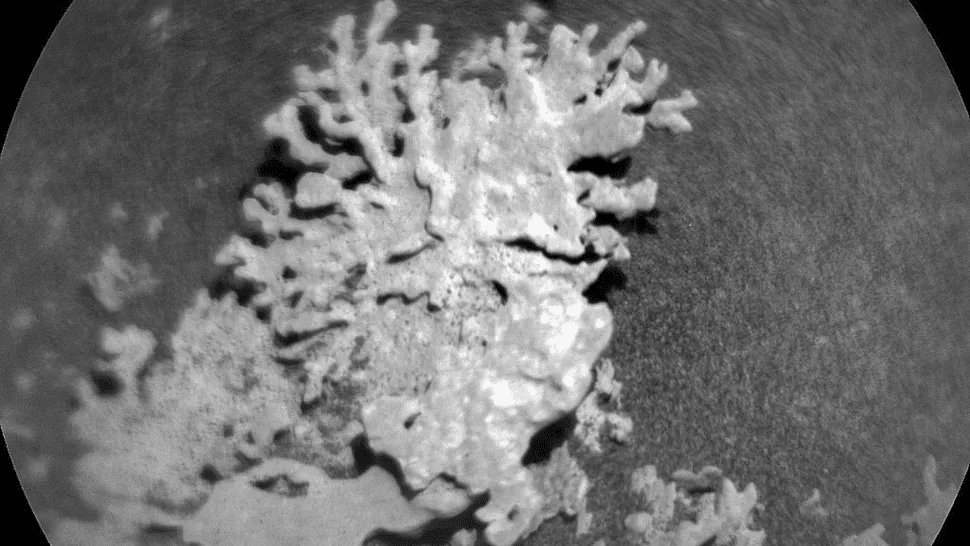
The image of Paposo provides a clear example of how aeolian (wind-driven) erosion has modified Mars’ landscape over eons. The planet’s thin atmosphere combined with constant gusts has gradually worn away softer rock, preserving durable mineral deposits like those in Paposo. This kind of natural sculpting by wind is also observed on Earth, where erosion continuously reshapes rock formations.
Martian wind erosion is especially intense due to the planet’s low gravity and lack of a protective dense atmosphere. These factors accelerate the movement of dust and sand, intensifying erosion across vast stretches of surface. The wind’s ability to erode softer materials while leaving tougher minerals intact results in fascinating rock patterns that hold important geological clues.
Unraveling Mars’ Past: Water’s Legacy and Erosion
The presence of Paposo highlights the crucial part water once played in Mars' geological transformation. Eons ago, flowing water likely carved valleys and river channels, depositing minerals inside rocks that are now exposed by erosion processes. These mineral-rich formations provide key evidence for scientists reconstructing Mars’ climatic and environmental history.
Curiosity’s detailed imaging capabilities allow it to document such features meticulously, offering vital data about the planet’s ancient conditions. Findings like those in Paposo suggest that Mars might once have experienced a more dynamic geological phase, potentially maintaining conditions favorable for early microbial life. As the rover continues its expedition, it is poised to reveal additional data on Mars’ watery past, refining our understanding of the planet’s evolution.
- Categories:
- News







0 comments
Sign in to Comment