
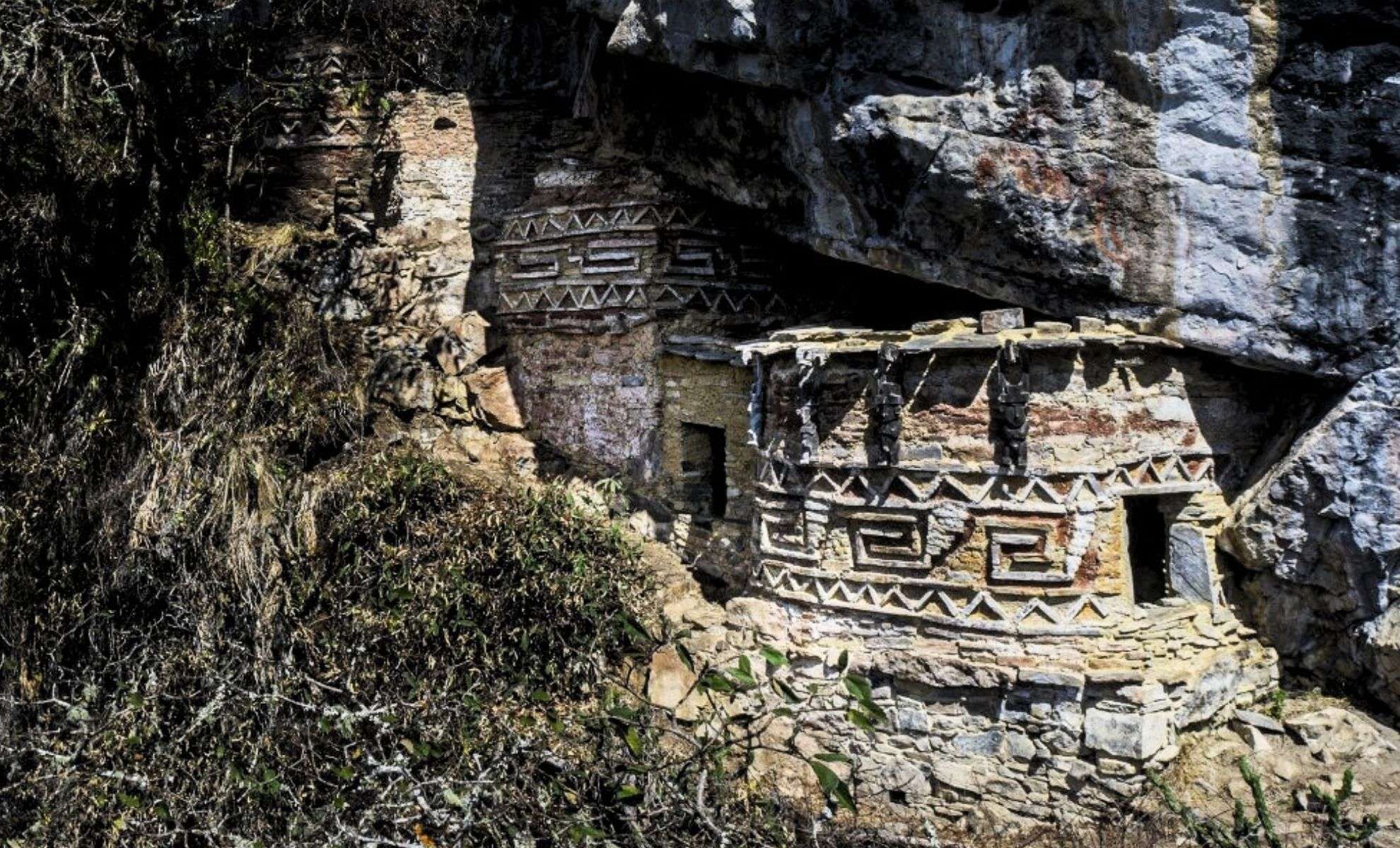
Deep in the elevated reaches of the northern Andes, a remarkable breakthrough has unveiled new details about one of Peru’s most enigmatic archaeological regions. Concealed beneath the dense foliage of the Río Abiseo National Park, researchers have identified over 100 previously unknown structures at the Gran Pajatén complex, unlocking fresh perspectives on the secretive Chachapoya culture.
Publicized in May by the World Monuments Fund (WMF), this is the most extensive discovery at the location since the 1980s, when only 26 buildings had been documented. This discovery is prompting archaeologists to reconsider the extent and complexity of a civilization that thrived between elevations of 6,500 and 9,800 feet on the Andes’ eastern slopes.
A Hidden Settlement Surfaces
Gran Pajatén, situated within the protected area of Río Abiseo National Park—a UNESCO Mixed World Heritage site renowned for its biodiversity and archaeological significance—was first revealed to scientists in the 1960s and was believed to be relatively small. However, newly detected structures such as ceremonial platforms, temple bases, enclosing walls, and stairways reveal a sprawling and systematically arranged community.

Located across a steeply forested incline, these buildings appear organized according to an intentional urban design, showing influences from both the Chachapoya and later Inca cultures. Archaeologists note that the layout, combined with nearby ancient roads connecting Gran Pajatén to other archaeological sites like La Playa, Papayas, and Los Pinchudos, signifies a connected regional system.
Juan Pablo de la Puente Brunke, Executive Director of WMF Peru, emphasized, “This revelation greatly broadens our perception of Gran Pajatén and prompts fresh inquiries into the site's importance within the Chachapoya territory. It's now evident that this was part of an interlinked network of pre-Hispanic settlements spanning different timeframes.”
Cutting-Edge Tools Reveal Secrets Beneath the Trees
The breakthroughs stem from utilizing a blend of aerial and ground-based LiDAR scanning, photogrammetry, and technomorphological investigations. These innovative methods enabled the team to produce detailed topographic maps without disturbing the fragile local ecosystem. By effectively digitally removing the dense canopy, researchers could detect and record architectural elements invisible to traditional survey methods.
According to WMF, this approach, which avoids physical excavation, has delivered the most comprehensive visual and scientific records of Gran Pajatén to date. The creation of sophisticated maps and 3D reconstructions provides new insights into ancient construction practices and the site's natural surroundings, enhancing interpretation while preserving its integrity.
Bénédicte de Montlaur, President and CEO of WMF, commented, “What makes this achievement so significant is both the vast scope of the discoveries and the innovative techniques used. Advanced technology allowed us to document Gran Pajatén meticulously without damaging its delicate environment.”
Rediscovering the Cloud Forest Culture
The Chachapoya, often known as the “cloud forest people,” inhabited northeastern Peru from the 7th through the 16th centuries. Distinguished by their round stone homes, complex stone friezes, and cliff burial sites, these communities shared cultural ties despite the challenging terrain.
Though eventually conquered by the expanding Inca Empire during the late 1400s, the Chachapoya preserved unique social structures and architectural styles. Gran Pajatén epitomizes this legacy, showcasing ceremonial constructions, intricate mosaics, and a key location within the dense cloud forest. Soil analyses suggest habitation extending back to at least the 14th century, with hints of even earlier activity.
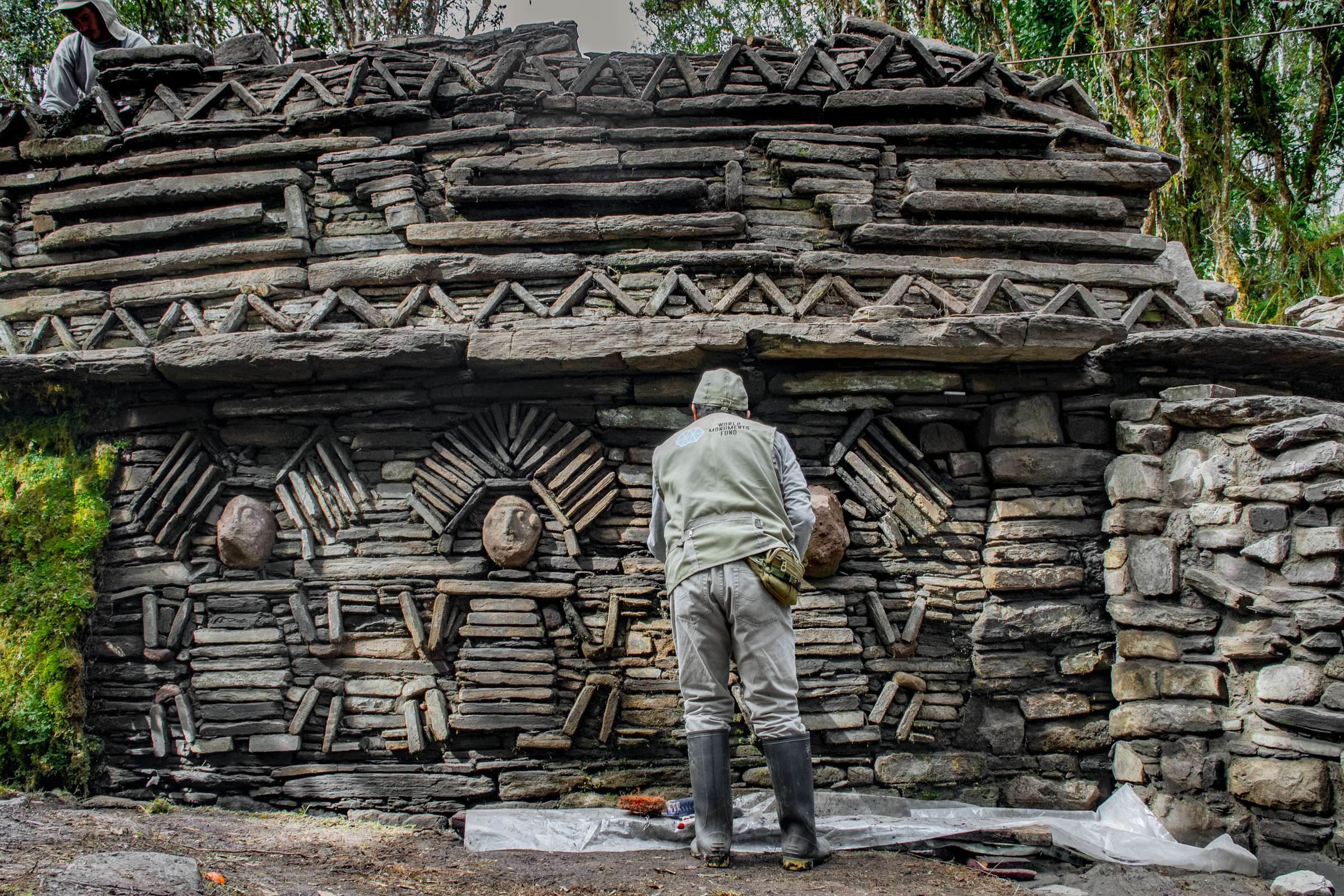
Between 2022 and 2024, the WMF team also undertook preservation work at critical areas of the site, including the north base of a main structure. Activities entailed clearing vegetation, digitally archiving the architecture, and strengthening elements such as steps and boundary walls. A specially formulated clay mortar was employed to reinforce the ruins while maintaining their historical authenticity.
Protecting the Past While Sharing Its Story
To safeguard the site’s pristine condition, Gran Pajatén and other sensitive sections of Río Abiseo National Park remain off limits to tourists. Its remoteness and ecological importance restrict access, ensuring both cultural and environmental preservation.
To present new discoveries to the public, a complimentary exhibit is currently available at Museo de Arte de Lima (MALI) until June 18. The presentation includes digital visualizations and exhibits that emphasize the scope of the finds and the cutting-edge techniques employed.
Dr. Ricardo Morales Gamarra, who led the conservation efforts, remarked, “This initiative represents a groundbreaking intervention that will guide future preservation projects in the region.”
- Categories:
- News







0 comments
Sign in to Comment