
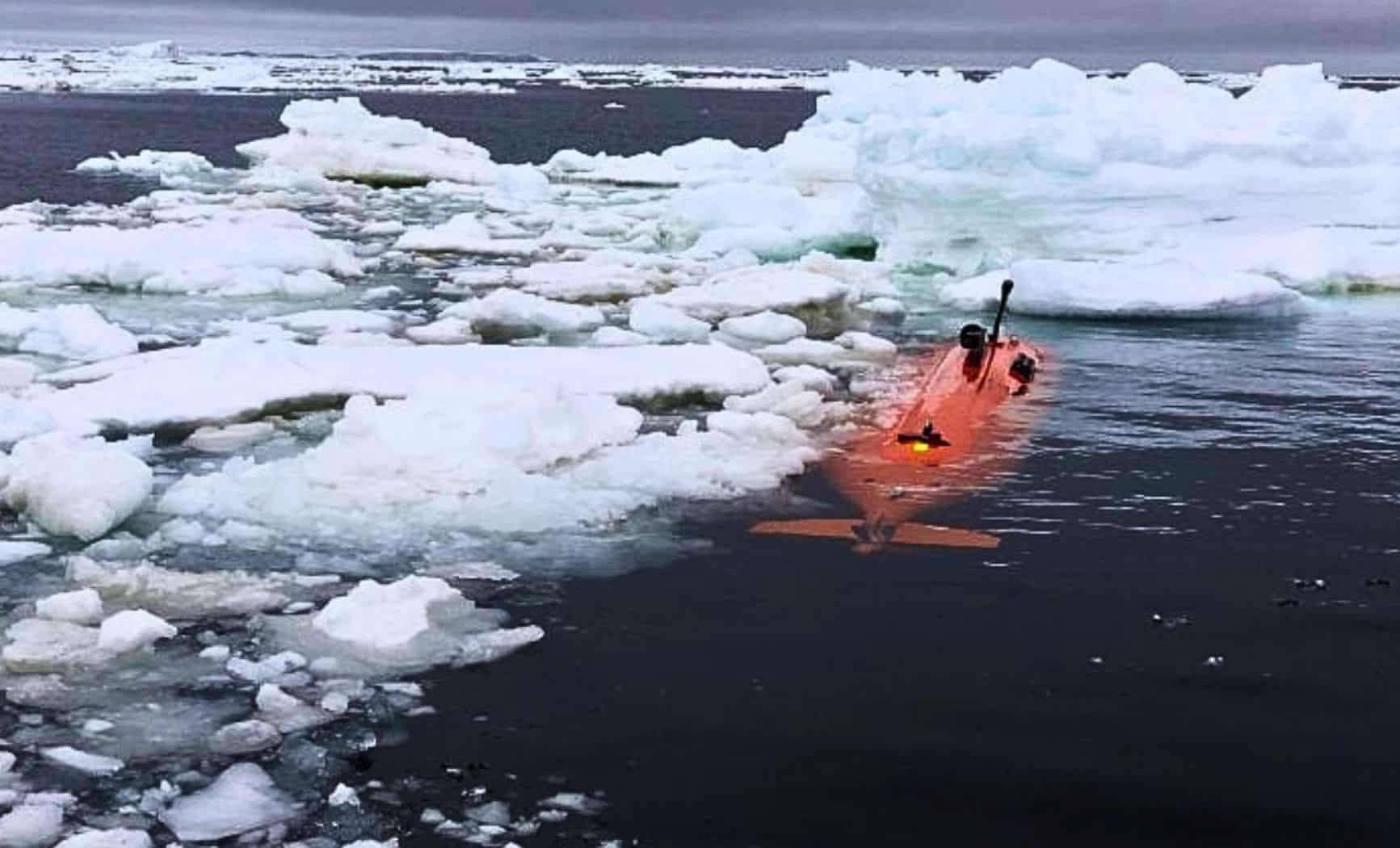
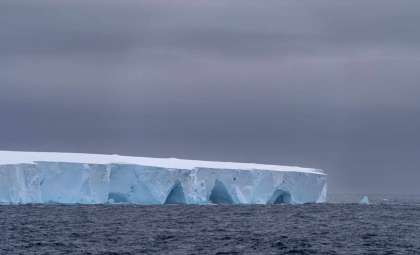
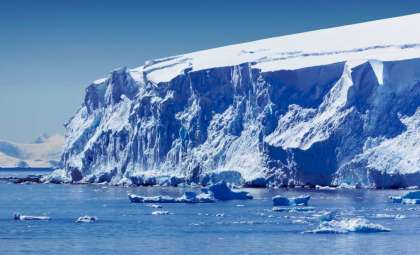
West Antarctica’s Dotson Ice Shelf has drawn worldwide interest following a remarkable discovery accompanied by a perplexing incident: the sudden vanishing of an advanced submersible that was mapping previously unseen submerged structures. This expedition blends scientific triumph with an air of mystery.
Exploring the Depths Beneath the Dotson Ice Shelf
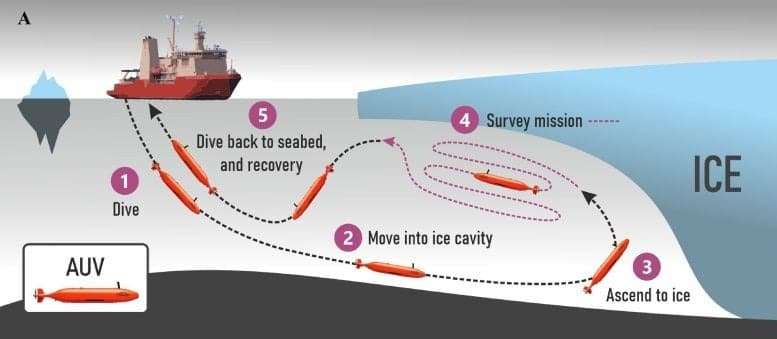
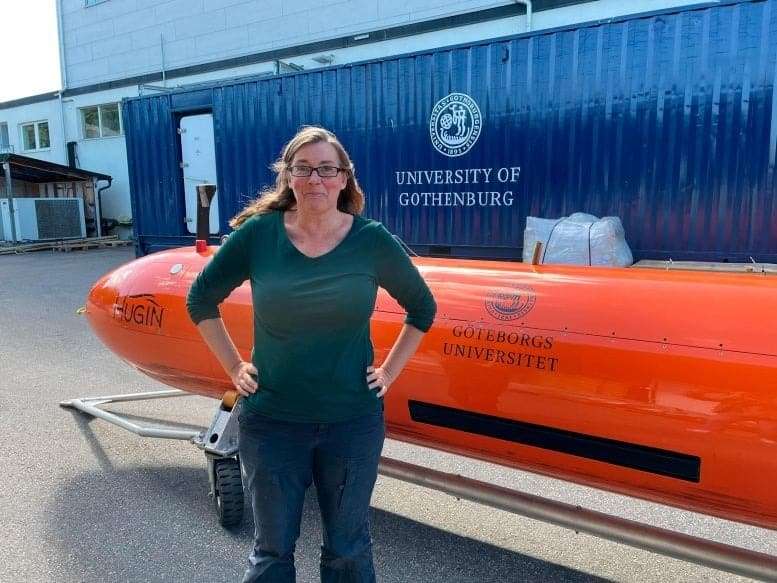
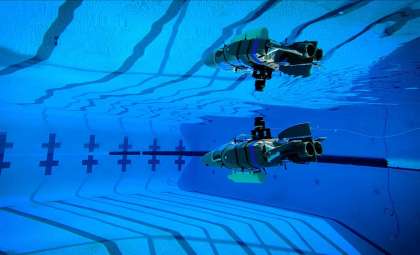
In 2022, an international research team led by oceanography specialist Anna Wåhlin set out on a challenging expedition to investigate the concealed underwater environment below the Dotson Ice Shelf. Their primary instrument was “Ran,” a cutting-edge autonomous underwater vehicle (AUV) measuring 20 feet (6.1 meters) in length. Built to endure extreme polar conditions, Ran was outfitted with sophisticated sensors and multibeam sonar technology, enabling detailed mapping of the ice base and seabed.
Over the course of 27 days, Ran covered nearly 600 miles (965.61 km) (around 1,000 kilometers), which included an ambitious 10-mile penetration into the ice shelf's hidden cavities. Among its groundbreaking revelations were:

- Distinctive teardrop shapes etched into the ice underside, likely sculpted by underwater currents.
- Complex erosion patterns on icy plateaus, showcasing dynamic water flow.
- Varied melting rates between the shelf’s eastern and western segments dictated by subsurface currents.
These insights highlight the influence of “modified Circumpolar Deep Water” (mCDW) — a water current merging flows from the Pacific and Indian Oceans — in accelerating glacial melting. This data not only enriches our understanding of Antarctic ice behavior but also stresses the urgent global challenge posed by climate change on polar regions and rising sea levels.
The Enigmatic Loss of the Submersible ‘Ran’
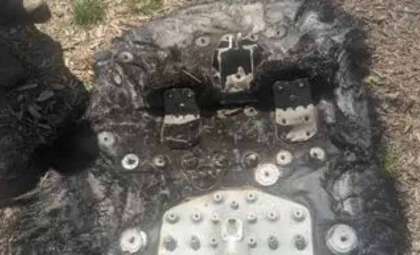
Emboldened by their initial success, the team returned to the ice shelf in early 2024 to continue their exploration. Yet, on January 20, 2024, tragedy struck during a routine dive. Ran, scheduled to resurface at a prearranged point, failed to appear. Despite extensive efforts to locate the AUV, no signs of it have been detected.
Several hypotheses have emerged to explain Ran’s mysterious disappearance:
- A possible collision with an unknown underwater formation, potentially immobilizing or damaging the vehicle.
- Unexpected interference by marine wildlife, like seals, which sometimes interact with underwater technology.
- A technical malfunction causing Ran to lose navigational control or communication amidst the harsh environment.
Reflecting on the loss, Wåhlin stated, “Antarctic expeditions are inherently difficult, but losing Ran is a major setback. Nevertheless, our research mission remains vital for understanding our planet’s evolving climate.”
Significance for Climate Science and Future Exploration
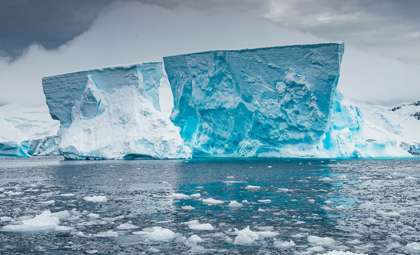
Although the disappearance of Ran is a considerable loss, the valuable measurements obtained during the 2022 mission continue to enhance scientific understanding. These results shed light on how subsurface currents influence ice shelf melting—a critical factor in stabilizing continental glaciers. Ice shelves serve as key barriers that help control the flow of glaciers into the ocean, directly affecting sea level.
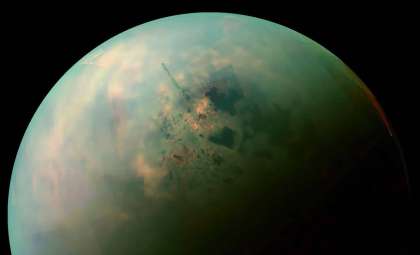
This incident also reveals technological limitations facing polar exploration. Experts urge the advancement of more resilient and adaptive underwater robots to reduce risks in future studies. Such progress could also pave the way for exploring extraterrestrial icy environments, including the moons Europa around Jupiter and Enceladus around Saturn.
The Continuing Quest into Antarctic Mysteries
Despite the difficulties, researchers remain committed to unveiling the Antarctic’s hidden depths. Insights gained through these endeavors are crucial for grasping the consequences of climate change and inspiring innovation in exploration technology.
As Wåhlin’s group persists, they stress resilience: “The frozen waters of Antarctica hold essential answers, but unlocking them requires enduring challenges.”
- Categories:
- News ,
- Climate change




0 comments
Sign in to Comment