
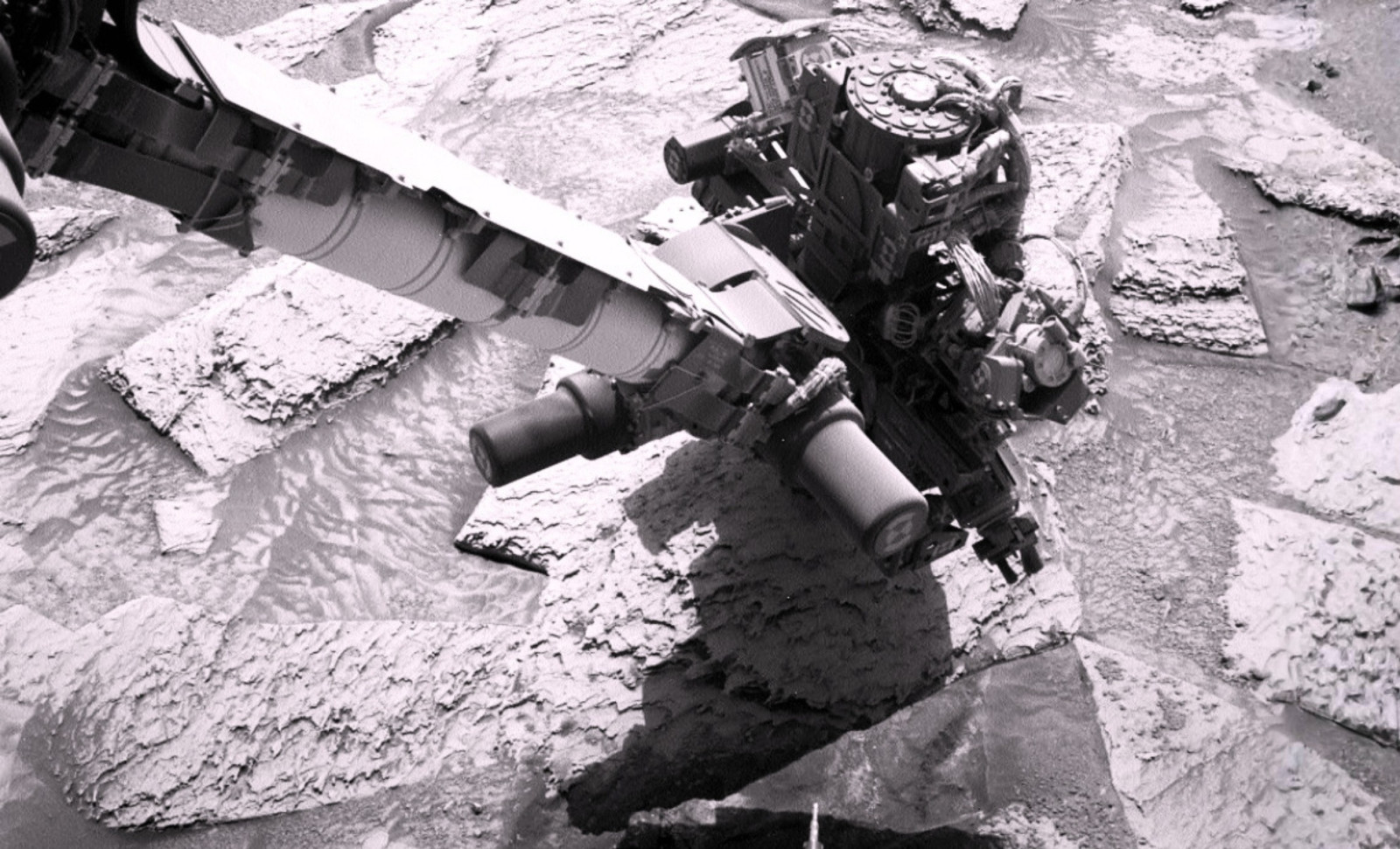
On May 11, 2026, NASA unveiled a fascinating sequence of images revealing an unusual predicament on Mars. The Curiosity rover, which has endured harsh radiation and relentless dust storms for over ten years, found itself immobilized—not due to a system error or mechanical fault—but because of a stubborn rock.
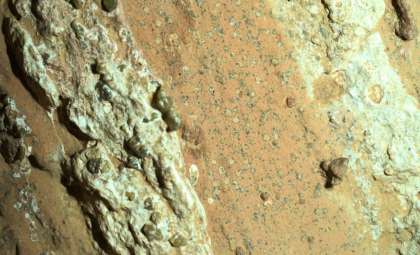
Dubbed “Atacama,” the rock measured approximately 29 pounds, stretched about 1.5 feet wide at its base, and was six inches thick. When Curiosity drilled into it on April 25 to collect a sample, the entire rock detached from the surrounding terrain and remained firmly lodged to the rover’s drill sleeve.
NASA’s Jet Propulsion Laboratory, responsible for managing this mission under the agency's Science Mission Directorate, reported this as a first in Curiosity’s over 13 years exploring Mars. Previously, drilling targets either fractured or separated naturally, but Atacama resisted both outcomes.

A Milestone in 13 Years of Drilling on Mars
Curiosity’s drill is primarily intended to pulverize rocks into powder for chemical examination, not to extricate intact slabs. When the robotic arm retracted after drilling, it inadvertently lifted the entire rock, causing it to wedge against the sleeve that stabilizes the rotating bit. Consequently, the rover was immobilized as JPL engineers began strategizing solutions from Earth, over 140 million miles away.
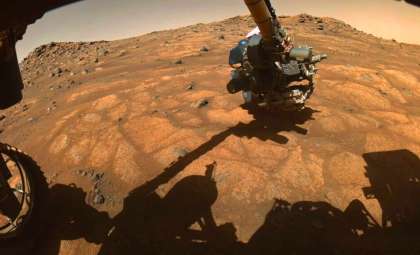
The entire event was recorded by Curiosity’s front hazard cameras and mast navigation cameras. NASA subsequently released these clips as animated GIFs on its Planetary Photojournal, featuring a time-stamped edition of the key sequence. The visuals display the rock held aloft, sand falling off during vibration attempts, and the eventual release moment.
Having faced wheel damage, software hurdles, and dust storms throughout its mission, the Atacama situation presented a unique challenge. With no direct precedents, any resolution needed to strike a balance: excessive force risked damaging the drill or robotic arm, while insufficient effort yielded no progress.
Multiple Efforts Over Six Days
The initial attempt occurred on April 25, the day Atacama attached itself. Engineers engaged the drill’s vibration function to loosen the rock, but it remained firmly attached.
On April 29, Curiosity’s arm was repositioned for another vibration sequence. Cameras documented grains of sand dislodging from the rock, indicating some structural disruption, but the boulder stayed clamped.
Victory came on May 1. Engineers angled the drill more steeply and combined rotation, vibration, and high-speed spinning in a coordinated effort. Prepared to repeat as needed, they succeeded on the first try: Atacama broke away, fell to the Martian surface, and cracked upon impact.
Understanding Atacama’s Grip
NASA’s report doesn’t specify the exact geological traits that caused Atacama’s stubborn adherence, but the sequence implies a uniquely strong mechanical link to the drill sleeve. Normally, Curiosity drills into rocks, gathers powder, and retracts while the target stays put. In this case, the rock was pulled out intact.
The ineffectiveness of vibration alone, evidenced by sand dispersing during the second attempt, shows the attachment wasn’t purely due to friction. The drill disrupted the rock internally but couldn’t sever its bond with the sleeve until a combination of steeper angles and rotational forces was applied.
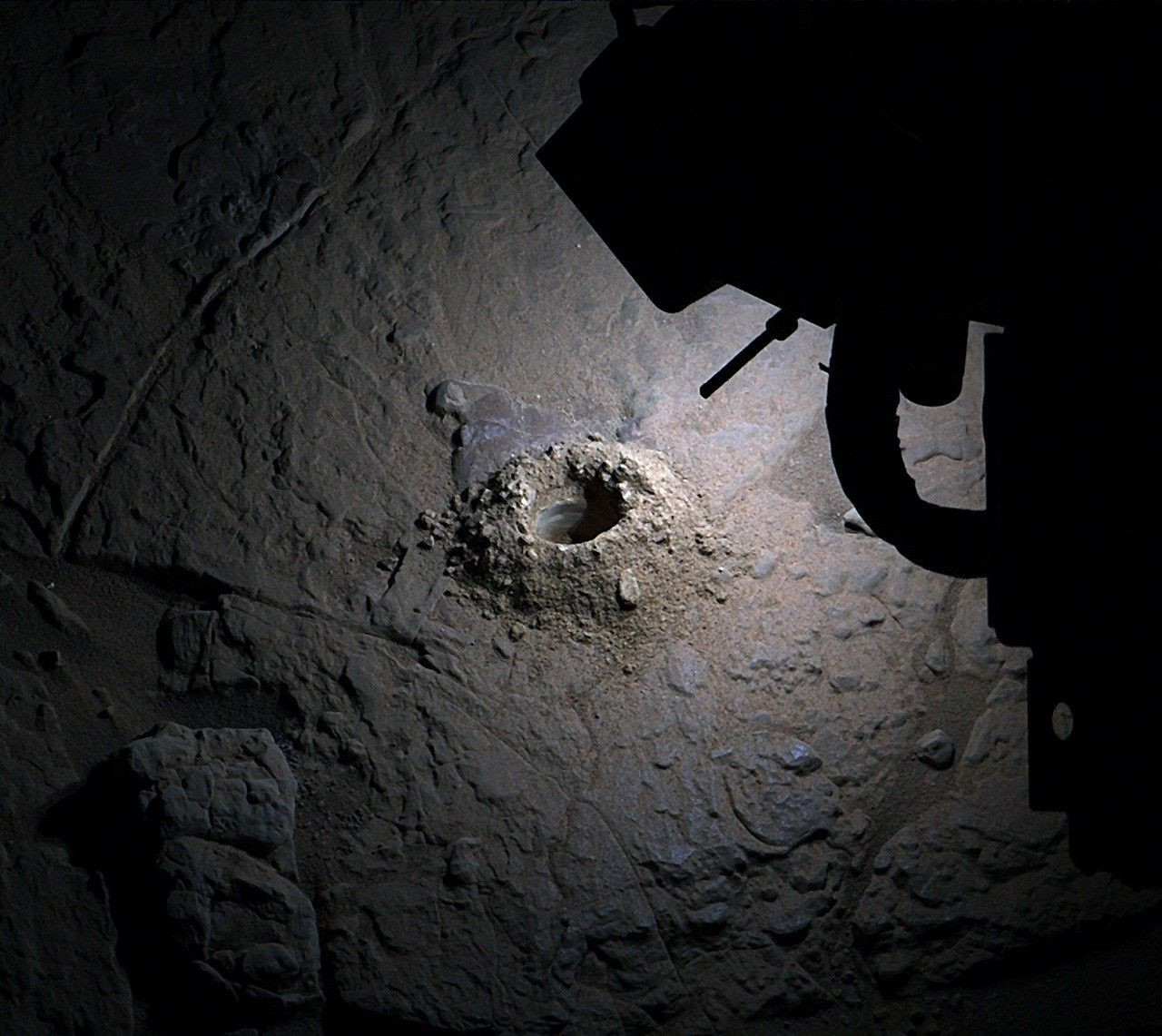
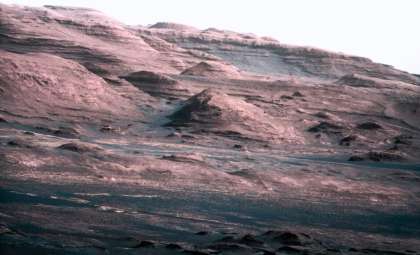
Throughout the ordeal, the rover’s cameras detailed the tightrope engineers walked. Each move risked critical damage to irreplaceable components. With no established procedures to resolve such an issue, the team carefully managed the situation while Curiosity remained parked within Gale Crater.
Curiosity’s Cameras Documented the Entire Event
NASA’s publicly shared footage provides a rare, real-time examination of mechanical difficulties unfolding on another planet. Typically, Curiosity’s camera feeds focus on terrain, atmosphere, and rock formations. This rare six-day saga of a 29-pound rock stuck to the rover presents a unique window into operational challenges.
The hazard cameras offered close-up views of the drill area and the clasped rock, while the mast navigation cameras gave broader perspectives on the arm’s positioning and movements during the process. NASA made both video angles available, including a time-lapse edition, via its Planetary Photojournal.
Once Atacama was freed and the drill verified as unharmed, Curiosity resumed standard Mars science tasks. The JPL team continued examining Gale Crater’s geology, advancing NASA’s extensive Mars Exploration Program.
- Categories:
- Science


0 comments
Sign in to Comment