
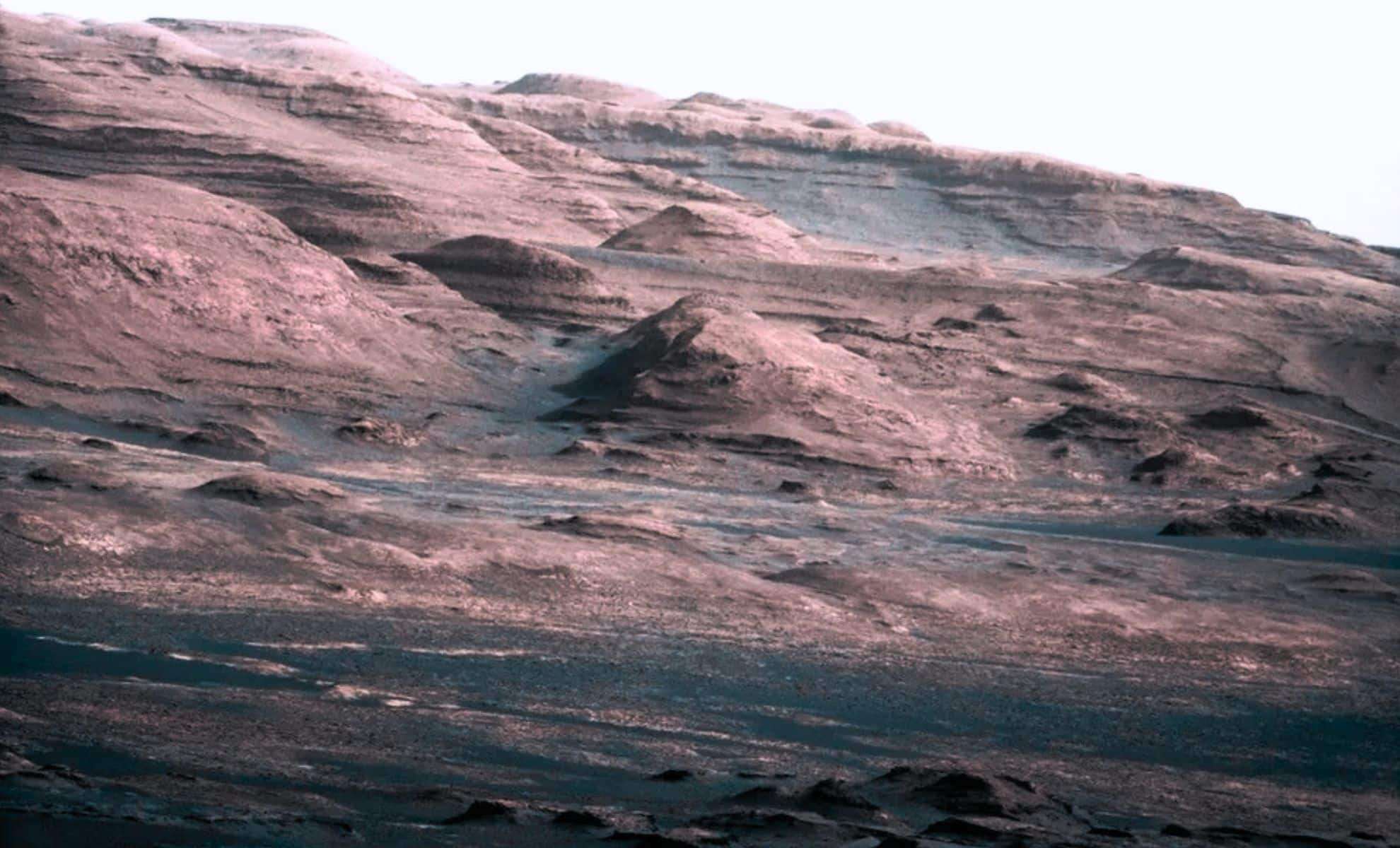
Recent discoveries by a NASA rover are reshaping our understanding of Mars and its potential to have supported life. For years, researchers have debated whether the Red Planet could have sustained living organisms, and new evidence now offers intriguing clues. The emerging data indicate that Mars might have experienced brief intervals of habitability, creating conditions suitable for life to develop. However, the question remains: did life actually emerge, or are these just promising hints?
Carbon-Rich Minerals Reveal Mars’ Historic Environment
Insights from NASA’s Curiosity rover show the presence of rocks abundant in carbon-based compounds on Mars. These minerals closely resemble those found on Earth and suggest ancient mars environments that could have contained liquid water. Carbonaceous minerals, like the calcareous rocks on Earth that sequester carbon dioxide, hint at a past when Mars had a warmer atmosphere conducive to habitability.
Found in what was once a riverbed, these carbon-rich formations point to Mars hosting temporary but substantial water bodies. This supports previous evidence of ancient lakes and flowing water channels on Mars, reinforcing the idea that the planet’s surface once sustained liquid water environments potentially conducive to life.

Ephemeral Water Episodes and Habitability
Despite these promising findings, researchers emphasize that any windows suitable for life were likely short-lived. Edwin Kite, planetary scientist at the University of Chicago and lead author of the study, explains that Mars experienced "brief spells of habitability in specific locations and times." These were rare oases in a predominantly barren and hostile planetary landscape.
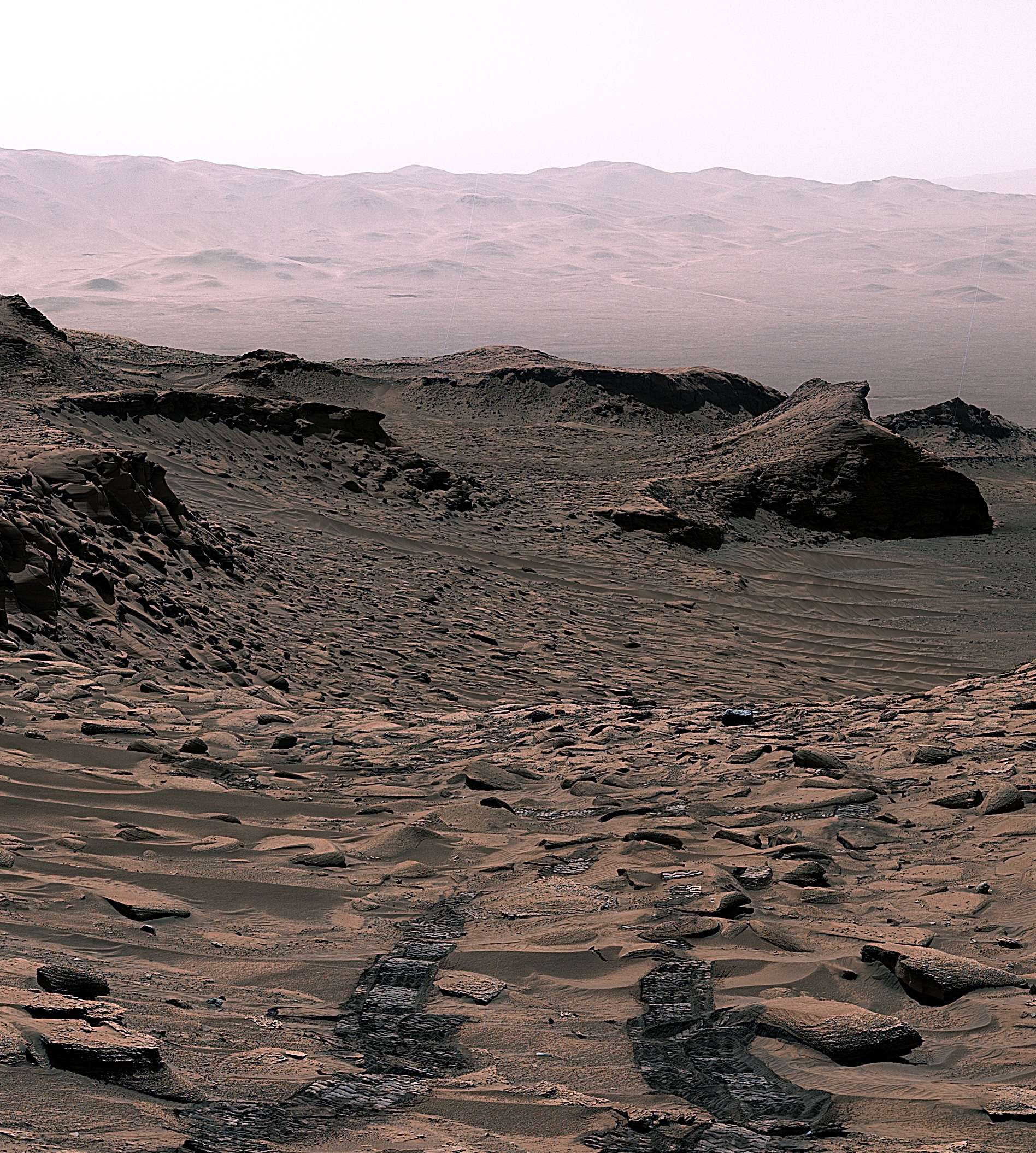
The Martian timeline reveals periods with liquid water presence, alternating with long durations of desert-like dryness lasting millions of years. This extensive aridity hindered life from developing or persisting. Scientists attribute this to Mars’ limited volcanic activity and reduced atmospheric pressure, factors that contributed to unstable conditions preventing sustained habitability.
Upcoming Mars Sample Retrieval Mission
To gain deeper insight, NASA is preparing a Mars sample return mission planned for 2033. This ambitious mission will bring Martian rock samples back to Earth for thorough examination, potentially uncovering concrete signs of ancient microbial life.
This retrieval effort is vital for determining whether Mars ever truly supported life or if environmental challenges kept the planet inhospitable over the long term. Analyzing these samples may clarify whether Mars offered suitable habitats for life's emergence or remained a harsh world too unstable to sustain it.
The search for life on Mars continues, with the upcoming mission representing a key opportunity to resolve a question that has fascinated scientists for decades and could transform future planetary exploration.
- Categories:
- Science









0 comments
Sign in to Comment