
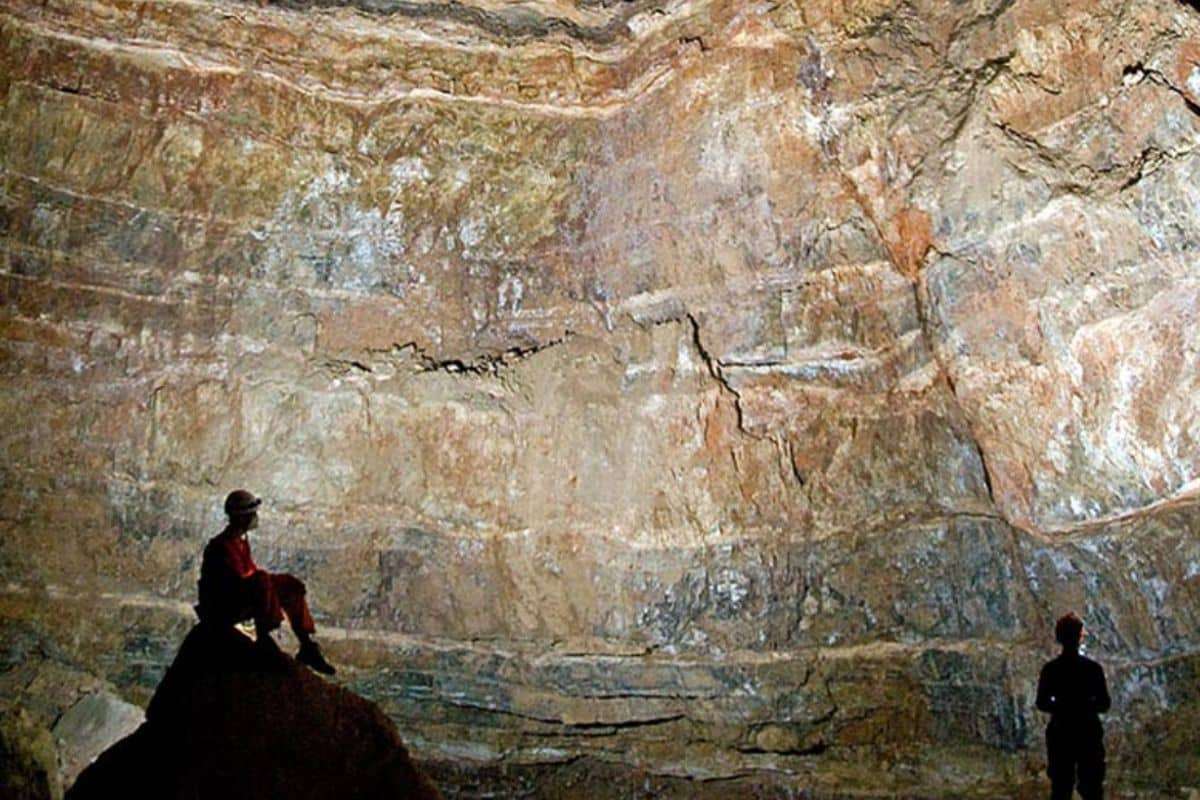
The vast, dry expanse known today as the Sahara Desert was once a thriving, verdant environment. Groundbreaking research focused on stalagmites collected from caves in southern Morocco indicates that between 8,700 and 4,300 years ago, the area experienced notably increased rainfall, fostering conditions favorable for settlement and animal husbandry.
Stalagmites as Windows into Ancient Rainfall
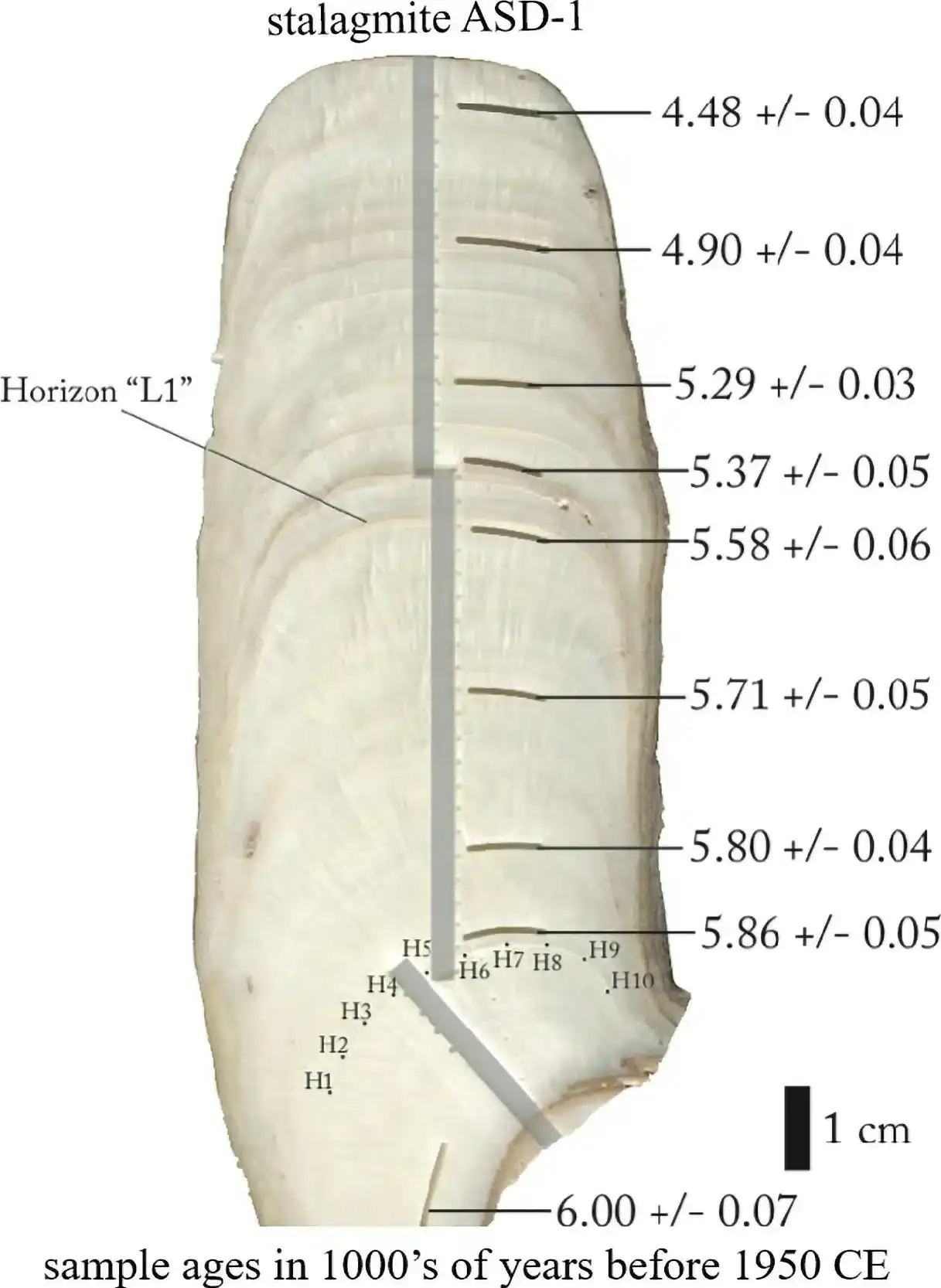
A team from the University of Oxford alongside the Institut National des Sciences de l’Archéologie et du Patrimoine investigated stalagmite formations—which develop from mineral deposits as water drips through cave ceilings. By analyzing uranium and thorium isotope decay, they accurately dated the periods of growth, revealing phases when precipitation was more abundant.
The findings verify that during the African Humid Period (AHP), the Sahara’s climate was much wetter than today. This epoch transformed the desert into a lush landscape with fewer arid tracts, renewing rivers and groundwater reserves.

Early Human Communities Flourished
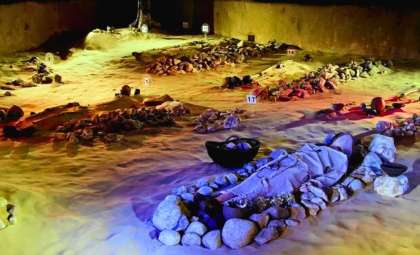
This period of increased greenery coincides with the emergence of numerous Neolithic settlements south of the Atlas Mountains. These communities thrived in the hospitable environment but diminished following the Sahara’s return to dryness.
Evidence points to these populations as pastoralists who depended on livestock grazing sustained by plentiful rainfall. Enhanced water availability allowed societies to grow, establish connections, and develop extensive networks of trade across Africa.
Tropical Airflows Sculpting the Desert
Investigating oxygen isotope ratios in the stalagmites helped the researchers identify the source of rainfall. Their data suggests moisture was delivered northward by tropical plumes, large-scale cloud systems carrying warm, humid air from tropical zones.
Additional evidence indicates the West African Monsoon penetrated deeper into the Sahara at this time. The interaction of these climatic forces effectively shrank the desert, enhancing landscape connectivity and potentially fostering advances in agriculture and animal domestication.
Implications for Future Climate Predictions
These insights into ancient climate patterns improve our understanding of possible future scenarios. If tropical plumes played a critical role in past Saharan rainfall, they may continue to influence modern weather systems. Such knowledge could guide predictions about changes in precipitation, water availability, and desertification risks in the Greater North African region.
The research also underscores the value of localized climate proxies like stalagmites, which complement broader ocean sediment data to refine reconstructions of historical environmental shifts.
Revealing the Sahara’s Transformative History
The Sahara’s history as a once-green landscape contrasts sharply with its present aridity. This study challenges the common view of the desert as an eternal wasteland and highlights climate’s significant impact on human development through millennia.
- Categories:
- Science






0 comments
Sign in to Comment