
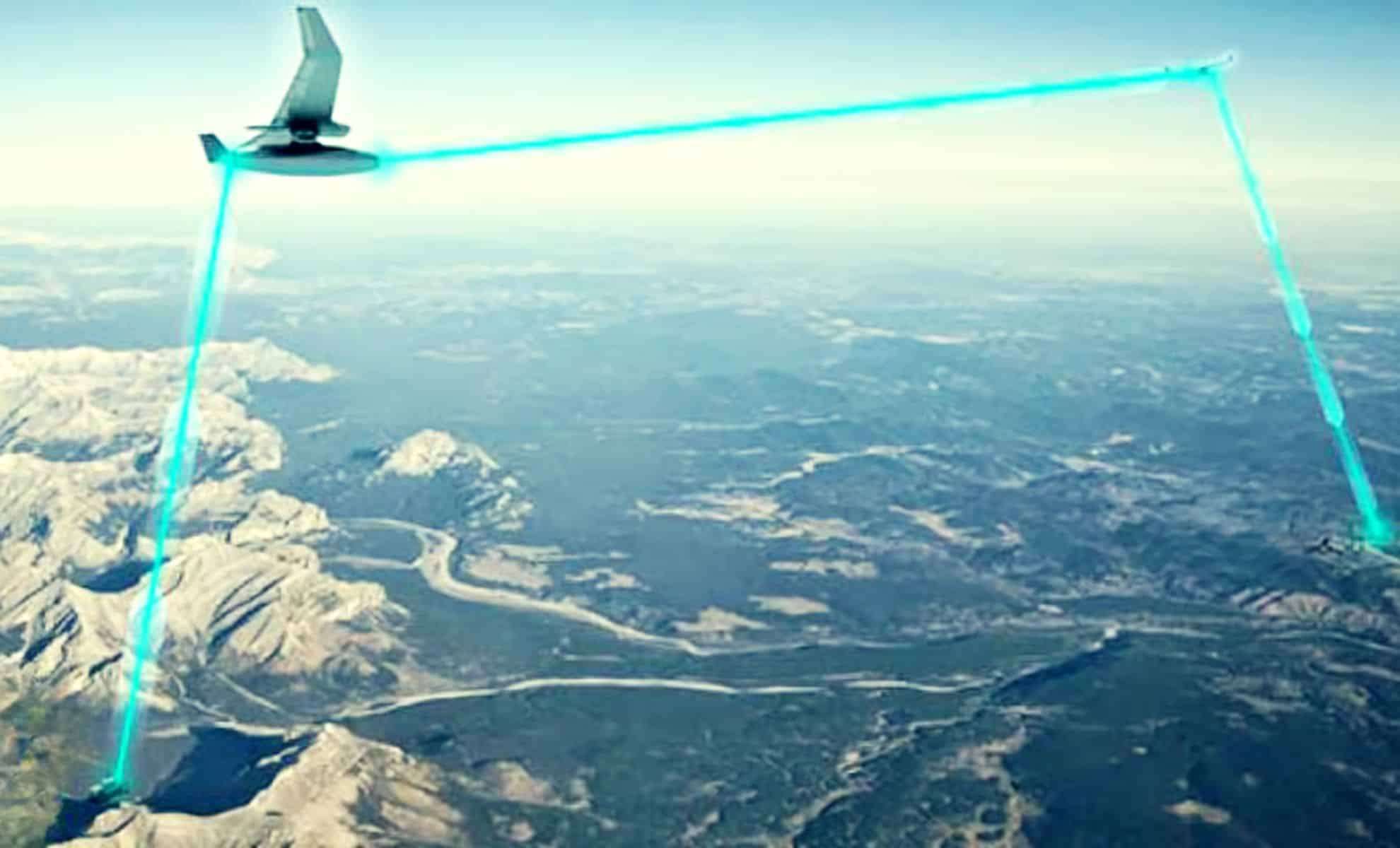
DARPA has recently made a major leap in the field of wireless energy transfer through its groundbreaking Persistent Optical Wireless Energy Relay (POWER) initiative. This program has successfully established a new distance record for beaming power using laser technology.
Breaking New Ground in Wireless Energy Transfer
The POWER program’s latest achievement showcases a novel method for transmitting electricity—leveraging lasers instead of conventional cables. By sending 800 watts of power continuously for 30 seconds across a span of 5.3 miles (8.6 kilometers), DARPA has addressed a long-standing challenge faced by military and humanitarian missions: reliable and efficient energy delivery. Traditional power grid systems often falter in remote or conflict-prone regions, but laser power beaming offers an innovative alternative capable of bridging vast distances where physical infrastructure is unfeasible. For more details, see Power beaming via laser.
How the Power Beaming System Works
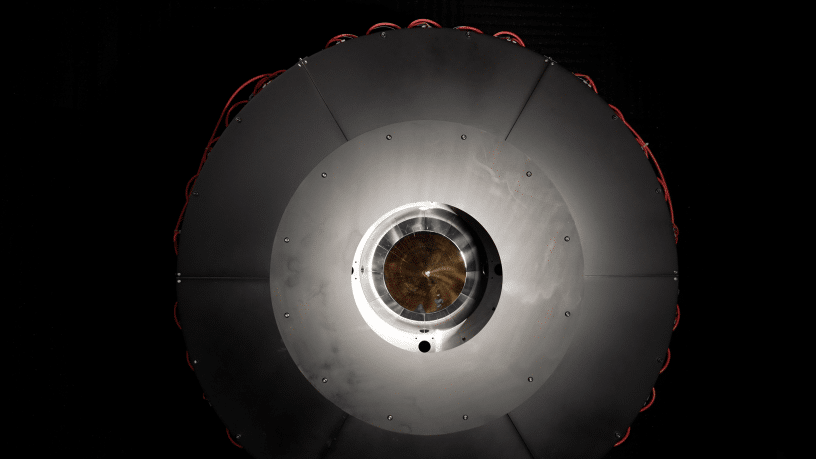
Central to the success of POWER is the Power Receiver Array Demo (PRAD), a cutting-edge apparatus designed to transform captured laser light into electrical energy. This spherical device features a small entrance aperture that collects the incoming laser beam. The light is then reflected off a parabolic mirror, which channels it onto an array of photovoltaic cells arranged inside the device. These cells convert the light into usable electricity. Although the current energy conversion efficiency stands at around 20%, improvements are anticipated as the technology progresses.

Advancing Toward Practical Long-Range Power Delivery
DARPA’s immediate aim with the POWER program is to refine this laser power transmission concept to meet real-world demands. While the latest tests positioned both laser transmitters and receivers on the ground, future iterations plan to deploy these systems on high-altitude unmanned aerial vehicles (UAVs). Elevating the equipment would reduce energy loss caused by atmospheric interference and provide power through obstacles like buildings or birds, fundamentally transforming how energy reaches isolated or hard-to-access regions. The program’s evolving phases will concentrate on enhancing precision, mitigating wavefront distortions, and improving conversion efficiency.
Looking Forward: Transformative Potential and Goals
Looking ahead, DARPA envisions equipping standard aircraft with the ability to deliver 10 kilowatts of optical energy over distances up to 125 miles (200 kilometers) by Phase Three of the program. This breakthrough could vastly improve emergency power access for remote military deployments and facilitate continuous energy supply in disaster-affected zones lacking infrastructure. According to Paul Jaffe, the POWER Program Manager, “This demonstration broke through misconceptions about the limits of power beaming technology, and it is already spurring industry to reimagine what’s possible.”
- Categories:
- News











0 comments
Sign in to Comment