
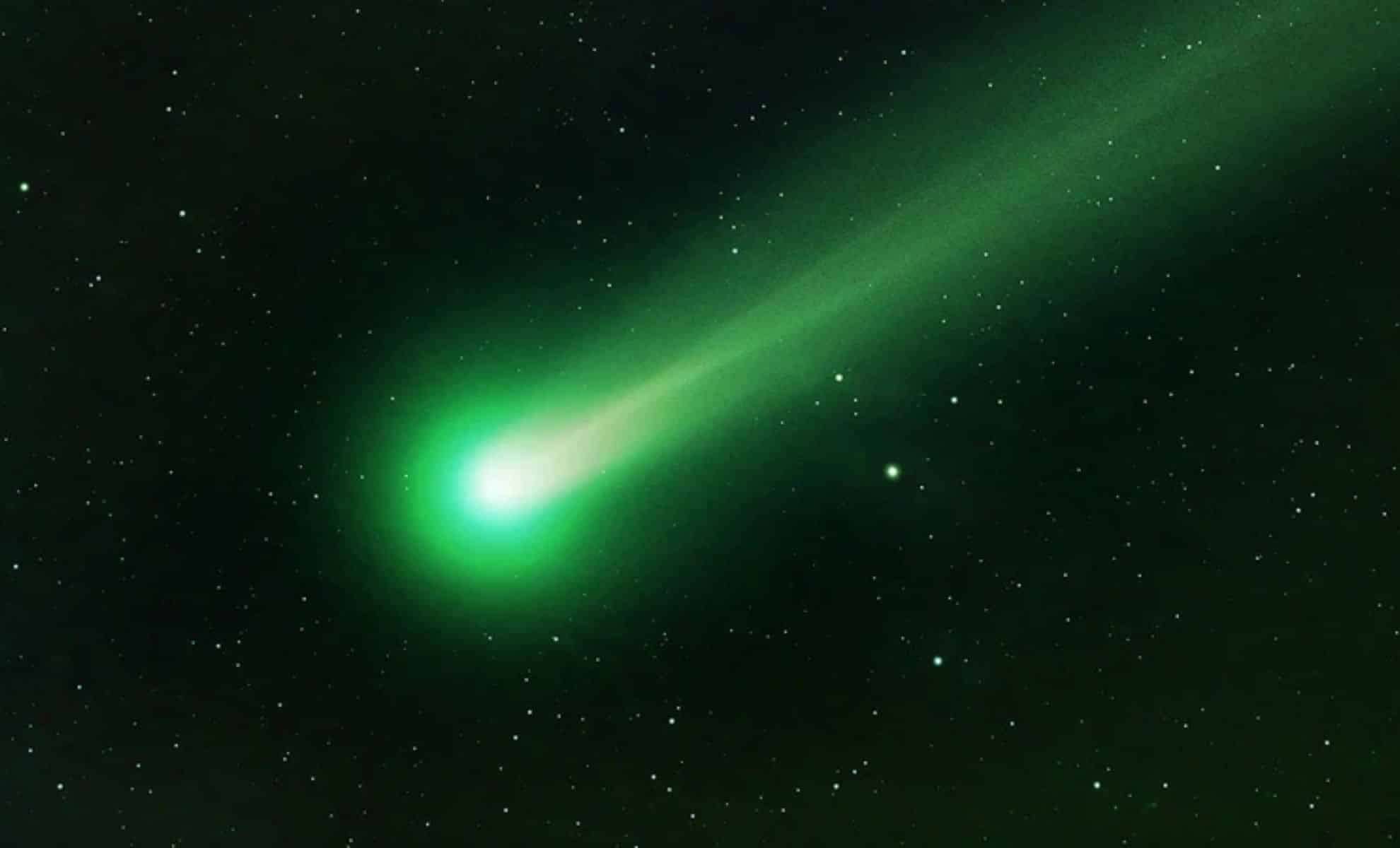
The eagerly awaited green comet that had captured the attention of stargazers worldwide tragically disintegrated before many could catch a glimpse. Identified as Comet SWAN (C/2025 F2), this icy traveler from the far reaches of our solar system was predicted to be visible just after sunset this month. However, a Phys.org report reveals that the comet likely split apart following a close solar encounter, eliminating hopes of a naked-eye sighting.
As it dims rapidly, this fragmenting comet adds to the growing list of celestial objects that fail to endure the intense heat of the Sun.
Originating in the Oort Cloud, the Comet Meets Its Demise
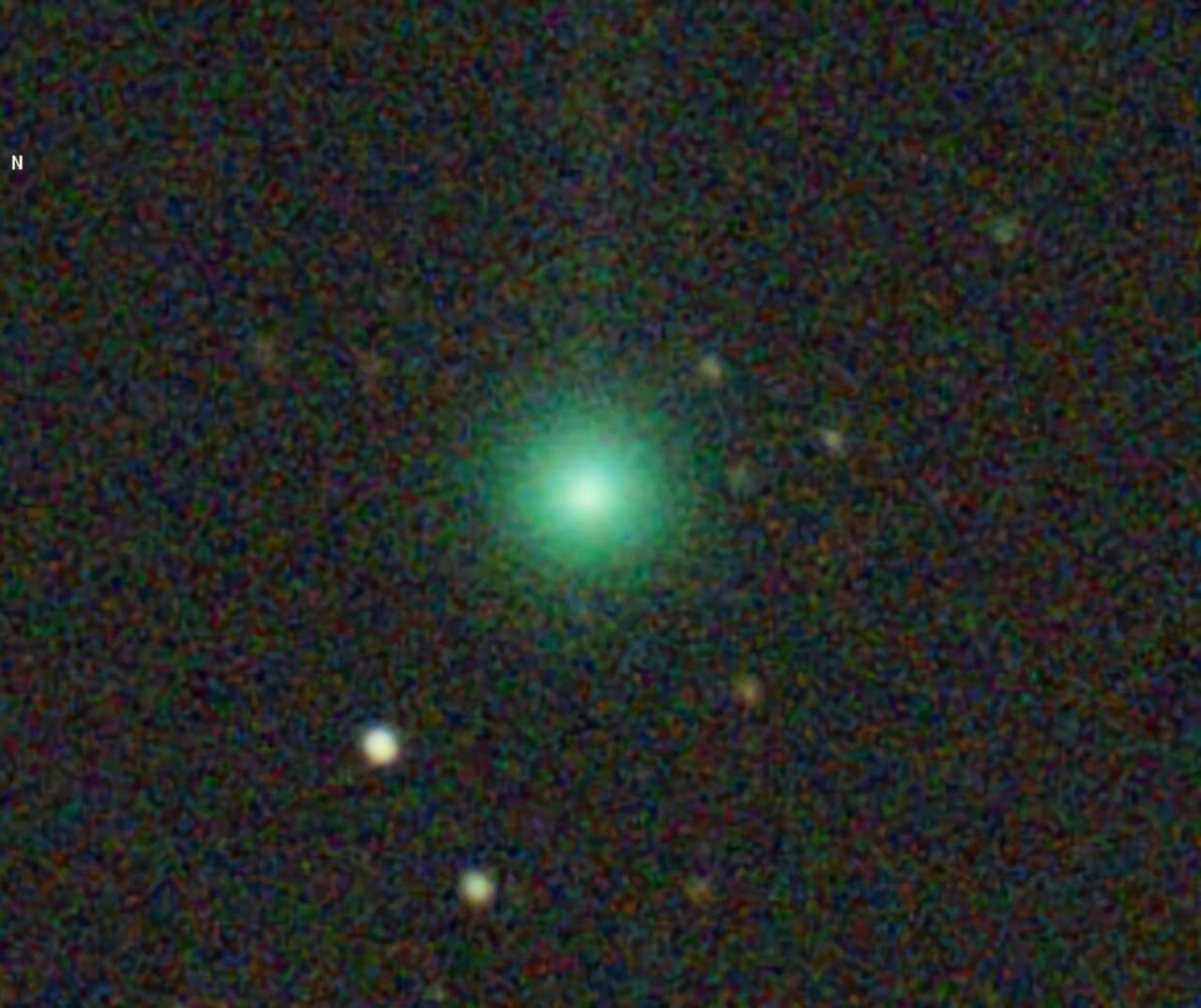
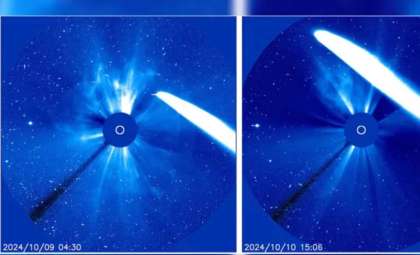
Emerging from the remote Oort Cloud — a vast outer reservoir of icy bodies enveloping the solar system — comet SWAN was first detected by amateur scientists reviewing data from a solar observation satellite co-managed by NASA and the European Space Agency. Its striking emerald glow and trailing tail made it a popular target for binoculars and telescopes alike.

Yet, its close pass near the Sun proved lethal. Astrophysicist Karl Battams at the U.S. Naval Research Laboratory explains that the comet likely fragmented under the combined effects of solar radiation and gravitational stresses.
“We’ll soon be left with just a dusty rubble pile,” Battams noted in an email.
A Missed Celestial Show for Observers
Scientists had anticipated that comet SWAN would intensify enough to be spotted with the naked eye, casting a faint glow just above the western horizon after sunset. This distinct green coloration, caused by diatomic carbon molecules fluorescing in sunlight, would have enlivened the spring night sky — for viewers under dark, clear conditions.
Regrettably, the comet’s brightness plummeted shortly after its solar close approach. Though still visible through telescopes, SWAN lacked the resilience to survive its debut journey near the Sun.
“It’s going to go so far out that we have no idea if it’s ever going to return,” Battams said, adding that this may have been SWAN’s one and only trip through the inner solar system.
Common Destiny of Fragile Solar Nomads
Comets, comprised of ice, rock, and dust, are remnants from the solar system’s formation. Their orbits sometimes bring them close to the Sun, where intense heat and tidal forces frequently cause them to break apart or vaporize. This vulnerability especially affects first-time visitors like SWAN approaching our star.
This occurrence follows a familiar pattern observed with recent comets. Whereas some, such as NEOWISE (2020) and Hale-Bopp (1997), delighted observers with spectacular displays, others like Atlas (2020) and now SWAN, have sadly failed to meet expectations for brilliance.
- Categories:
- News










0 comments
Sign in to Comment