
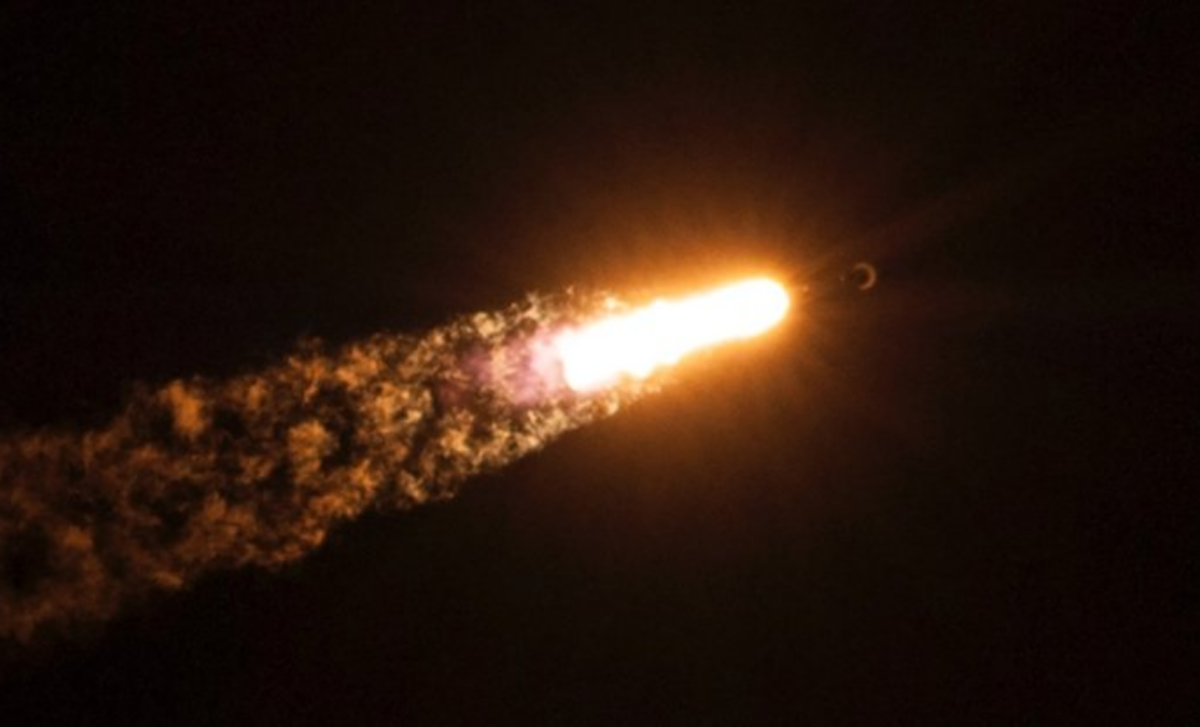
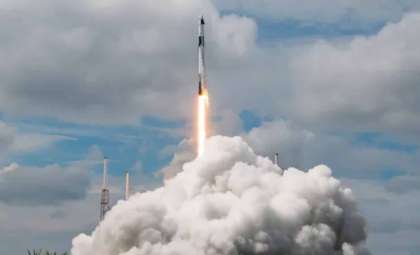
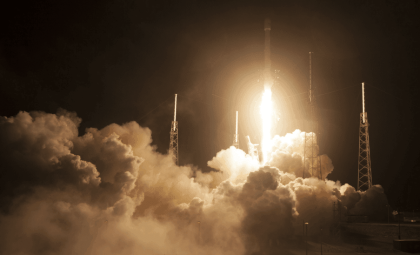
An abandoned SpaceX Falcon 9 upper stage is on a direct trajectory toward the Moon, signifying a rare event that highlights increasing worries over space debris. Tracking efforts from Project Pluto indicate that the rocket fragment, designated 2025-010D, is forecasted to impact the lunar surface on August 5. This event presents a unique scientific opportunity while also spotlighting the growing influence of human-made debris in cislunar space.
A Quiet Drift Towards the Lunar Surface
This piece of rocket hardware entered space during a Falcon 9 mission carrying a variety of payloads, including private lunar landers. After fulfilling its role deploying these missions, the upper stage was left to orbit freely, its path gradually altered by gravitational interactions. Over an extended period, these forces shifted its route into one intersecting the Moon, a course carefully monitored by astronomers like Bill Gray, the developer of the Project Pluto tracking platform.
“The motion of space junk is mostly quite predictable; it simply moves under the influence of the gravity of the earth, moon, sun, and planets,” Gray wrote.
Add Cosmo Herald as a Preferred Source

This predictability enabled astronomers to pinpoint the impact timing and location with impressive accuracy, despite the object’s prolonged drift through space near the Earth-Moon system.
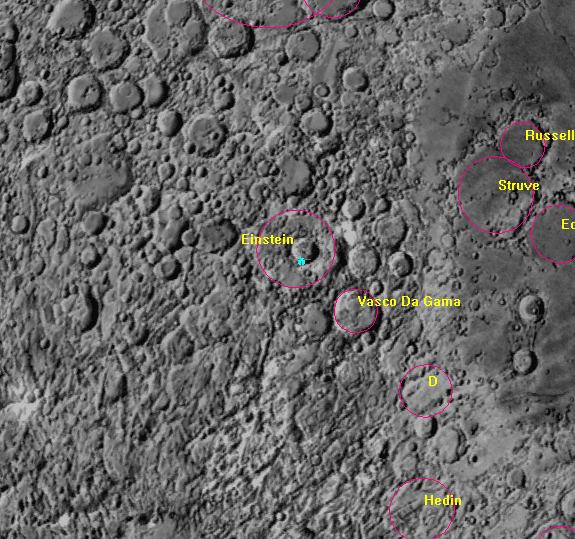
The predicted impact is near the Moon’s illuminated limb, a region observable from Earth when conditions allow. Although this raises hopes of detecting the event, prior experiences such as those with NASA’s LCROSS mission suggest visible evidence may be minimal. Unlike planned impacts, this collision is accidental, increasing uncertainty around observation feasibility.
Research Potential or a Sign of Space Negligence?
The upcoming collision poses no threat to Earth or currently active lunar missions. However, it brings to light critical questions about the stewardship of spent spacecraft and hardware once missions have concluded. Bill Gray emphasizes the need to address ongoing issues related to space debris disposal.
“It doesn’t present any danger to anyone, though it does highlight a certain carelessness about how leftover space hardware (space junk) is disposed of,” Gray stated, underscoring the broader challenges posed by lingering orbital debris.
While the Moon’s vast surface offers ample unoccupied areas, the rise in human and robotic activity increases the risk of uncontrolled impacts complicating scientific research or damaging installations. The fact that this object meandered in space for over a year before striking the Moon illustrates ongoing difficulties in long-term orbital management.
The Impact and Its Implications
Upon colliding with the lunar surface, the Falcon 9 upper stage is expected to create a modest crater, showering nearby terrain with ejecta. While its effects will be minor compared to natural asteroids, the event remains valuable for scientific analysis of impact processes and lunar geology.
There is a slight possibility that orbiters around the Moon might observe the resulting debris cloud. Although the chance of interference with lunar spacecraft is minimal, mission teams are closely monitoring the event’s timing and location. Lessons from this incident could inform risk mitigation strategies for future lunar operations as traffic around the Moon grows.
This episode reveals how routine space missions can have extended consequences beyond their immediate objectives, illustrating the unpredictable aftereffects of orbiting hardware left unchecked.
Increasing Lunar Crowding and Future Risks
As lunar exploration intensifies, driven by efforts from NASA, China, and commercial entities, the near-Moon environment becomes progressively congested. The combination of dormant hardware and active missions creates a complex operational landscape requiring vigilant management.
Gray warns that although current risks are manageable, rapid growth in lunar activities could elevate stakes considerably, making accidental impacts more damaging and disruptive.
This event serves as a glimpse into future challenges humanity faces in managing its expanding extraterrestrial presence. Beyond a single collision, it highlights the importance of developing sustainable practices and policies to govern space operations for decades ahead.
- Categories:
- News






0 comments
Sign in to Comment