
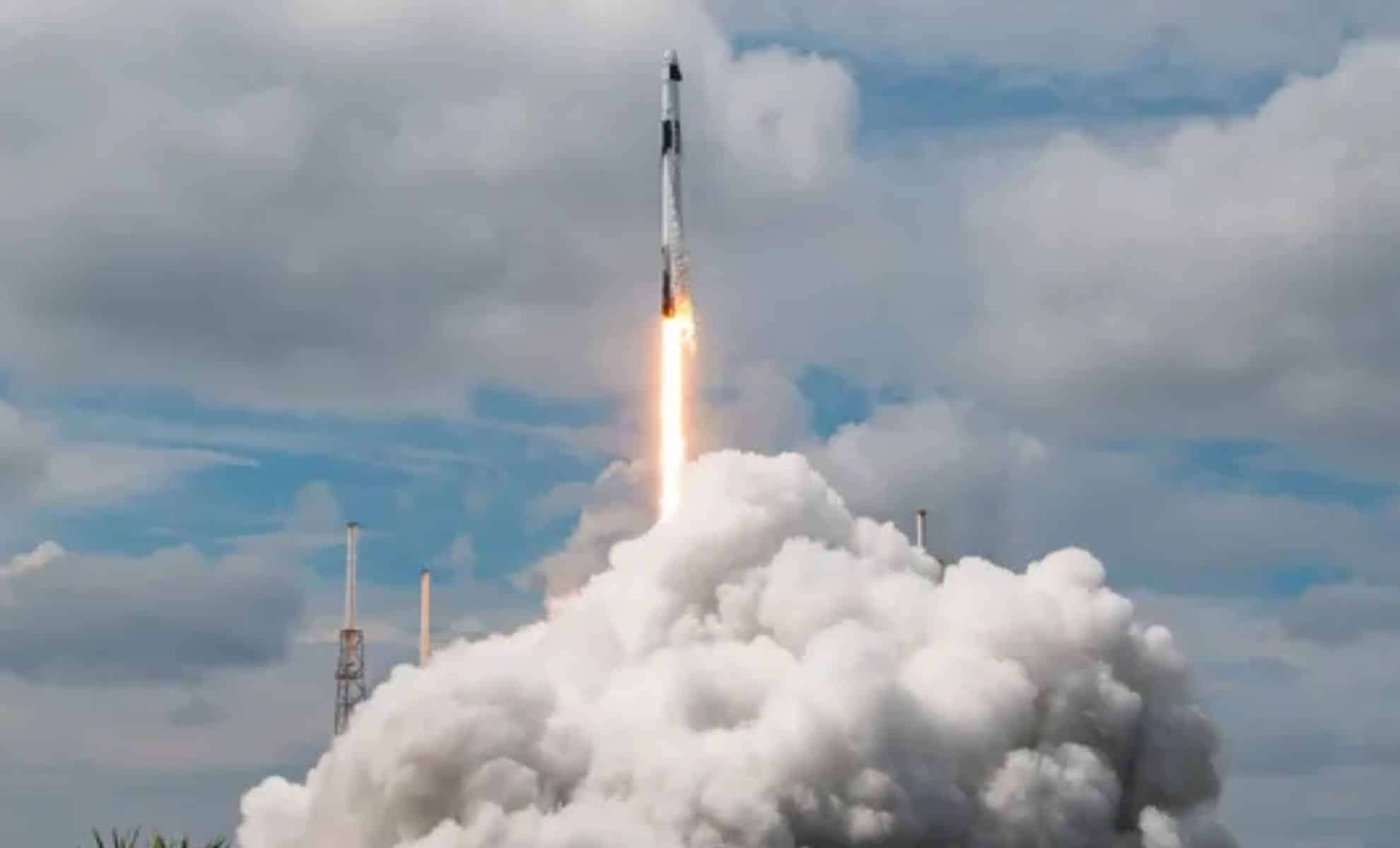
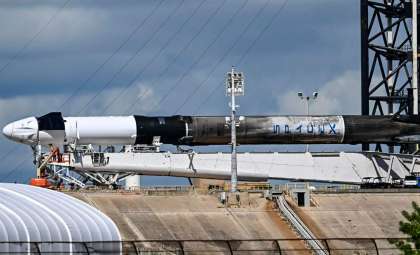
SpaceX has received regulatory approval from the Federal Aviation Administration (FAA) to restart normal Falcon 9 launches after an investigation into an upper stage anomaly during the Crew-9 mission on September 28, 2024.
The FAA had temporarily suspended Falcon 9 flights to examine the incident where the rocket’s upper stage reentered Earth's atmosphere beyond its intended disposal region. After completing their review and confirming corrective steps, the administration has cleared SpaceX to proceed with scheduled launches.
Review of Falcon 9’s Upper Stage Incident
The pause in Falcon 9 flights was prompted by the anomaly during the Crew-9 mission late last September. While the mission itself went smoothly, the upper stage did not perform its expected deorbit burn, causing it to enter the atmosphere above the South Pacific Ocean outside the designated zone. This deviation led the FAA to suspend launches pending a thorough investigation aimed at safeguarding public safety.

The FAA confirmed it has reviewed and approved SpaceX’s investigative results and the measures implemented to prevent similar events. “On October 11, the FAA informed SpaceX that Falcon 9 is authorized to resume normal flight operations,” the agency commented. Although SpaceX has kept detailed investigation findings under wraps, the company affirmed that the problem was satisfactorily addressed according to FAA standards.
The big FAA license news today is… they have cleared Falcon 9 to return to flight.
“The FAA notified SpaceX on Oct. 11 that the Falcon 9 vehicle is authorized to return to regular flight operations. The FAA reviewed and accepted the SpaceX-led investigation findings and…
— Jeff Foust (@jeff_foust) October 11, 2024
This event represented the third Falcon 9 anomaly within a roughly three-month span, raising questions about the reliability of the rocket. Previous issues included a July 11 upper-stage propellant leak that destroyed 20 Starlink satellites, and an August 28 failed booster landing following a Starlink deployment. Despite these challenges, SpaceX implemented fixes and successfully returned to flight after each instance.
Resuming Falcon 9 Launch Activities
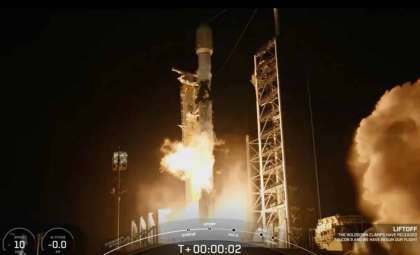
Although the FAA grounded Falcon 9 launches overall, they granted a special exemption for SpaceX to launch the ESA Hera asteroid mission on October 7, as the flight’s upper stage did not require a reentry maneuver. The Hera launcher, intended to analyze the impact aftermath from NASA’s DART asteroid deflection test, was successfully deployed without complications.
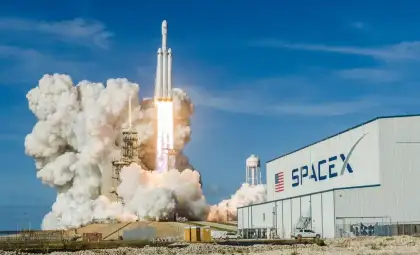
With the suspension lifted, SpaceX is gearing up to recommence its pipeline of Falcon 9 missions. While no specific date has been announced for the next Falcon 9 launch, preparations continue for major flights, including NASA’s Europa Clipper mission, slated for liftoff aboard the Falcon Heavy this October.
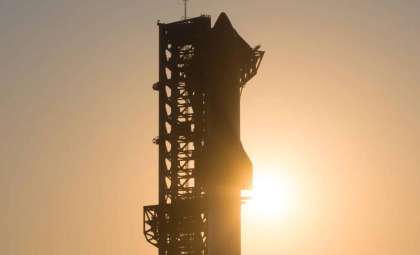
Alongside Falcon 9 operations, SpaceX is advancing toward the fifth test flight of its Starship megarocket, designed for deep space travel to destinations like the Moon and Mars. This Starship launch, anticipated for October 13, remains contingent on final FAA approval, though SpaceX is confident all regulatory green lights will be in place. The company has already issued warnings to secure airspace and maritime zones for the upcoming launch window.
SpaceX’s Strategy and Outlook
SpaceX has responded rapidly to each Falcon 9 incident, stressing its dedication to balancing frequent launch schedules with stringent safety protocols. The Falcon 9, known for reusability, continues to be SpaceX’s primary vehicle to deploy Starlink satellites, crewed NASA flights, and commercial payloads. Ensuring its dependable performance remains critical to the company’s mission success.
Attention is also turning toward the advancement of SpaceX’s Starship, which aims to transform human space travel. With its design focused on long-duration missions to the Moon, Mars, and beyond, Starship is central to SpaceX’s ambition of making humanity a multiplanetary species. The upcoming Starship trial, pending FAA endorsement, will be a key milestone on this path.




0 comments
Sign in to Comment