
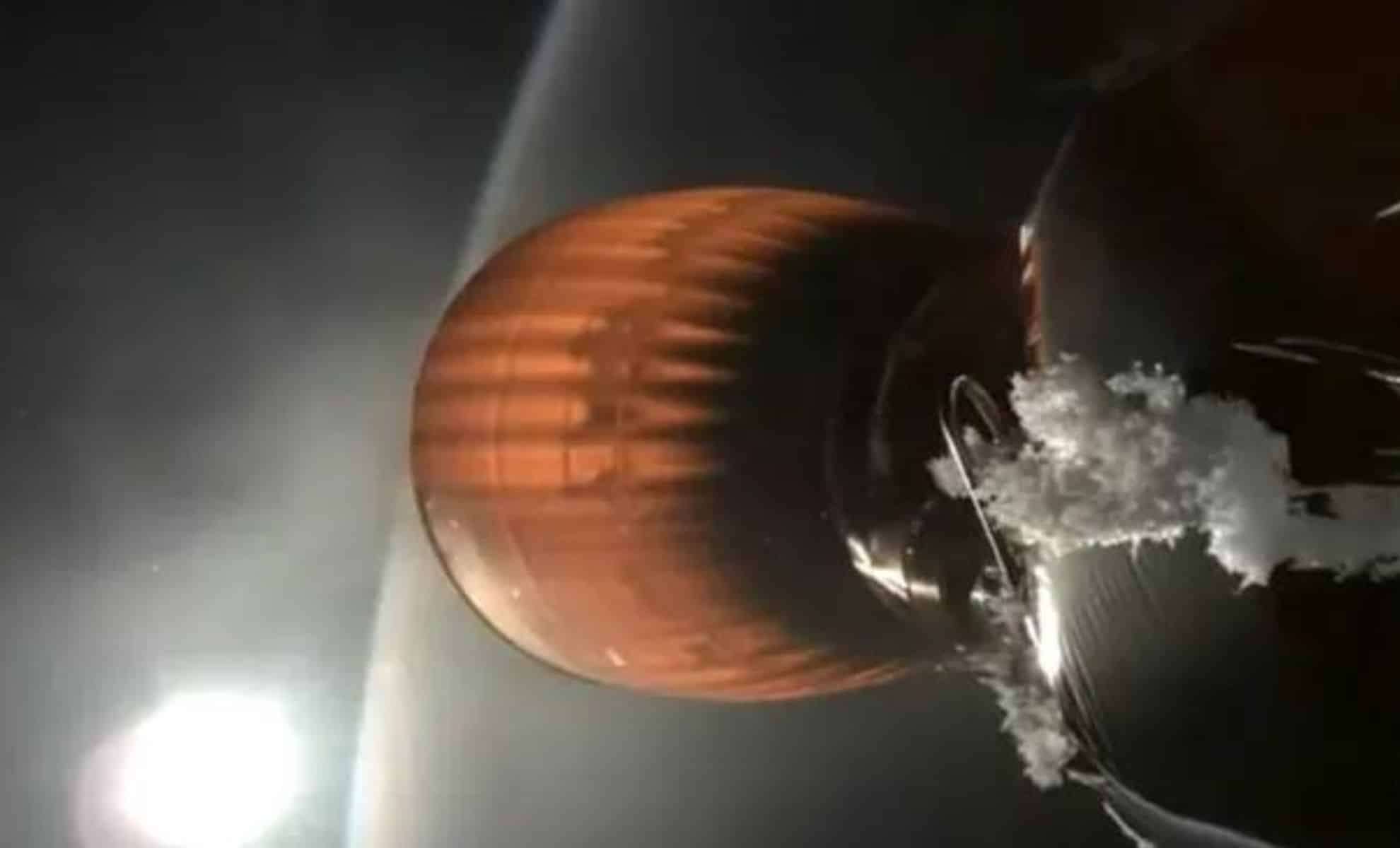
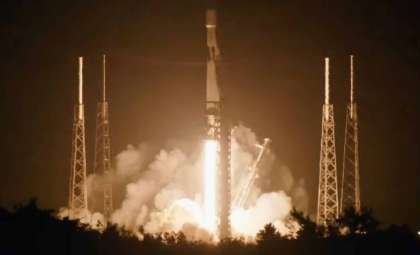
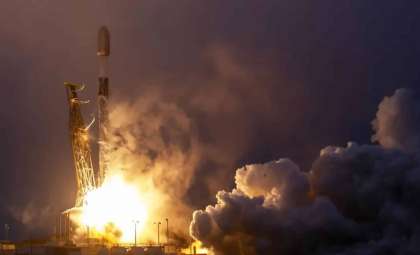
On Thursday evening, SpaceX's Falcon 9 rocket encountered an unexpected issue during its launch from Vandenberg Space Force Base in California.
The launch aimed to place 20 Starlink satellites into low Earth orbit but faced difficulties when the rocket's upper stage malfunctioned, resulting in satellites entering a lower orbit than originally intended.
Launch Progress and Initial Milestones
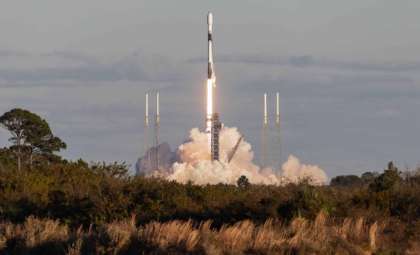
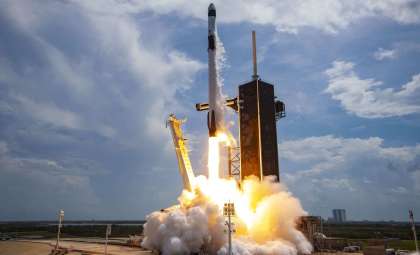
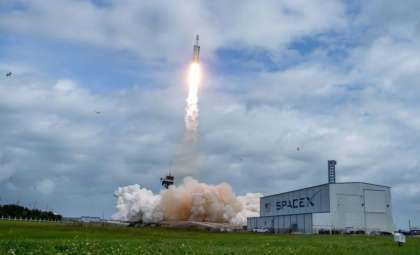
The mission began smoothly, with the Falcon 9 lifting off without incident and its two stages separating as scheduled. The first stage accomplished a successful landing on the drone ship “Of Course I Still Love You” approximately eight minutes after liftoff. This achievement marked the 19th launch and recovery for this particular booster, showcasing SpaceX’s advanced capabilities in rocket reusability. The repeated use of this booster across numerous flights highlights the Falcon 9's design reliability and durability while helping reduce launch expenses and increase launch cadence.

Complications arose with the rocket's upper stage, which is tasked with delivering payloads to their target orbit. The critical second burn of the upper stage did not complete due to an engine failure. CEO Elon Musk shared details: “Upper stage restart to raise perigee resulted in an engine RUD for reasons currently unknown. Team is reviewing data tonight to understand root cause. Starlink satellites were deployed, but the perigee may be too low for them to raise orbit. Will know more in a few hours.” RUD or "rapid unscheduled disassembly" indicates a severe engine malfunction likely caused by catastrophic damage.
Upper stage restart to raise perigee resulted in an engine RUD for reasons currently unknown. Team is reviewing data tonight to understand root cause.
Starlink satellites were deployed, but the perigee may be too low for them to raise orbit. Will know more in a few hours.
— Elon Musk (@elonmusk) July 12, 2024
Details on Upper Stage Failure and Satellite Status
The inability of the upper stage to perform its second engine burn forced the 20 Starlink satellites to be inserted into an orbit lower than their optimal altitude. This presents a challenge, as the satellites must utilize their onboard ion propulsion systems to climb to the intended orbit. So far, SpaceX has successfully established contact with five of the satellites and is working to activate their thrusters to raise their altitude beyond the Earth's atmospheric drag, which could otherwise cause premature orbital decay. Elon Musk humorously remarked, “We’re updating satellite software to run the ion thrusters at their equivalent of warp 9. Unlike a Star Trek episode, this will probably not work, but it’s worth a shot.”
This incident highlights the complexity of space operations and the importance of advanced onboard technology. The ion thrusters are critical for orbital positioning and collision avoidance, enabling the Starlink satellites to maintain their intended constellation formation despite this early setback.
Consequences for Upcoming Falcon 9 Flights
This anomaly represents a rare event for the Falcon 9 rocket, which has built a reputation for reliability and cost-effective reuse. The vehicle has completed 69 launches so far in 2024, serving as the backbone of SpaceX's deployment efforts, particularly for expanding the global Starlink satellite network. Every successful mission brings the company closer to its goal of offering worldwide high-speed internet access, including to remote and underserved populations.
This flight was notable for carrying Starlink satellites outfitted with direct-to-cellphone communication capabilities. These advances are expected to revolutionize mobile internet connectivity worldwide, especially for areas lacking traditional networks. The integration of such sophisticated technology underscores SpaceX's leading role in innovation within satellite telecommunications.
Despite the setback, SpaceX's prompt and transparent response demonstrates its dedication to continuous improvement. A thorough investigation of the root causes is underway, involving analysis of telemetry and detailed inspection of upper stage components to prevent recurrence in future launches.
- Categories:
- Astronomy ,
- News ,
- Space ,
- Aircraft





0 comments
Sign in to Comment