
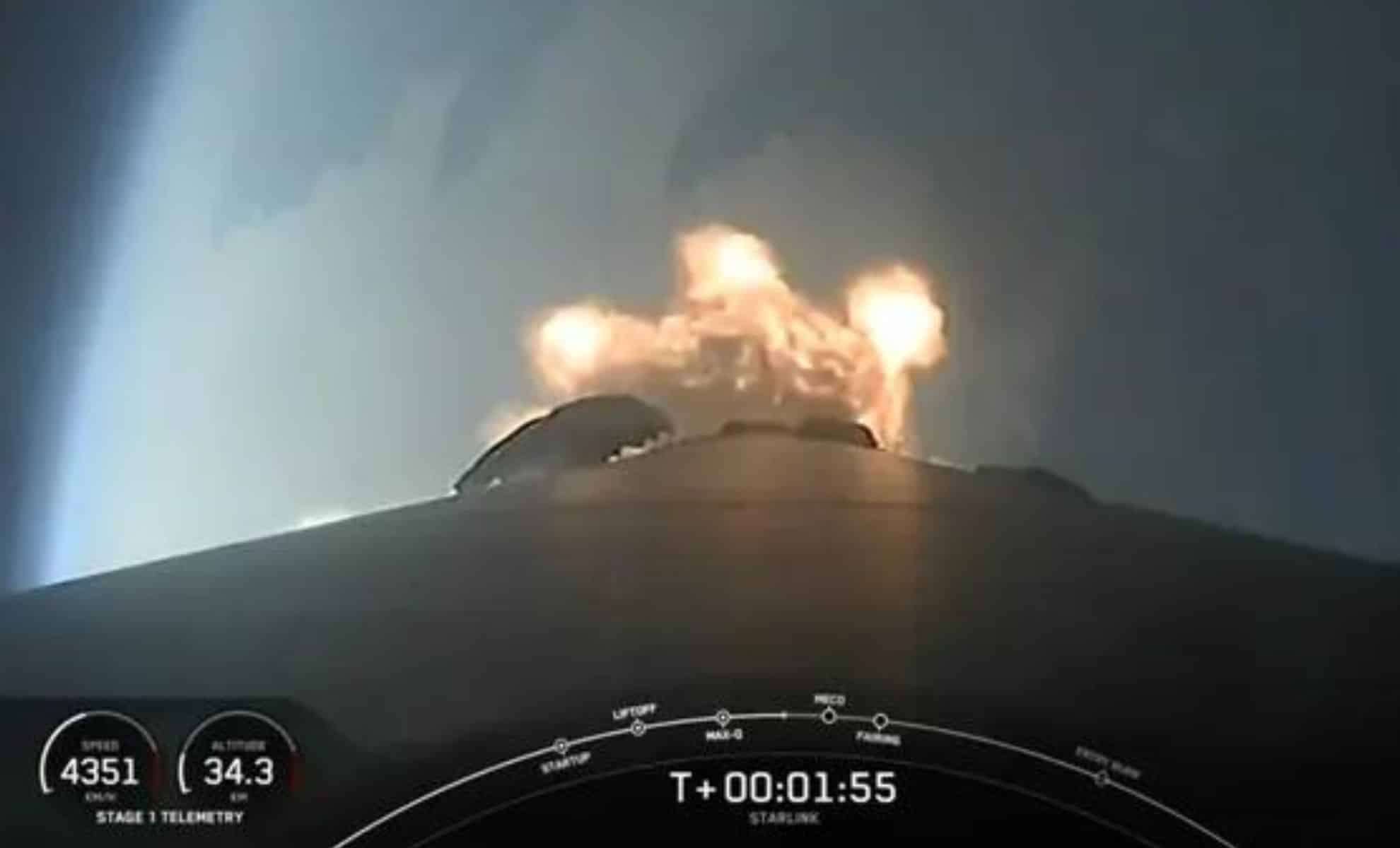
The Federal Aviation Administration (FAA) has launched an inquiry following a Falcon 9 rocket malfunction encountered during the July 11, 2024 launch of 20 Starlink satellites.
During the mission from Vandenberg Space Force Base, the failure of the rocket’s upper stage engine to complete its second burn caused the satellites to be placed in a lower orbit than planned. This glitch raises questions about the safety and dependability of future SpaceX missions.
Insights Into the Falcon 9 Launch Complication
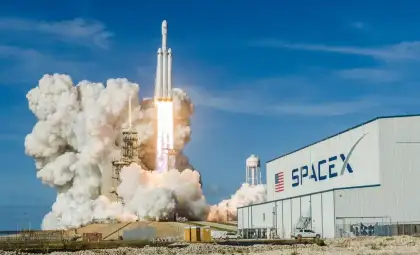
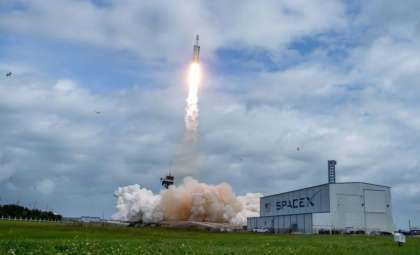
The Falcon 9 vehicle took off from Vandenberg Space Force Base in California, carrying a payload of 20 Starlink internet satellites. Around one hour post-launch, the crucial second-stage engine, designed to propel the satellites into their target orbit, failed to relight. This mishap led to satellites entering an orbit too close to Earth, increasing the risk of atmospheric re-entry and destruction. SpaceX has successfully established communication with five of the satellites and is attempting to elevate their orbits using onboard ion thrusters.

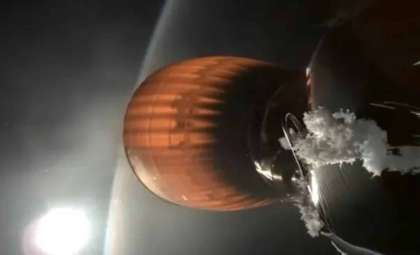
Elon Musk, CEO of SpaceX, shared on X (formerly Twitter) that the engine’s attempt to restart led to an engine “rapid unscheduled disassembly” (RUD), indicating a sudden failure akin to an explosion. Musk humorously added, “We’re updating satellite software to run the ion thrusters at their equivalent of warp 9. Unlike a Star Trek episode, this will probably not work, but it’s worth a shot.” This incident represents a rare significant setback in Falcon 9’s otherwise reliable history of 354 missions.
We’re updating satellite software to run the ion thrusters at their equivalent of warp 9.
Unlike a Star Trek episode, this will probably not work, but it’s worth a shot.
The satellite thrusters need to raise orbit faster than atmospheric drag pulls them down or they burn up.
— Elon Musk (@elonmusk) July 12, 2024
The failure of the upper-stage engine is especially troubling as it compromises the satellites’ ability to reach their designated orbit, an essential factor for the Starlink constellation’s success in delivering worldwide internet access. This setback highlights the challenges of spaceflight, even for a company known for a reliable launch record.
FAA’s Investigation and Oversight
The FAA has taken a central role in examining this incident to uphold safety and verify the dependability of SpaceX’s launch operations. The agency is overseeing the investigation and will need to approve any corrective actions proposed by SpaceX. According to an FAA statement, “The FAA is aware an anomaly occurred during the SpaceX Starlink Group 9-3 mission that launched from Vandenberg Space Force Base in California on July 11 … The incident involved the failure of the upper stage rocket while it was in space. No public injuries or public property damage have been reported. The FAA is requiring an investigation.”
This thorough investigation will identify the root cause of the malfunction and confirm that the necessary improvements are implemented prior to SpaceX resuming launches. The FAA will analyze SpaceX’s internal findings, scrutinize launch data, and ensure robust corrective measures are enforced to prevent recurrence.
Consequences for Upcoming SpaceX Flights
This event is the first major anomaly for the Falcon 9 since a 2015 ground explosion in Florida. Despite this issue, Falcon 9 remains a highly successful platform with over 350 launches, including 13 crewed missions to the ISS. Future missions, like the private Polaris Dawn venture and NASA’s Crew-9 flight, may face scheduling impacts due to this investigation.
Jared Isaacman, the entrepreneur backing and piloting Polaris Dawn, expressed trust in SpaceX’s capacity to resolve the problem swiftly. He stated, “SpaceX has an incredible track record with Falcon 9. I can say from personal experience they are very transparent when issues arise. I have no doubt they will arrive at a cause quickly and ensure the most cost-effective and reliable launch vehicle keeps delivering payload to orbit.”
This incident underscores the importance of enhanced safety standards and ongoing technological advancement in spaceflight. SpaceX’s prompt identification and correction of the issue will be essential to maintain client confidence and safety standards in the evolving landscape of space exploration.





0 comments
Sign in to Comment