
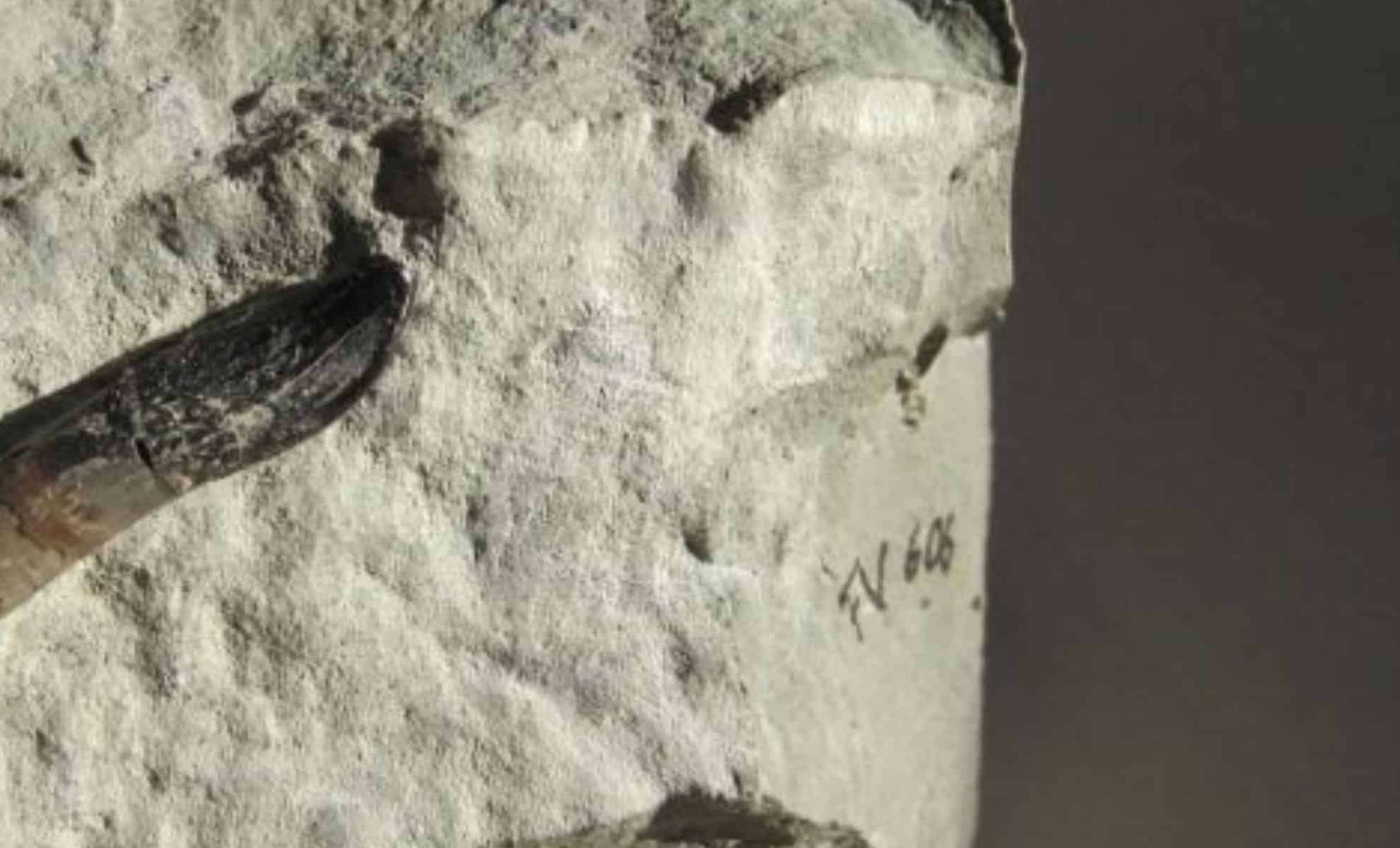
Researchers publishing in Proceedings of the National Academy of Sciences (PNAS) have demonstrated how fossilized dinosaur teeth serve as accurate archives of prehistoric atmospheric conditions. By studying the oxygen isotope signatures embedded in their enamel, scientists have uncovered evidence that Earth’s ancient air during the dinosaur era was rich in carbon dioxide, with global plant photosynthesis occurring at nearly twice the rate observed today.
Fossil Teeth as Climate Time Capsules
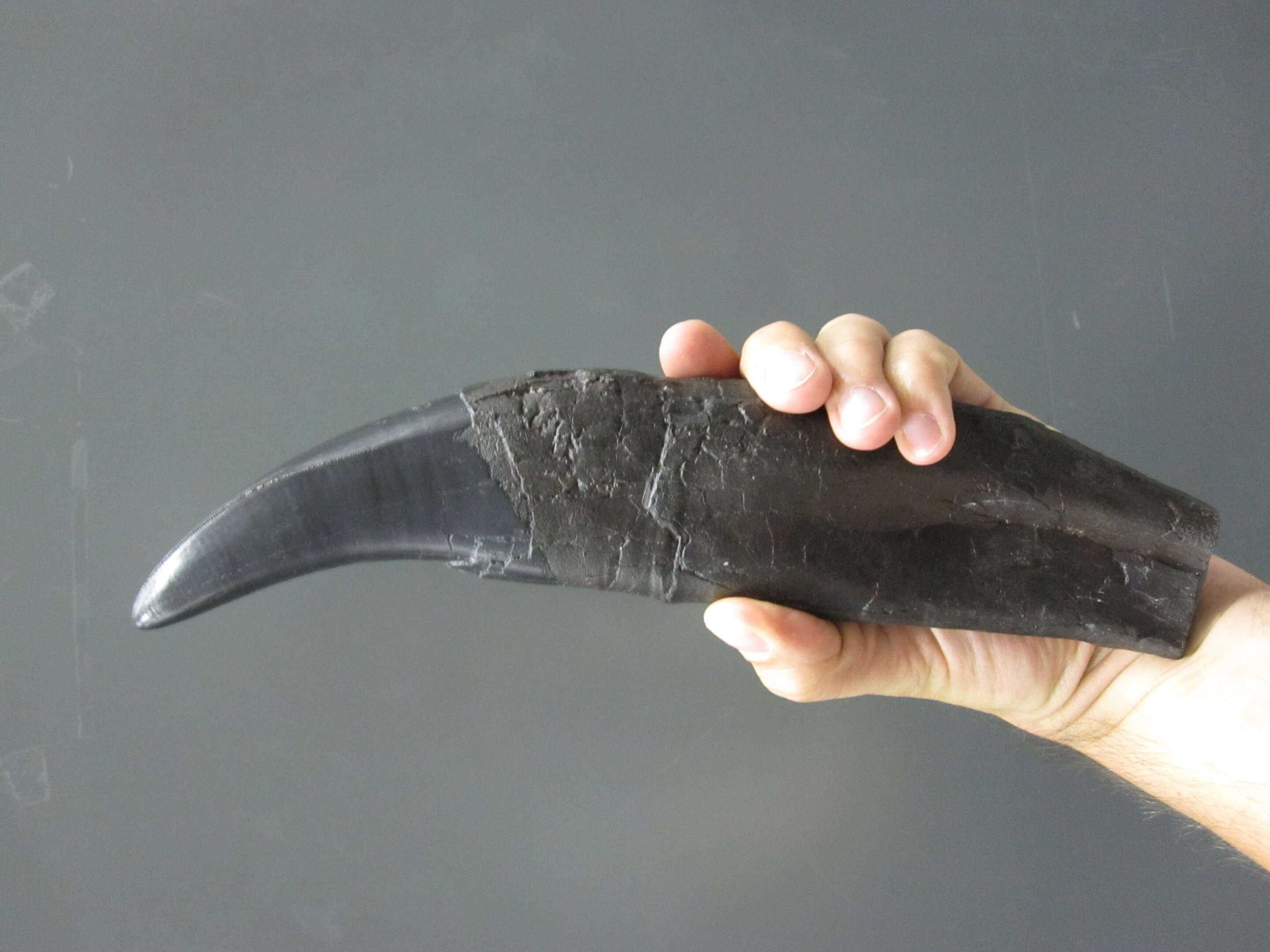
Well-preserved dinosaur teeth from locations across North America, Europe, and Africa have long been essential for paleontological research. This latest work reveals an even deeper story. The enamel of species like Tyrannosaurus rex, Kaatedocus siberi, Europasaurus, and Camarasaurus holds chemical clues about their environment and respiratory intake.
Thanks to tooth enamel’s extraordinary resilience—one of the toughest biological substances—it resists degradation and preserves oxygen isotope ratios that reflect the conditions these animals experienced. These variations in oxygen isotope forms provide vital information about ancient CO₂ concentrations and photosynthetic levels dating back more than 150 million years.

A Much Hotter World in Deep Time
Findings indicate that during the Late Jurassic period, roughly 150 million years ago, atmospheric carbon dioxide was about four times greater than pre-industrial values. Similarly, during the Late Cretaceous, between 73 and 66 million years ago, CO₂ levels remained around three times higher than modern-day measurements.
Some individual teeth show isotopic shifts that suggest abrupt rises in atmospheric CO₂, likely connected to massive volcanic episodes such as the Deccan Traps eruptions in what is now India. These eruptions at the close of the Cretaceous unleashed vast amounts of greenhouse gases into the atmosphere.
The study highlights how increased plant activity during this period played a crucial role in shaping the Mesozoic climate, affecting ecological networks. Evolutionary ecologist Professor Eva M. Griebeler remarked that this heightened photosynthesis influenced “the abundance and diversity of species as well as the length of food chains in the ecosystem.”
Unlocking Earth's Past Through Dinosaur Enamel
Traditional methods using marine proxies and soil carbonates to gauge historic CO₂ values have often faced substantial uncertainties. The enamel analysis technique offers a more direct insight. As Professor Thomas Tütken notes, it allows researchers to determine how much oxygen in the fossils came from the animal’s breath versus from water intake.
Study lead Dr. Dingsu Feng sees this technique as revolutionary in paleoclimate research. “This approach provides a new window into Earth’s atmospheric history,” Feng stated. “It offers the potential to use fossilized tooth enamel to explore early atmospheric composition and ancient plant productivity.” He further emphasized how dinosaur teeth have "preserved climatic records spanning over 150 million years—finally revealing these long-hidden signals."
- Categories:
- News











0 comments
Sign in to Comment