
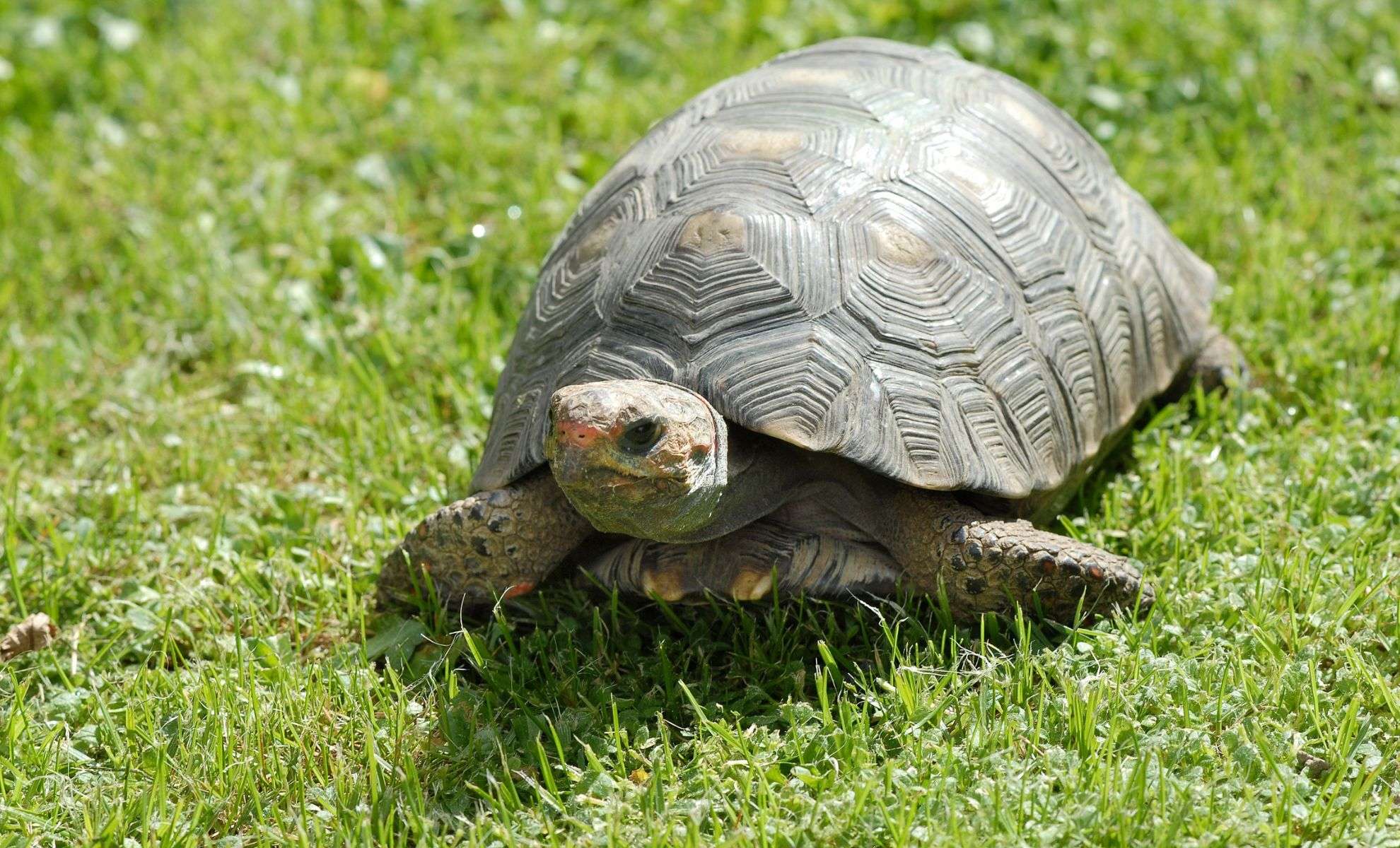
A remarkable fossil unearthed in New Mexico, dating back 90 million years, has led to the identification of a previously unknown turtle species. This significant find from the baenid lineage is reshaping our understanding of turtle development and revealing new perspectives on the ancient environments these reptiles once inhabited.
Exceptional Turtle Fossil Unearthed
Turtles have existed for nearly 260 million years, even preceding the era of dinosaurs. Their extensive history provides crucial clues for researchers examining prehistoric habitats and climates. Brenton Adrian, a doctoral candidate specializing in evolutionary anthropology at Arizona State University, was instrumental in examining this fossil when it was rediscovered in a collection at the Arizona Museum of Natural History. The specimen dates from the Turonian stage of the Late Cretaceous, roughly 90 million years ago.
The newly identified species has been named Edowa zuniensis. Its genus name “Edowa” translates to “turtle” in the language of the Zuni Indigenous community of western New Mexico and eastern Arizona, while “zuniensis” honors the Zuni Basin where the fossil was located.

This turtle inhabited the same ecosystems as dinosaurs like Suskityrannus, a small tyrannosauroid; Zuniceratops, a ceratopsian herbivore; and Nothronychus, a distinctive therizinosaur, highlighting a richly varied prehistoric environment.
Evolving Insights from Fossilized Shells
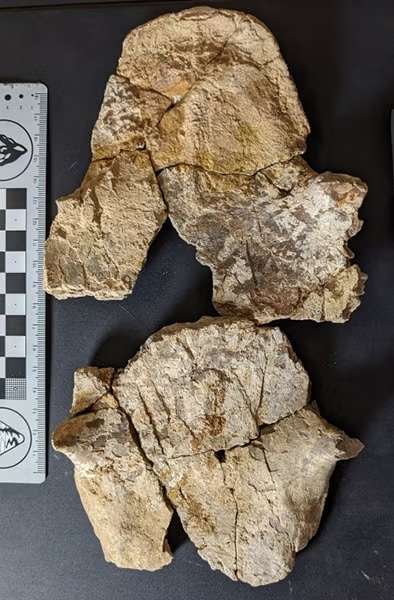
The fossil impressively preserves both the turtle’s carapace (upper shell) and plastron (lower shell), a rare occurrence. Baenid turtles are distinguished by their shell bones fusing seamlessly without visible sutures, aiding scientists in tracking evolutionary changes in these reptiles. Adrian noted that this discovery “bridges a significant gap in our knowledge of this native turtle lineage’s evolution, revealing that advanced characteristics appeared far earlier and across a broader region than previously believed.”
Further examination uncovered trace fossils on the shell, which record evidence of survival through adversity. Signs indicate that the turtle survived a crocodilian attack and later suffered infestations from ectoparasites—microscopic organisms living on its shell. These marks provide a unique glimpse into ancient predator-prey relationships and disease ecology.
Turtles as Windows into Ancient Ecosystems
In contrast to apex predators such as Tyrannosaurus rex, which occupied specialized carnivorous niches, turtles like Edowa zuniensis were ecological generalists. Adrian highlights that turtles “have inhabited virtually every environment accessible to reptiles over extensive geological periods,” making them reliable markers for reconstructing past habitats and water conditions.
The research team also emphasized in a statement that “The specimens were recovered from federally managed lands with authorization from the Bureau of Land Management. These territories are traditionally home to the Shiwinna (Zuni), Diné Bikéyah, and Pueblo peoples.”
Studying species such as Edowa zuniensis enhances our comprehension of the Cretaceous period’s ecosystems and their intricate dynamics. Adrian, now a first-year PhD student, investigates predator-prey interactions at fossil hominin sites in eastern Africa, bringing a diverse scientific perspective to his exploration of ancient reptilian life.
- Categories:
- News








0 comments
Sign in to Comment