
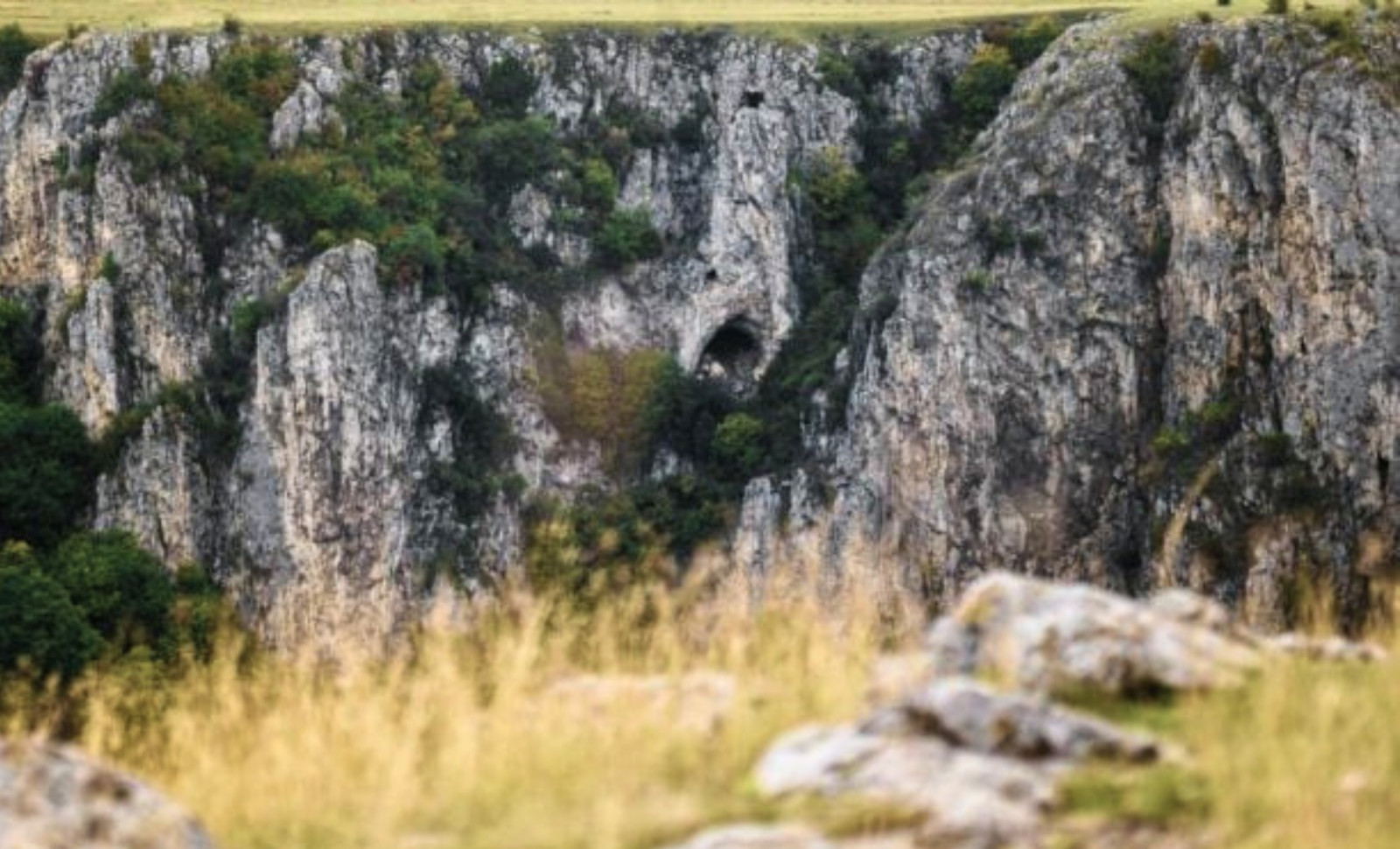
At the gateway of a modest prehistoric village in northeastern Romania, archaeologists uncovered a structure that measured four times larger than the typical dwellings surrounding it. This grand edifice, strategically located to greet arrivals from the south, underwent its first excavation in 2023. What was uncovered inside is prompting experts to reconsider how early human communities were organized well before the advent of writing, currency, or formal leadership.
In a study published in PLOS One in March 2026, researchers from Friedrich-Alexander-University Erlangen-Nürnberg and the Botoșani County Museum detailed the partial excavation of a 350-square-meter building at the site of Stăuceni-‘Holm’ in Botoșani County. Radiocarbon analysis dates the construction of this massive structure to the 40th to 39th centuries BC, marking it as one of the earliest known examples of such a building.
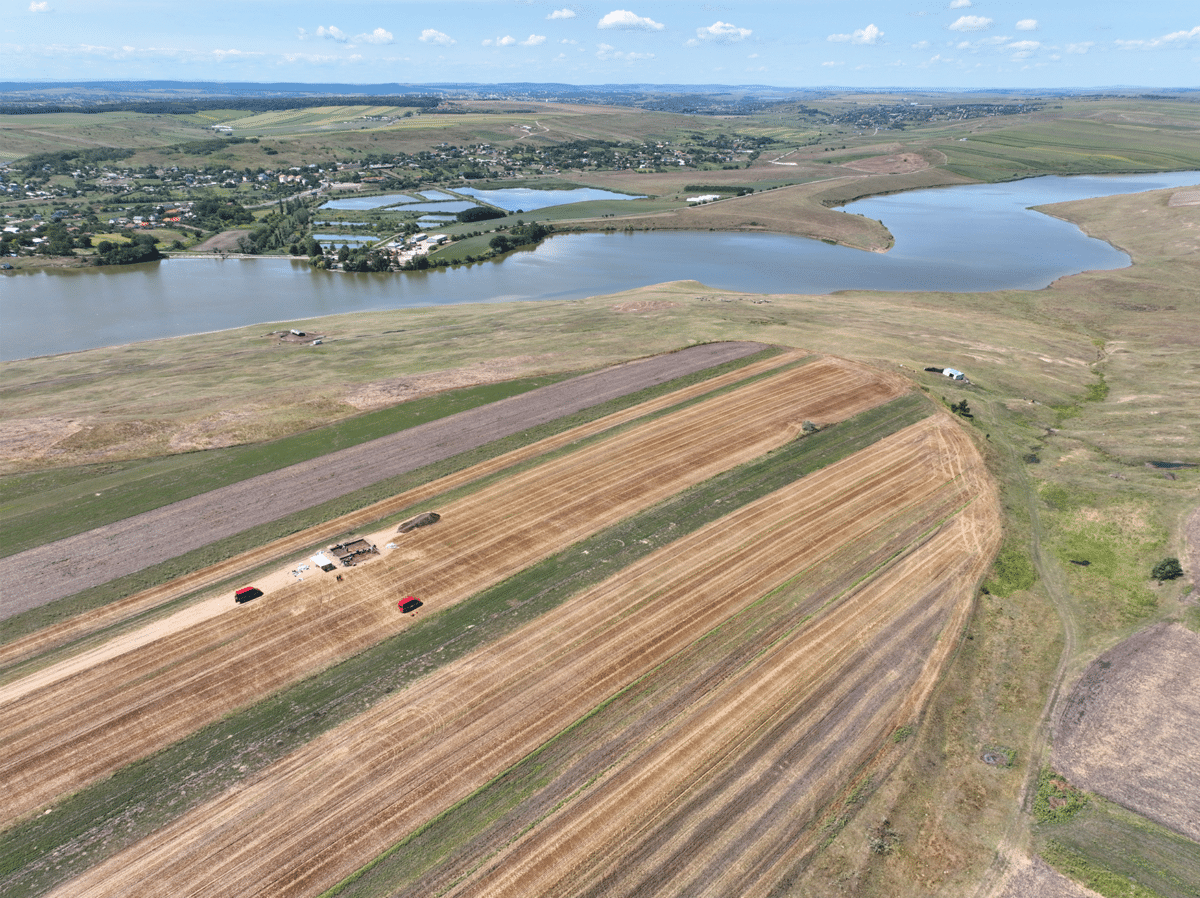
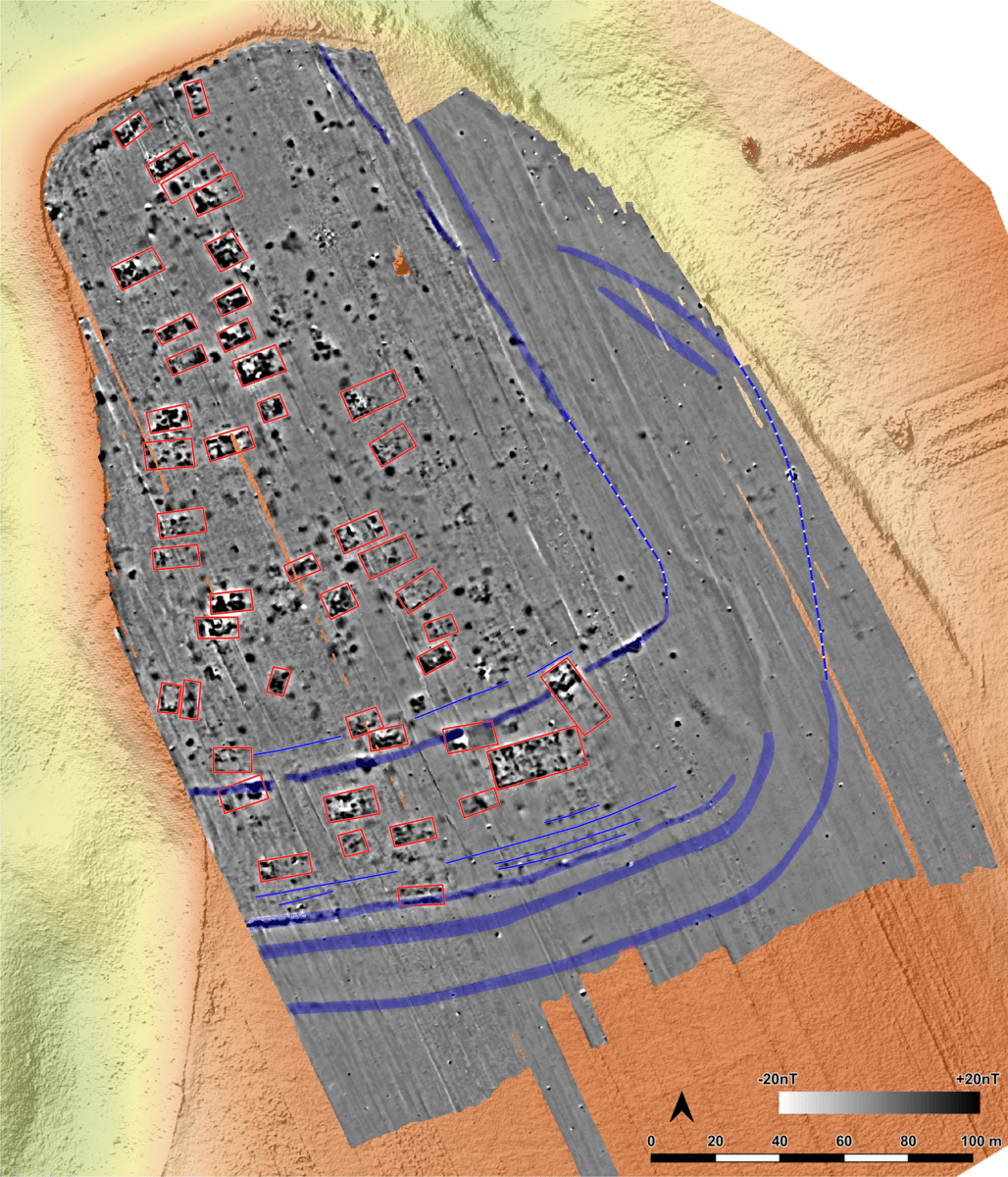
The village itself likely accommodated about 320 to 350 inhabitants living in approximately 45 houses, ranging in size from 70 to 120 square meters each. Compared to these homes, the massive structure dominated the landscape, positioned prominently near the probable main entrance.

An Ancient Culture Without Typical Signs of Hierarchy
The Cucuteni-Trypillia culture, flourishing between 4800 and 3000 BC across areas of present-day Romania, Moldova, and Ukraine, is known for some of the largest prehistoric settlements in Europe. Maidanetske, located in Ukraine’s Cherkasy Oblast, boasted nearly 3,000 houses over 170 hectares and may have been continuously inhabited for centuries.
Interestingly, these sites lack typical indicators of complex societal structures: there are no palatial buildings, no wealthy burials, no accumulations of precious metals, and no form of writing. Housing units generally share similar dimensions. A persistent question among archaeologists is how thousands of people coexisted in organized, long-lasting settlements without apparent hierarchical governance. The Stăuceni-‘Holm’ building is the sixth excavated mega-structure linked to the Cucuteni-Trypillia culture and, rather than resolving this question, it intensifies the debate.
Exploring the Unexpected Interior
The floor of the building was crafted from flattened oak logs arranged horizontally, topped with a layer of carefully smoothed fired clay. Posts were embedded in a trench lining the perimeter at intervals of 70 to 90 centimeters and supported by rubble sourced from older remains elsewhere at the site. Two deeply sunken postholes ran along the structure’s center, each reaching more than 80 centimeters beneath the flooring, suggesting it supported a robust roof.
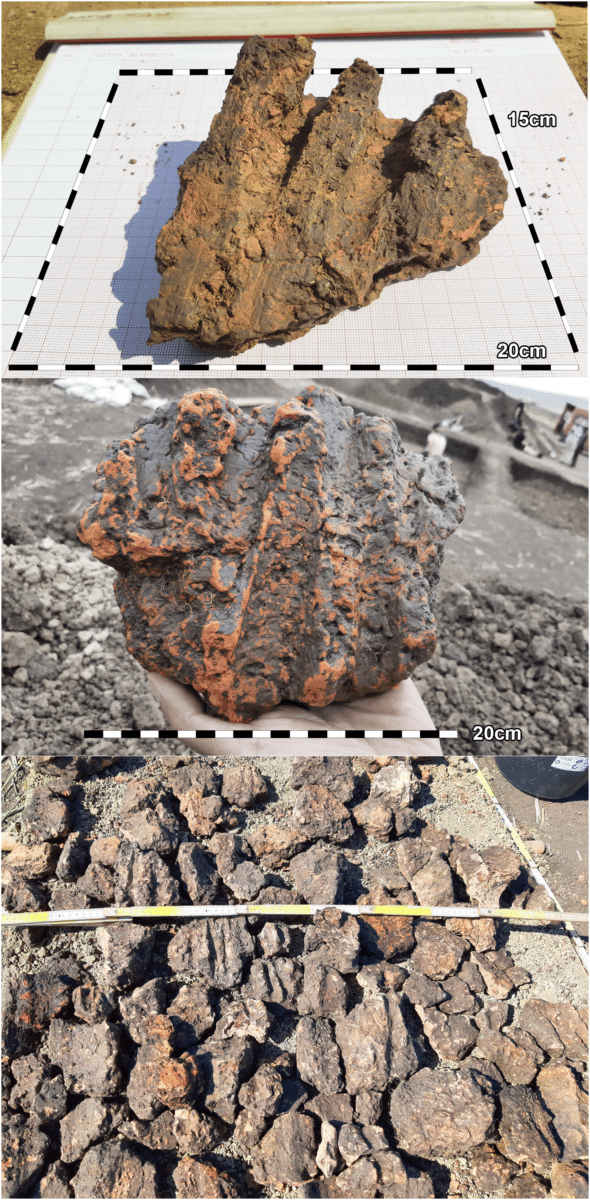
Aside from these architectural elements, the interior lacked expected features. There were no ovens, storage pits, or grinding tools, and no evidence of internal walls or compartments previously suggested by earlier geomagnetic surveys. Lead archaeologist Doris Mischka and her colleagues concluded that these magnetic anomalies resulted from irregular collapses of burnt clay rather than actual structural elements. This finding highlights the limitations of relying solely on geomagnetic surveys, especially since more than 140 such mega-structures across 19 locations are known only through these non-invasive methods and remain unexcavated.
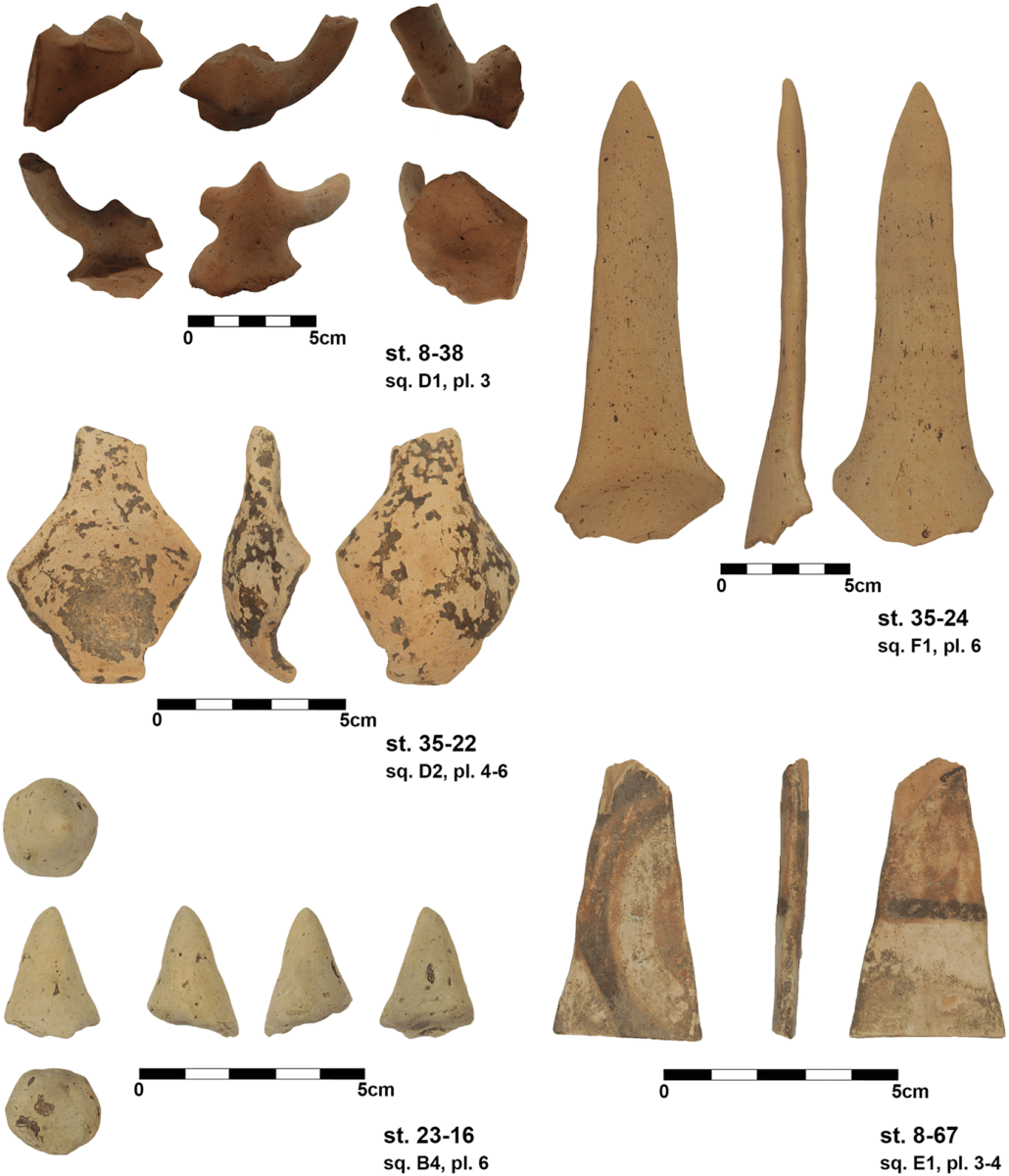
The sparse artifacts found included fragments of pottery, three ornately decorated spoons, a mysterious clay cone, and a bowl featuring a zoomorphic protome shaped like a bull’s head with broken horns. Plant remains uncovered comprised cereals, plum, elder, hawthorn, and mineralized henbane seeds—historically known for medicinal and psychoactive uses. No figurines were discovered.
Unexpected Radiocarbon Results
Researchers had anticipated confirming a Cucuteni A3 timeline, dating the structure between 4350 and 4050 BC. However, radiocarbon dates from two plant samples preserved beneath floor timbers placed construction closer to 4000–3800 BC, aligning more with the later Cucuteni AB phase.
Both samples derived from annual plants, which rules out errors typical when dating old wood reused in construction. Additionally, a small broken ceramic cup found deep near a posthole combined A3 pottery traits with older Precucuteni styles, supporting the recalibrated timeline. This suggests inconsistencies in the established regional chronology.
The discrepancy appears rooted in earlier dating methods. The entire absolute timeline for the Upper Siret-Prut basin was based on just four radiocarbon dates published before 1995, three of which came from charcoal at a single location. Since charcoal dating carries known uncertainties, the plant-based samples from Stăuceni-‘Holm’, taken from well-protected contexts, currently provide the most reliable chronological framework for this region.
Function Remains a Mystery
The absence of storage features makes a warehousing role unlikely, and the lack of cooking equipment suggests it was not a kitchen. While a ceremonial purpose remains a possibility, evidence supporting ritual use is scant. The researchers cautiously propose this structure as a probable communal assembly or governing space for this prehistoric culture, without overstating the available data.
The building’s location may offer the most insight: occupying the sole accessible route to the settlement, surrounded on other sides by steep slopes, it was deliberately positioned to be unmistakable to visitors. Whether this placement reflects administrative function, ceremonial significance, or another community role lacking a modern equivalent, it was clearly an intentional choice.
About three-quarters of the structure remains unexcavated, with additional digs planned. The unexplored northern section may yet reveal further central postholes indicating internal divisions or uncover new evidence that could transform current interpretations.
- Categories:
- Science










0 comments
Sign in to Comment