
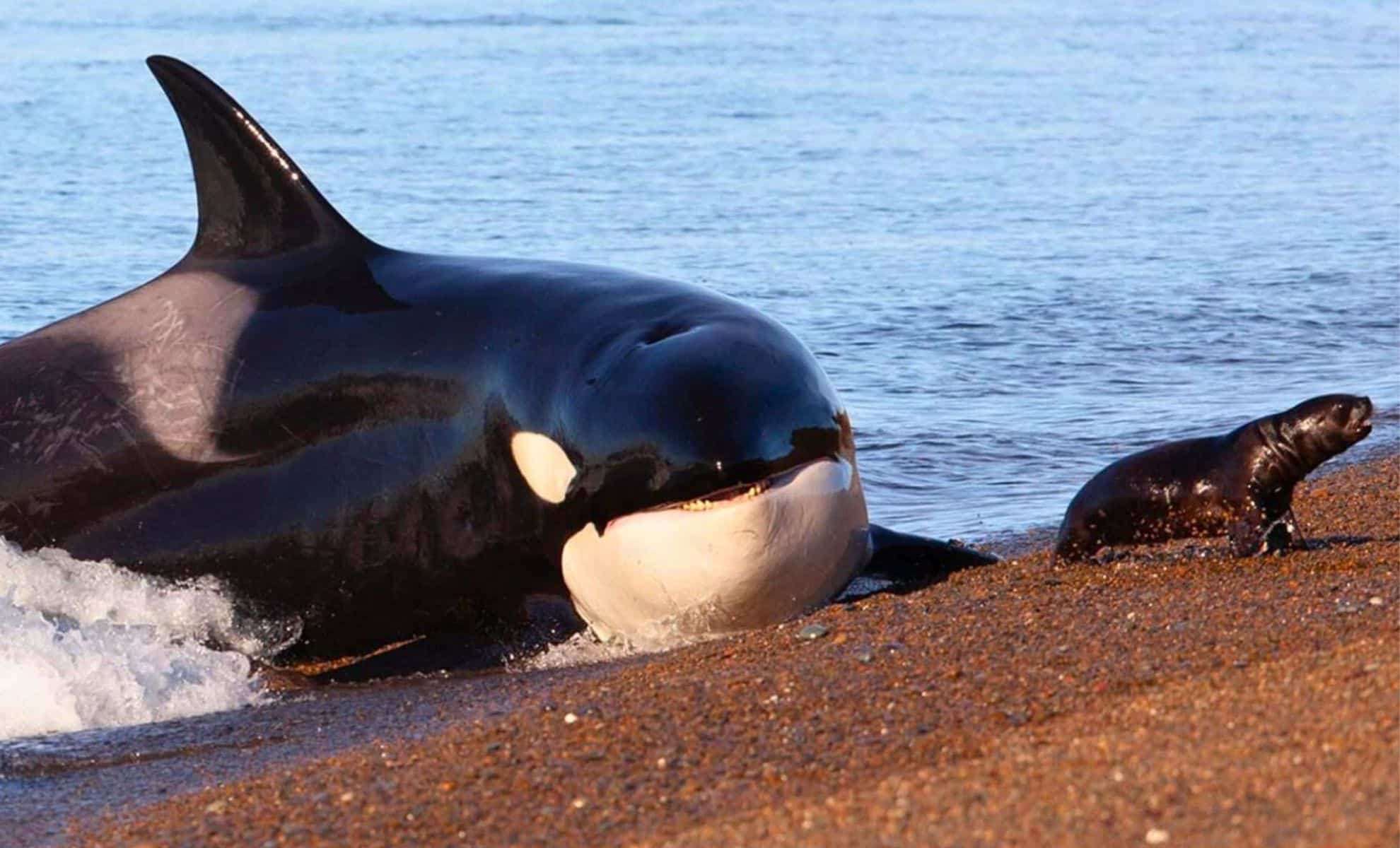
About 250 million years ago, mammals that lived on land began gradually returning to the ocean. Their descendants include modern dolphins and orcas, highly specialized marine hunters perfectly adapted to aquatic life. However, a recent study reveals these animals have now crossed a crucial evolutionary boundary. Scientists say they have reached a stage from which returning to terrestrial life is impossible.
Published in Proceedings of the Royal Society B, the research claims that dolphins and orcas are so specialized for living in water that evolving back to land no longer remains an option. This irreversible point in evolution effectively locks them into an ocean-bound existence forever.
Evolution’s One-Way Ticket From Land to Ocean
Under the guidance of Bruna Farina, a PhD student at the University of Fribourg in Switzerland, researchers analyzed evolutionary paths across more than 5,600 mammal species. Their work placed species along a scale from fully terrestrial to fully aquatic. They found that once mammals fully transition from semi-aquatic lifestyles to exclusive ocean dwellers, the changes they undergo are permanent.

This discovery aligns with a long-established idea in evolutionary biology called Dollo’s law, which suggests that lost complex traits rarely, if ever, reemerge. The findings indicate that dolphins and orcas have surpassed "a crucial tipping point"; their physical form, diet, and physiology are now so highly tuned for aquatic living that a return to land-based life is no longer feasible.
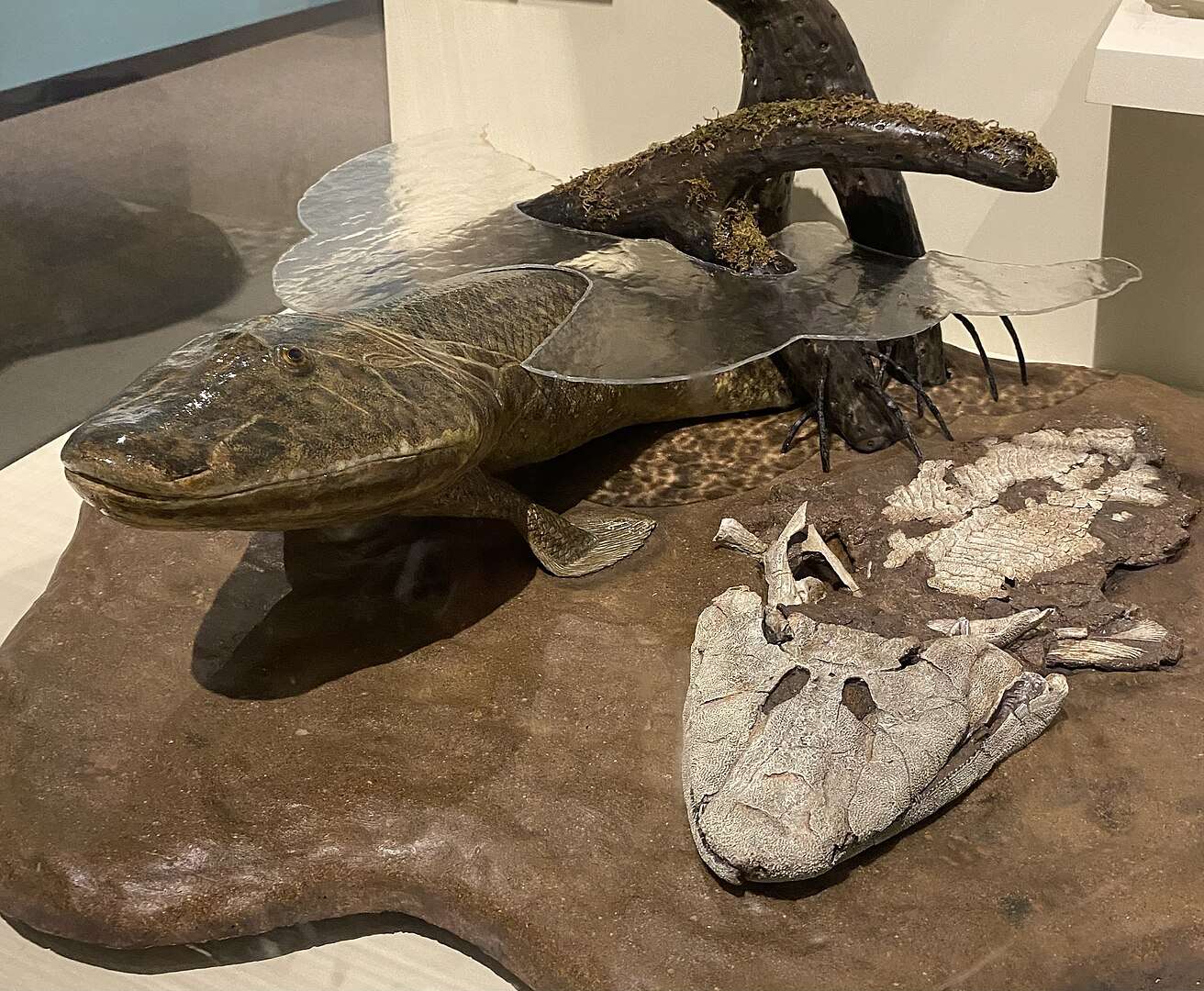
Key Adaptations That Cemented Their Ocean Life
Through evolutionary time, dolphins and orcas acquired numerous traits suited for aquatic environments. Their large bodies help retain heat in cold waters. They adopted a meat-based diet to meet high energy demands. Their limbs evolved into flippers, while their tails transformed into powerful propulsive units. Even their reproductive processes have adapted to giving birth in water.
These profound changes reshaped their anatomy to accommodate swimming, diving, and hunting in open oceans. Every major bodily system—respiratory, muscular, skeletal, and reproductive—was fine-tuned for aquatic life. According to Farina’s study, these adaptations are effectively irreversible.
The Trade-offs of Extreme Specialization
While these adaptations make dolphins and orcas formidable ocean predators, they also restrict their capacity to cope with rapid changes in their environment. The researchers highlight the risks posed by mounting challenges such as climate change and increasing marine pollution. This evolutionary rigidity could jeopardize their survival.
Farina’s team stresses that these marine mammals are now effectively "locked in their aquatic existence." Their evolutionary success has come with a loss of adaptability. Should ocean conditions surpass their biological tolerances, they face no alternative evolutionary escape paths. Their persistence depends entirely on the well-being of ocean ecosystems.
Uncertain Prospects Amid Changing Oceans
With oceans undergoing intensifying stress—rising temperatures, acidification, and dwindling prey availability—the study calls renewed focus on the vulnerability of fully aquatic mammals. Since they cannot revert to terrestrial forms, they must adapt within the confines of their existing biology.
For dolphins and orcas, the ocean represents more than a habitat—it is their definitive evolutionary destination.
- Categories:
- Science











0 comments
Sign in to Comment