
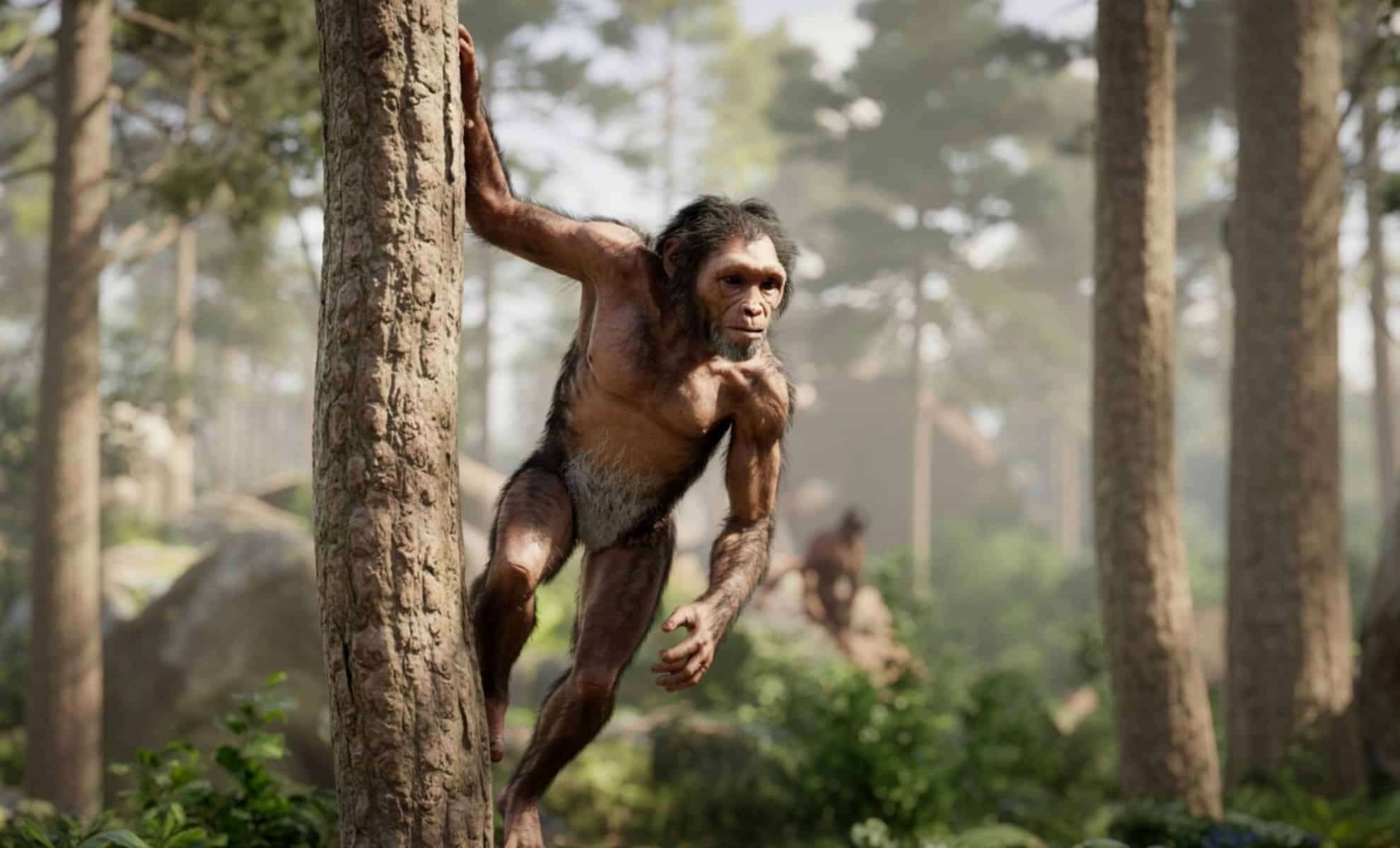
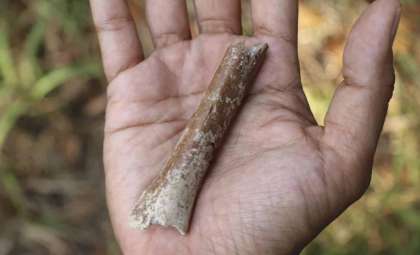
Newly uncovered fossils have shed light on a distant human relative from around two million years ago, the species Paranthropus robustus. Contrary to earlier assumptions, this ancestor stood only about one meter tall and weighed approximately 27 kilograms, revealing unexpected variety among early human forms.
Insights into Paranthropus robustus: Compact Build and Unique Traits
The recent archaeological finds, including a left pelvis, femur, and shinbone, confirm that Paranthropus robustus possessed a relatively small stature compared to modern humans. The individual, likely an adult female, measured just slightly over a meter in height and weighed around 27 kilograms.
Detailing their findings in the Journal of Human Evolution, researchers provide compelling proof that these early hominins were significantly smaller than previously believed. Despite their diminutive size, Paranthropus robustus demonstrated distinctive capabilities setting it apart from other early human species.

Scientists suggest this species was proficient in bipedal locomotion, an adaptive trait shared with modern humans. Additionally, evidence points to remarkable skill in tree climbing, likely an essential survival mechanism for escaping predators and finding nourishment.
Leopard Predation: A Perilous Existence
Examination of the fossilized remains indicates a grim survival challenge. Careful analysis of the bones shows clear leopard bite marks, implying this species was a target for large carnivores.
“The observation detailed in the bones suggests that the individual in question likely served as a meal for a leopard,” researchers stated.
These bite impressions highlight the constant threat predatory animals posed to early humans, emphasizing the precariousness of their existence and underscoring the evolutionary importance of defensive adaptations.
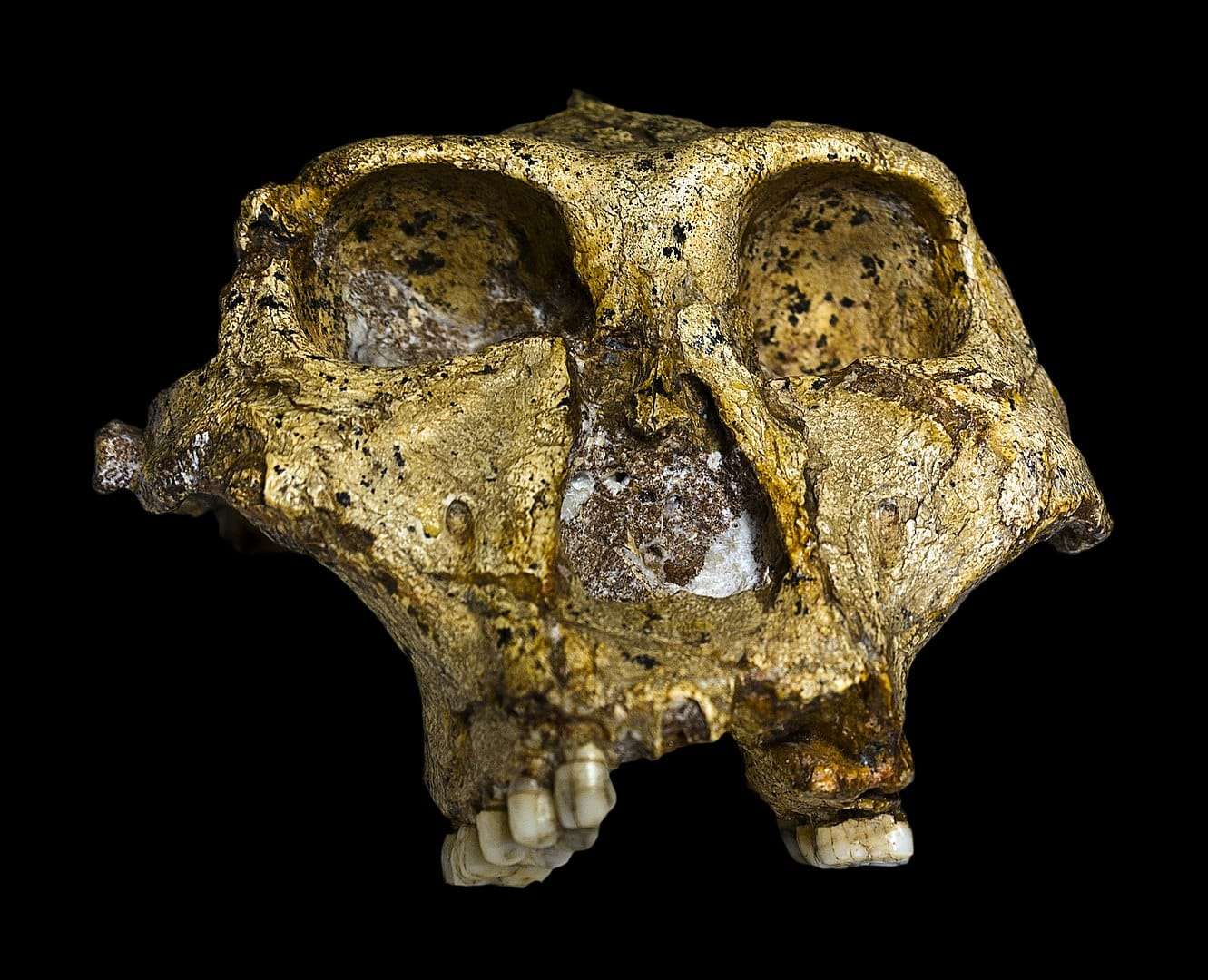
What Caused the Diminutive Stature?
The notably small size of Paranthropus robustus puzzles scientists, who are investigating whether environmental challenges or evolutionary factors influenced this characteristic.
“It is possible that the small size was simply a natural variation within the species,” noted one researcher. “Alternatively, it could be a response to environmental constraints, like limited food sources.”
This enigma illustrates the intricate dynamics of evolutionary adaptation. Ongoing fossil discoveries are expected to unravel if such reduced stature was a direct evolution to environmental pressures or simply an unusual trait within the species.
As research progresses, the remains of Paranthropus robustus continue to offer valuable perspectives on the obstacles early humans encountered. Their remarkable tree-climbing ability and predator avoidance strategies demonstrate the resilience and adaptation present among our ancient relatives, despite their small frames.
- Categories:
- Science




0 comments
Sign in to Comment