
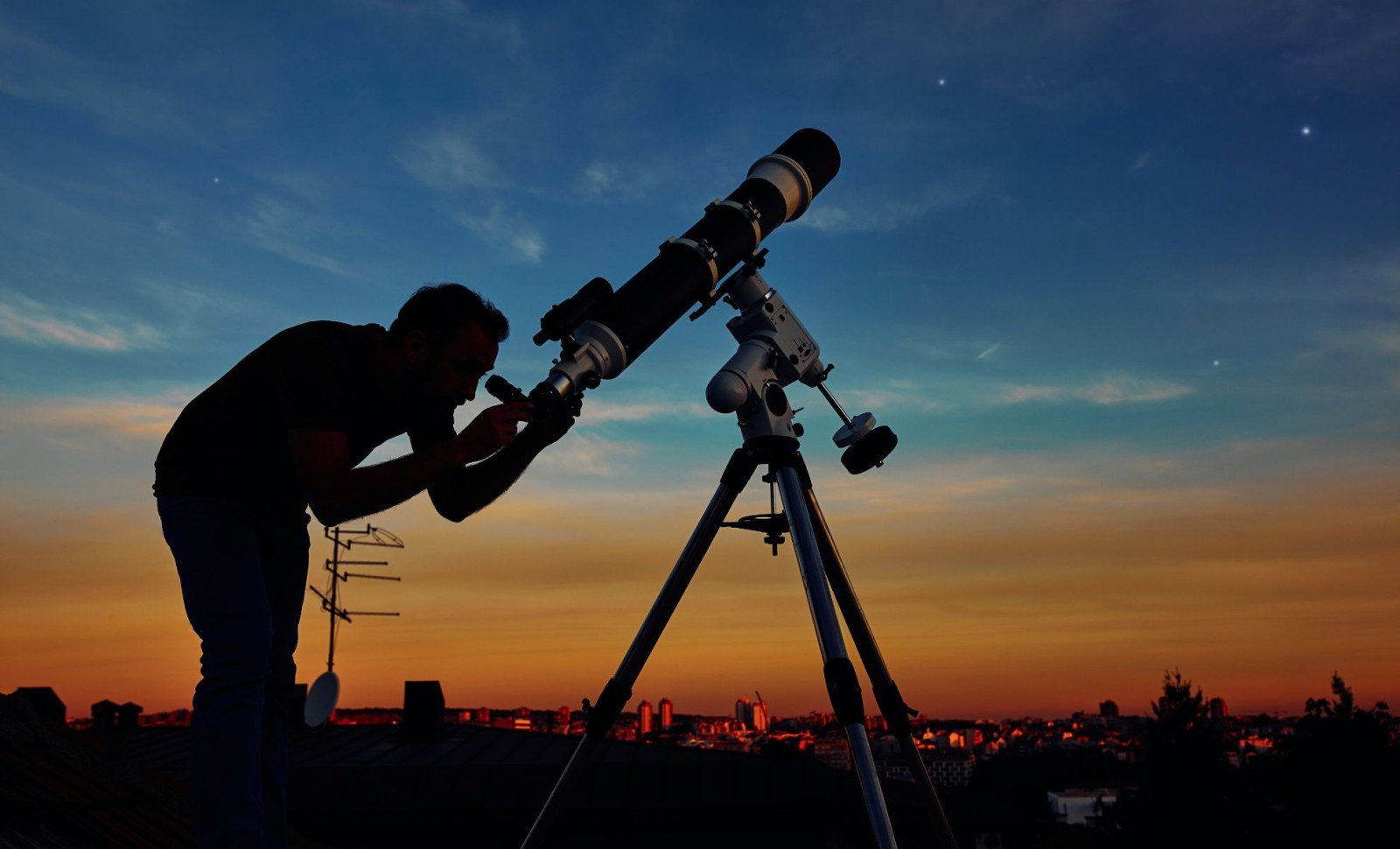
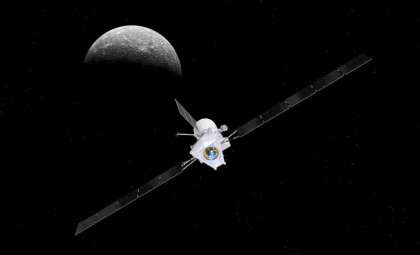
Observers in the Northern Hemisphere recently witnessed Mercury’s fleeting appearance near the southwestern horizon just after dusk. As the solar system’s smallest planet reached its greatest elongation, it treated skywatchers to a brief yet remarkable spectacle.
According to El Diario 24, this event marks Mercury’s final prominent visibility for 2025 before it slips behind the Sun’s glare. Although Mercury is the closest planet to our star, its position in the sky rarely allows for clear viewing, often obscured by daylight or twilight haze.
These elongations, when Mercury appears farthest from the Sun from Earth’s vantage point, are eagerly anticipated by both casual stargazers and professional astronomers alike.

Challenges in Spotting Mercury
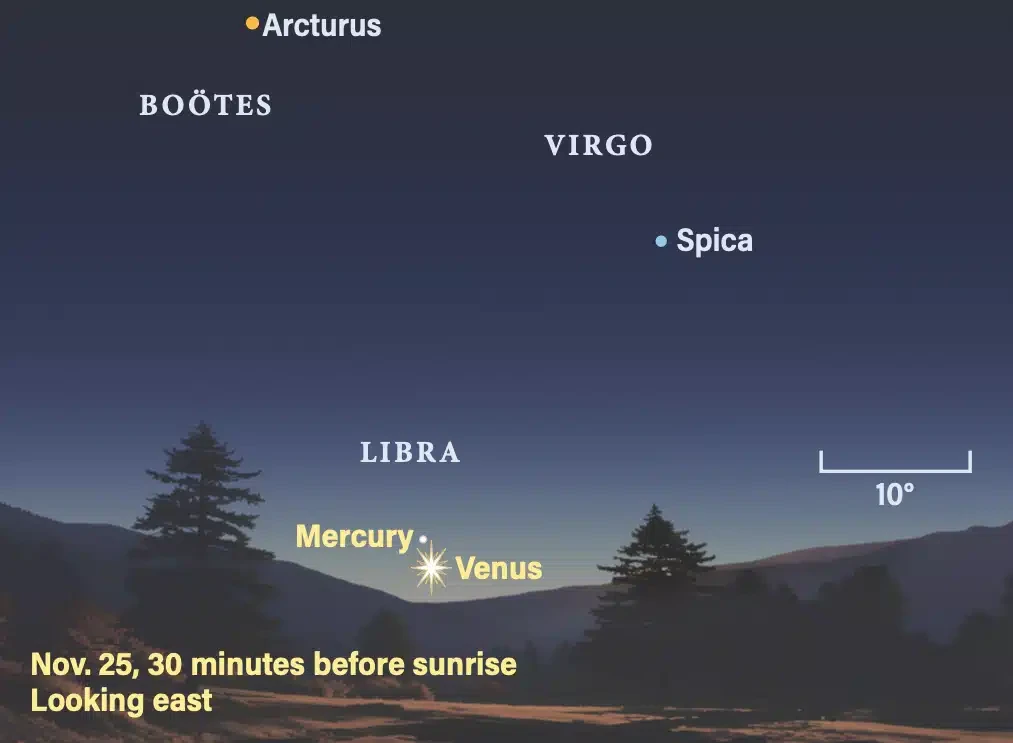
As reported by El Diario, the viewing angle this season was particularly unfavorable, complicating efforts to observe the planet. Mercury lingered just about 10 degrees above the horizon after sunset but descended roughly 3 degrees within half an hour. During northern autumn, the ecliptic plane, which determines the visible paths of planets, aligns at a shallow angle with the western horizon, making Mercury appear lower and vanish quickly into twilight.
Adding to the difficulty, Mercury's location roughly 3° below the ecliptic further hindered visibility. Even under clear skies, the combination of low elevation, the fading light, and a narrow viewing window meant that only observers with an unobstructed view to the west had a good chance to spot it.
Mercury’s Unique Orbit and Harsh Environment
Despite its relatively small size, Mercury endures some of the solar system’s most extreme conditions. As detailed by El Diario 24, surface temperatures can reach a blistering 480°C at sunrise, falling drastically to around 120°C at night owing to its virtually nonexistent atmosphere. During elongation, the sunlit surface reflects a soft golden glow, especially noticeable beside Mars, which also made a brief appearance in the same twilight window.
Completing an orbit every 88 days, the shortest orbital period of any planet, Mercury generally remains hidden in the Sun’s overwhelming brightness. Its fleeting visibility will end by November when it slips back behind the Sun from Earth’s perspective.
Scientific Insights from Mercury’s Appearance
Elongation periods like this provide valuable observational windows for astronomers to study the inner planets’ dynamics. The angular separation offers opportunities to investigate Mercury’s axial tilt, radiation environment, and gravitational influences impossible to measure when the planet is obscured by the Sun’s glare, according to El Diario 24.
These observations are vital for understanding Mercury’s characteristics in context with other rocky worlds, including those orbiting other stars. As both Mercury and Venus orbit closer to the Sun than Earth, they are only visible during twilight phases, necessitating careful timing for their study.
- Categories:
- Astronomy







0 comments
Sign in to Comment