
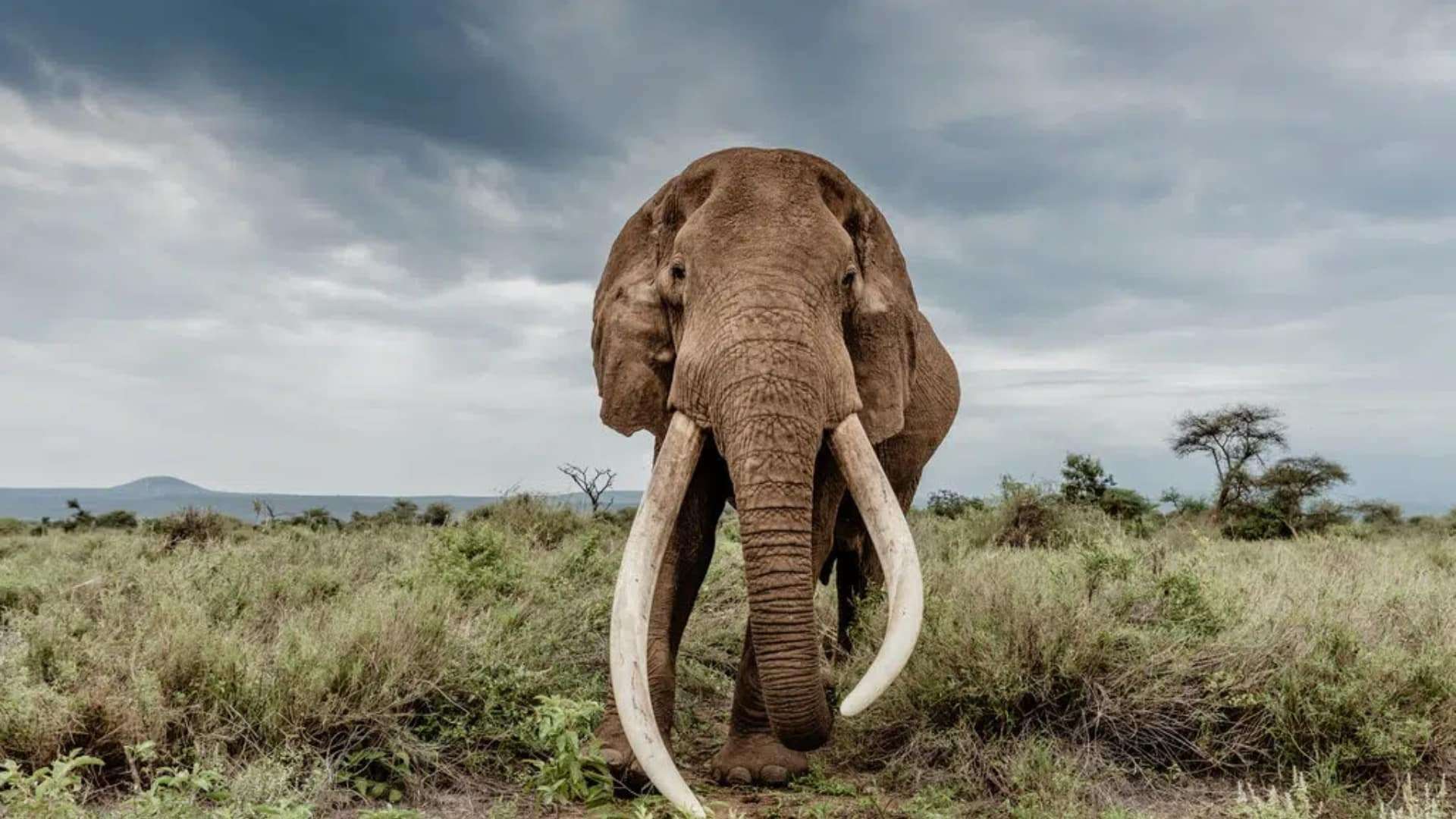
Fossilized remains of elephants unearthed in Kashmir Valley reveal an unexpected link between early humans and one of prehistoric Earth's largest mammals. Excavations at Pampore site uncovered both skeletal remains and an assortment of intricately crafted stone tools, indicating interactions that redefine prior views about early human behavior.
This extraordinary discovery offers fresh perspectives on survival tactics during the Middle Pleistocene and poses compelling questions about the coexistence of early hominins and their habitats.
Examining the Pampore site during the Middle Pleistocene era
The Pampore Valley, nestled near the Himalayan mountain range, has emerged as a pivotal archaeological location for tracing early human presence in South Asia. Since 2000, investigations began when elephant fossils and stone implements were first found within the Karewa Group—a geological formation composed of fluvial and lacustrine deposits from the Pleistocene, a time of significant environmental transformations.

Excavations have uncovered remains of at least three elephants belonging to the genus Palaeoloxodon, and 87 stone artifacts. Among these finds, a nearly complete elephant skull provides invaluable data on species evolution and early human activity.
Tools and evidence of prehistoric elephant processing
The collection of stone tools at Pampore, consisting mainly of flakes and blades, demonstrates an advanced proficiency in core-preparation techniques that enhanced tool effectiveness. The elephant fossils exhibit cut marks and bone flakes, revealing that early humans likely scavenged these massive creatures to access nutrient-rich marrow.
A notable aspect is that the basalt material used for these tools is not native to the site’s surroundings, indicating that raw resources were transported from afar and then fashioned locally. This behavior reflects early hominins’ foresight and strategic planning capabilities.
Dating complexities point to a site over 300,000 years old
Determining the age of the Pampore sediments required intricate methods. Utilizing intra-crystalline protein breakdown techniques in elephant enamel, researchers date the site to the Middle Pleistocene, over 300,000 years ago—a period marked by volatile climates and shifting ecosystems challenging early human populations.
Further, fission track dating on ash layers below the site suggested ages nearing 2.4 million years. Paleomagnetic analysis refined these estimates, confirming the Pampore Member’s placement within the Middle Pleistocene timeframe.
Reassessing early faunal utilization in South Asia
One of the most surprising revelations from this discovery is its challenge to previous assumptions that early humans in India did not engage with large mammals extensively. The evidence of elephant butchery alongside sophisticated tools supports the idea that ancient humans employed complex techniques to exploit their surroundings.
This finding reinforces the perspective that early hominins in the region harnessed diverse food sources and adapted flexibly to environmental changes. The Pampore remains enrich our understanding of human mobility, resource transport, and cognition during this era.
The extinct Palaeoloxodon turkmenicus of Pampore
The uncovered fossils belong to Palaeoloxodon turkmenicus, an extinct elephant species exhibiting traits that bridge African ancestors and Eurasian descendants. These massive animals were about twice the size of today’s African elephants and featured distinctive skull structures. The Pampore skull, the most intact example found, sheds light on the species’ evolutionary path.
Pathological examination revealed signs of chronic sinus inflammation in the skull, possibly contributing to the animal’s death. Although no direct evidence for hunting like embedded weapons was found, the close presence of stone tools and fragmented bones indicates a strong likelihood of interaction between humans and these elephants. It’s also plausible that the creature became trapped in soft sediment near a water body.
Impact of environmental changes on human-animal dynamics
Shifts in climate and environment in the Kashmir Valley during the Pleistocene likely shaped the behavior of both people and wildlife. Soil formations in sediment layers indicating periods of climatic stability would have favored habitation and activity.
The discovery of multiple elephant remains suggests the valley functioned as a migration path or favorable habitat for large fauna. Such abundant resources probably attracted early humans, fostering interactions and butchery practices. The presence of bone flakes alongside tools supports growing evidence of early humans skillfully exploiting their ecosystems.
- Categories:
- Evolution















0 comments
Sign in to Comment