
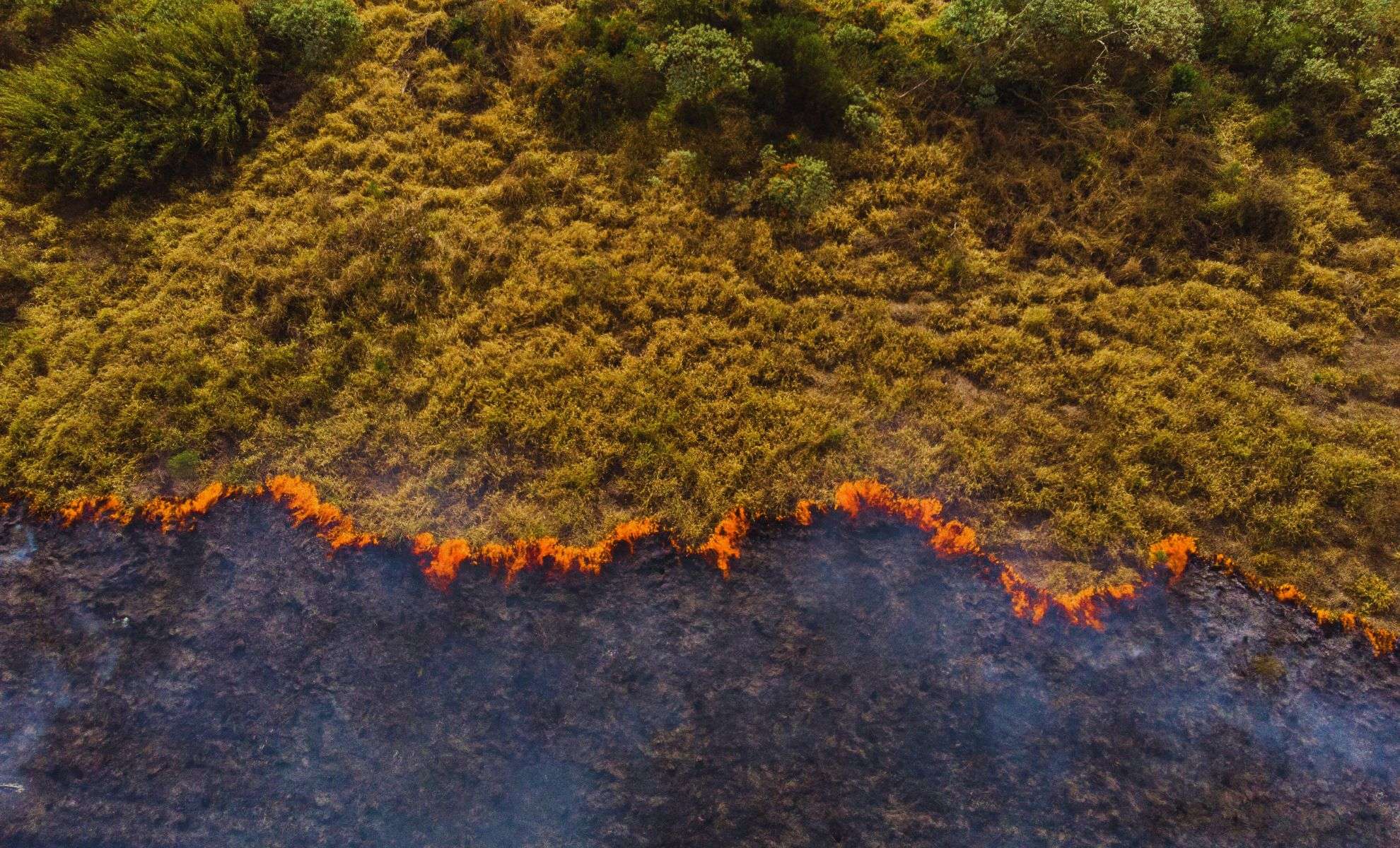
Researchers have uncovered evidence indicating that human-driven climate change was detectable as far back as the 1880s, predating widespread use of fossil fuel-powered automobiles. The research, published in PNAS, explores a hypothetical scenario where scientists from the late 19th century, equipped with contemporary technology, could have identified initial atmospheric alterations linked to the Industrial Revolution. These results highlight that awareness of human influence on climate stretches further back than previously recognized.
Uncovering the Initial Signals of Climate Change
Through a thought experiment, atmospheric scientists suggest that with adequate instruments, researchers in the 1880s could have detected early indications of climate change. Even though this era marked the rise of early industry, automobiles powered by fossil fuels had yet to become prevalent. The study demonstrates that modern instruments, such as satellite microwave radiometers, would have revealed atmospheric changes caused by human activities. This phase precedes the comprehensive scientific climate assessments of the 20th century that confirmed human contributions.
The investigation utilizes a “fingerprint” analysis method, allowing scientists to differentiate human influences from natural climate variability. “We then apply a pattern-based ‘fingerprint’ method to disentangle human and natural effects on climate,” the authors explain. By applying this approach, they identified early human signals in the climate system, including notable cooling in the stratosphere. This cooling serves as a critical sign of increased greenhouse gases, especially carbon dioxide, and likely began in the late 1800s, well before modern emission levels were reached.

Stratospheric Cooling as a Key Early Marker
Findings reveal that the first clear sign of climate change was a cooling of the stratosphere rather than surface warming. While greenhouse gases trap warmth in the lower atmosphere, they simultaneously cause cooling effects in the upper atmosphere. “Pronounced cooling of the mid- to upper stratosphere, mainly driven by anthropogenic increases in carbon dioxide, would have been identifiable with high confidence by approximately 1885, before the advent of gas-powered cars,” according to the authors.
This cooling results directly from the rise in greenhouse gas emissions. Carbon dioxide traps heat closer to Earth’s surface but alters stratospheric conditions in ways that induce cooling. The combination of a warming troposphere and a cooling stratosphere would have made climate change recognizable even then. The study concludes that access to advanced measuring instruments in the 19th century would have enabled detection of these early signs within just a few decades.
Potential Climate Change Detection by the Late 19th Century
The authors propose that, despite limited monitoring at the time, signs of climate change could have been noticed by the mid-1890s. “Even if our monitoring capability in 1860 had not been global, and high-quality stratospheric temperature measurements existed for Northern Hemisphere mid-latitudes only, it still would have been feasible to detect human-caused stratospheric cooling by 1894, only 34 years after the assumed start of climate monitoring,” the study states. This suggests that technological constraints would not have completely prevented early detection if better instruments had been available.
This revelation highlights how early human influences on the climate were measurable, well before the surge in industrial emissions of the 20th century. It also suggests that climate science could have advanced sooner, which might have shaped early environmental policies and industrial decisions. The researchers speculate that earlier recognition of these changes might have helped avoid some of the severe environmental damage experienced today.
Urgent Recommendations for Global Climate Action
The study finishes by urging decisive climate actions to prevent crossing irreversible environmental thresholds. “We know with high confidence that sustainable pathways must be followed to avoid dangerous anthropogenic interference with climate,” the authors conclude. They emphasize that expected future alterations in the atmosphere, in both the stratosphere and troposphere, will exceed those recorded from 1986 through 2024.
Highlighting the critical state humanity faces, the study warns, “Humanity is now at the threshold of dangerous anthropogenic interference. Our near-term choices will determine whether or not we cross that threshold.” It calls for swift emission reductions and adoption of sustainable strategies to protect the planet’s future.
- Categories:
- News











0 comments
Sign in to Comment