
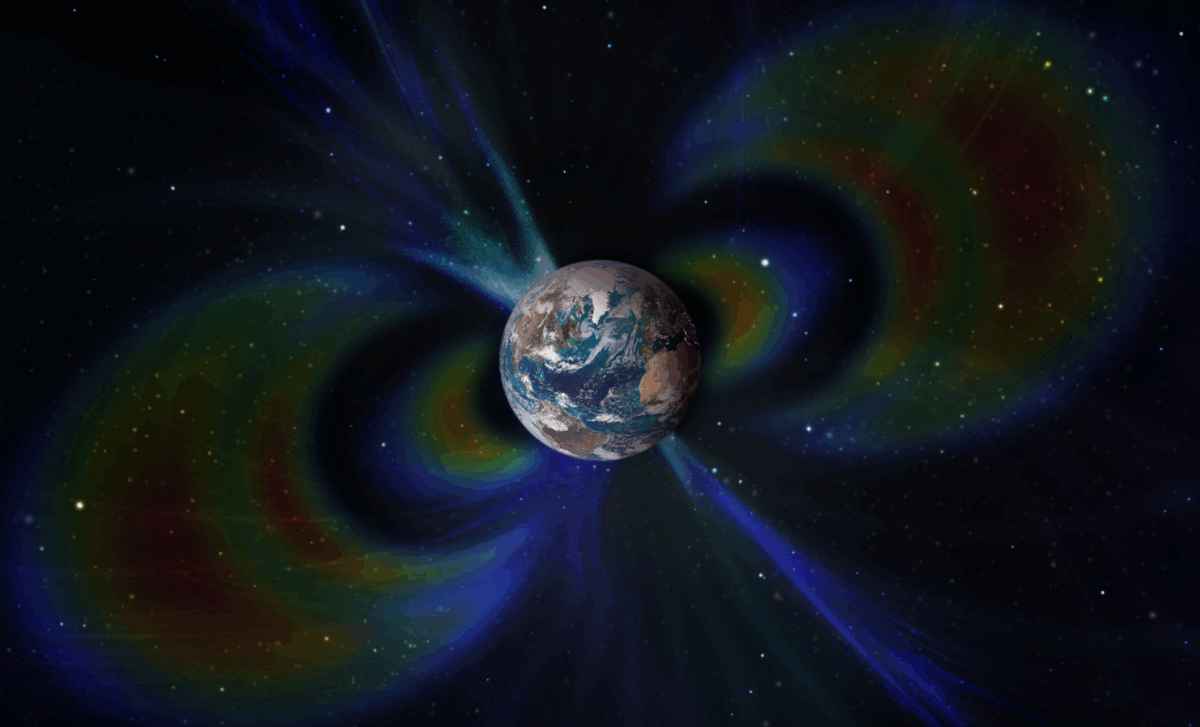
For over 500 million years, scientists have been intrigued by a massive magnetic irregularity locked within Earth's ancient rock layers. These unusual measurements challenged established geomagnetic principles, suggesting a chaotic behavior in the planet's magnetic field during that era. Recent research, however, indicates that what appeared to be disorder might follow an underlying pattern. A groundbreaking study published in Science Advances offers a new perspective that could transform our understanding of Earth's magnetic past.
Reevaluating Earth's Magnetic History
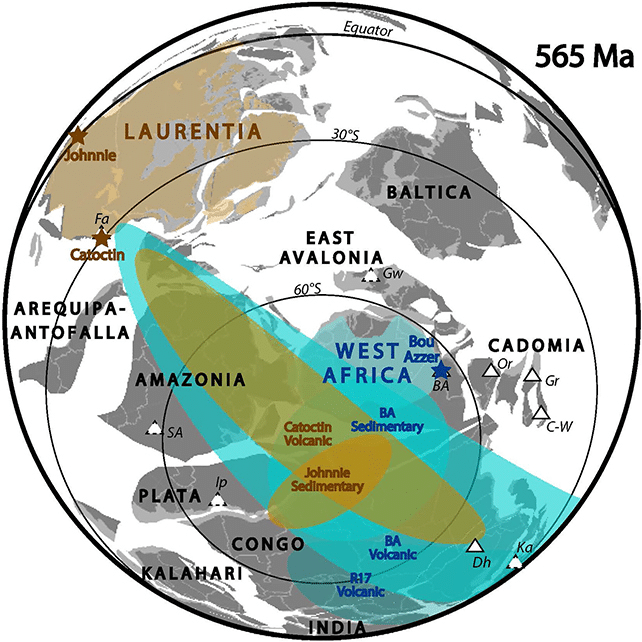
Geologist David Evans from Yale University led an international team in reexamining enigmatic magnetic data from over 500 million years ago, during the Ediacaran Period — a time when multicellular life was emerging. Their findings, detailed in a Science Advances article, introduce a novel explanation that transforms previously perceived random magnetic variations.
“We are proposing a new model for the Earth’s magnetic field that finds structure in its variability rather than simply dismissing it as randomly chaotic,” says geologist David Evans of Yale University.
Add Cosmo Herald as a Preferred Source

Contrary to the assumption of a turbulent geomagnetic field, the research identifies a systematic, cyclical pattern underlying Earth’s magnetic fluctuations over geological time. Using innovative statistical techniques, Evans’ group revealed repeating phenomena that clarify prolonged magnetic field reversals and anomalies found in prehistoric rocks. This insight promises to reshape models of continental and oceanic arrangements throughout deep time.

Using Statistics to Unlock Ancient Magnetic Clues
The team crafted advanced statistical methodologies to analyze the Ediacaran paleomagnetic records in detail. Their objective was to extract meaningful patterns from seemingly erratic data, shedding light on tectonic plate motions and the shifts of Earth's magnetic poles during that time.
“We have developed a new method of statistical analysis of Ediacaran paleomagnetic data that we think will hold the key to producing robust maps of the continents and oceans from that period.”
By revisiting rock data from global sources, the researchers successfully linked fragmented geological timelines. This innovative approach enables a more coherent visualization of Earth's geographic transformations over billions of years.
“If our proposed, new statistical methods prove to be robust, we can bridge the gap between older and younger time periods to produce a consistent visualization of plate tectonics spanning billions of years, from the earliest rock record to the present day,” says Evans.
This continuous chronicle could illuminate the interplay between the magnetic field, core dynamics, and plate tectonics through Earth's history, revealing how the planet evolved into a stable environment able to sustain life.
Transforming Our View of Earth's Magnetic Legacy
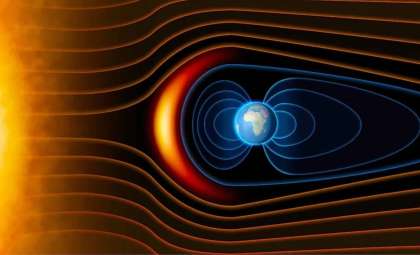
The impact of this research extends beyond academia. A refined comprehension of magnetic field development can offer vital clues about Earth’s inner workings, including core convection and mantle dynamics. Such knowledge improves our grasp of how the planet upheld its magnetic shield—a critical factor in preserving the atmosphere and enabling habitability.
Furthermore, this fresh framework may help resolve inconsistencies between paleomagnetic records and tectonic models. As Evans and collaborators continue to enhance their statistical tools, the prospect of constructing a seamless magnetic timeline covering billions of years grows increasingly tangible.
- Categories:
- Science









0 comments
Sign in to Comment