
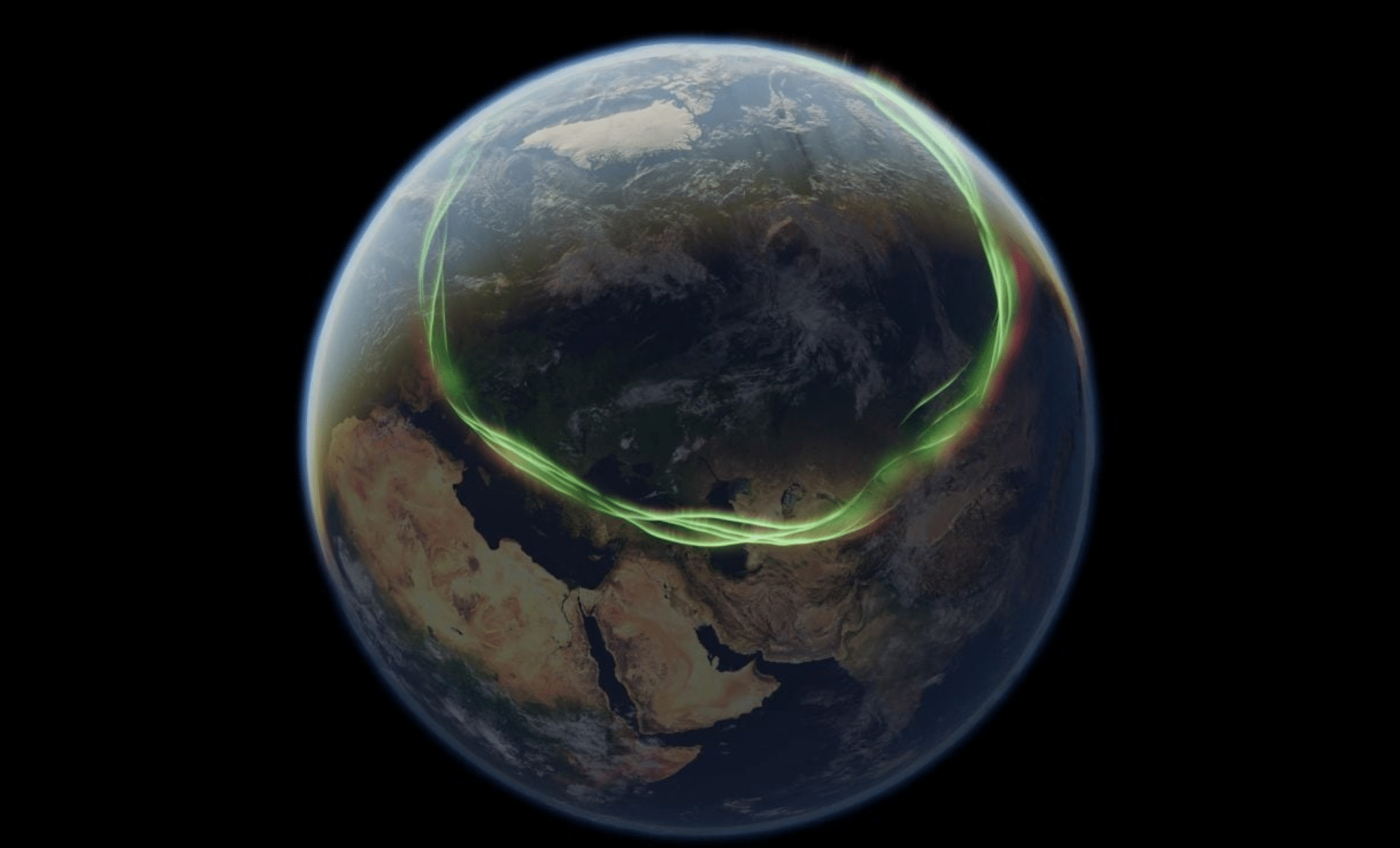
A groundbreaking publication in Science Advances sheds light on the significant consequences of a brief breakdown in Earth's magnetic field, an event termed the Laschamps Excursion. This comprehensive investigation, driven by collaborations between archaeologists and geophysicists and highlighted in The Conversation, links shifts in space weather to crucial transformations in early human behavior, cultural practices, and survival mechanisms.
The Laschamps Excursion: When Earth's Magnetic Shield Faltered Globally
Approximately 41,000 years ago, Earth's magnetic poles exhibited erratic activity. Instead of completing a full pole reversal, as occurs sporadically over geological timescales, the planet’s magnetic field dipped to under 10% of its current strength. This interval, known as the Laschamps Excursion, persisted for about one millennium, during which the magnetic shield fragmented into several weak, scattered poles worldwide.
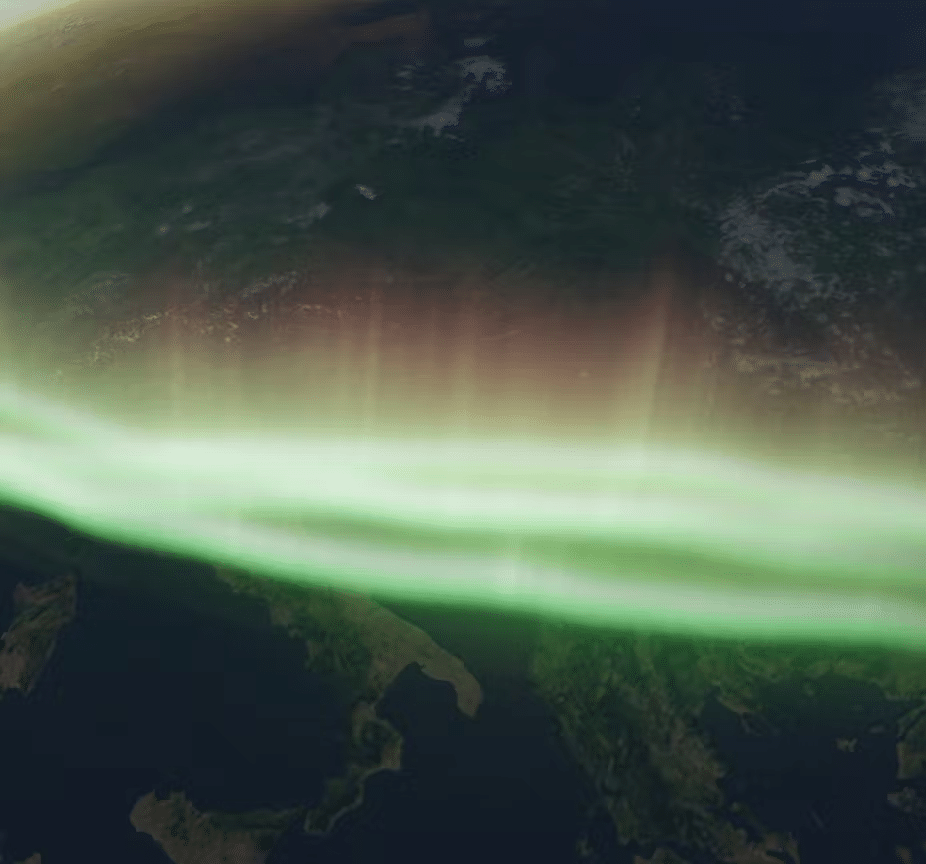
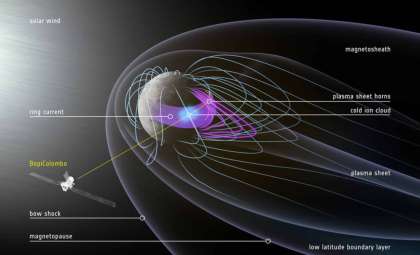
Ordinarily, the magnetosphere serves as a robust defense, diverting harmful solar wind and cosmic rays. However, the Laschamps event severely compromised this protection. The diminished magnetic barrier exposed the surface to heightened ultraviolet radiation, likely causing climate disruptions and impacting living organisms. Modeling suggests that auroral displays would have extended far beyond the poles, illuminating skies at mid and lower latitudes with phenomena both captivating and perilous for human and animal populations.

This magnetospheric collapse may have also influenced atmospheric chemistry, damaging the ozone layer and increasing risks of genetic mutations, skin cancers, and congenital disorders. Consequently, Earth's environment became more volatile and challenging, compelling early humans to adapt their interactions with the natural world.
Early Human Adaptations: Seeking Shelter, Clothing Innovation, and the Rise of Ochre Use
Although the magnetic disturbances were invisible, the archaeological timeline shows clear behavioral modifications, notably in Europe, where the impact was strongest. Evidence points to a rise in cave habitation, indicating that humans took refuge in caves to shield themselves from amplified radiation. These caves, once only sporadically inhabited, became vital living spaces that promoted safety and social interaction.
Another evolutionary response was the enhanced production of tailored garments. Artifacts such as bone tools and wear marks reveal that both Neanderthals and Homo sapiens developed more intricate clothing, likely to combat increased solar exposure and shifting climates. This clothing provided essential warmth and protection against radiation.
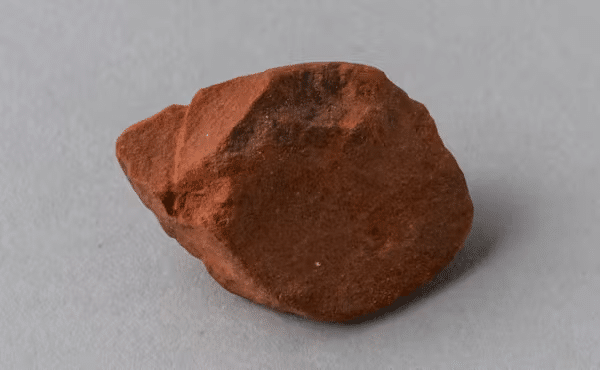
Most strikingly, the application of ochre—a mineral pigment rich in iron—became widespread. Archaeological discoveries show ochre served not only artistic and symbolic roles in cave art but was also applied directly to the body. Contemporary studies demonstrate that ochre offers natural UV protection, effectively acting as a primitive sunscreen. These behaviors reflect advanced environmental understanding and innovative adaptation, contradicting outdated views of early humans as passive victims of environmental hardship.
The Relevance Today: Preparing for Future Space Weather Challenges
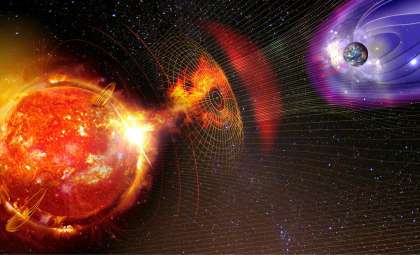
Insights from the Laschamps event extend beyond historical curiosity, serving as a warning for modern society. Earth’s magnetic field is currently weakening, particularly in the South Atlantic Anomaly, prompting concerns about potential future collapses and their effects on technology, climate, and human health.
Contemporary civilization relies heavily on satellites, air travel, power grids, and GPS systems, all susceptible to interference from heightened solar radiation. Lessons from how ancient populations endured space weather disruptions provide valuable guidance for resilience strategies. Just as prehistoric people sought refuge in caves, present-day engineers implement radiation-hardened data centers and protective measures for spacecraft.
This study exemplifies how including space weather impacts within archaeological frameworks deepens our understanding of human evolution, revealing that extraterrestrial factors have played an integral role. It also highlights the importance of cross-disciplinary collaboration, where archaeological insights offer a human-centered perspective alongside geophysical data.
Rethinking Human Origins Beyond the Neanderthal Decline
While it might be tempting to link the Laschamps Excursion directly to the Neanderthal extinction, researchers advise caution. There is no conclusive proof that the geomagnetic crisis caused their demise. Instead, this era represents a complex interplay of environmental factors such as radiation spikes, climate fluctuations, and species competition creating a challenging evolutionary landscape.
The evidence indicates that Neanderthals and early modern humans reacted distinctively to these stresses. Both groups implemented protective measures, but Homo sapiens demonstrated greater innovation, cultural diversity, and social flexibility—traits that supported their survival over time. This strengthens the idea that adaptive cognitive capacities were essential in shaping our species’ evolutionary path, influenced by both terrestrial and cosmic forces.
- Categories:
- News











0 comments
Sign in to Comment