
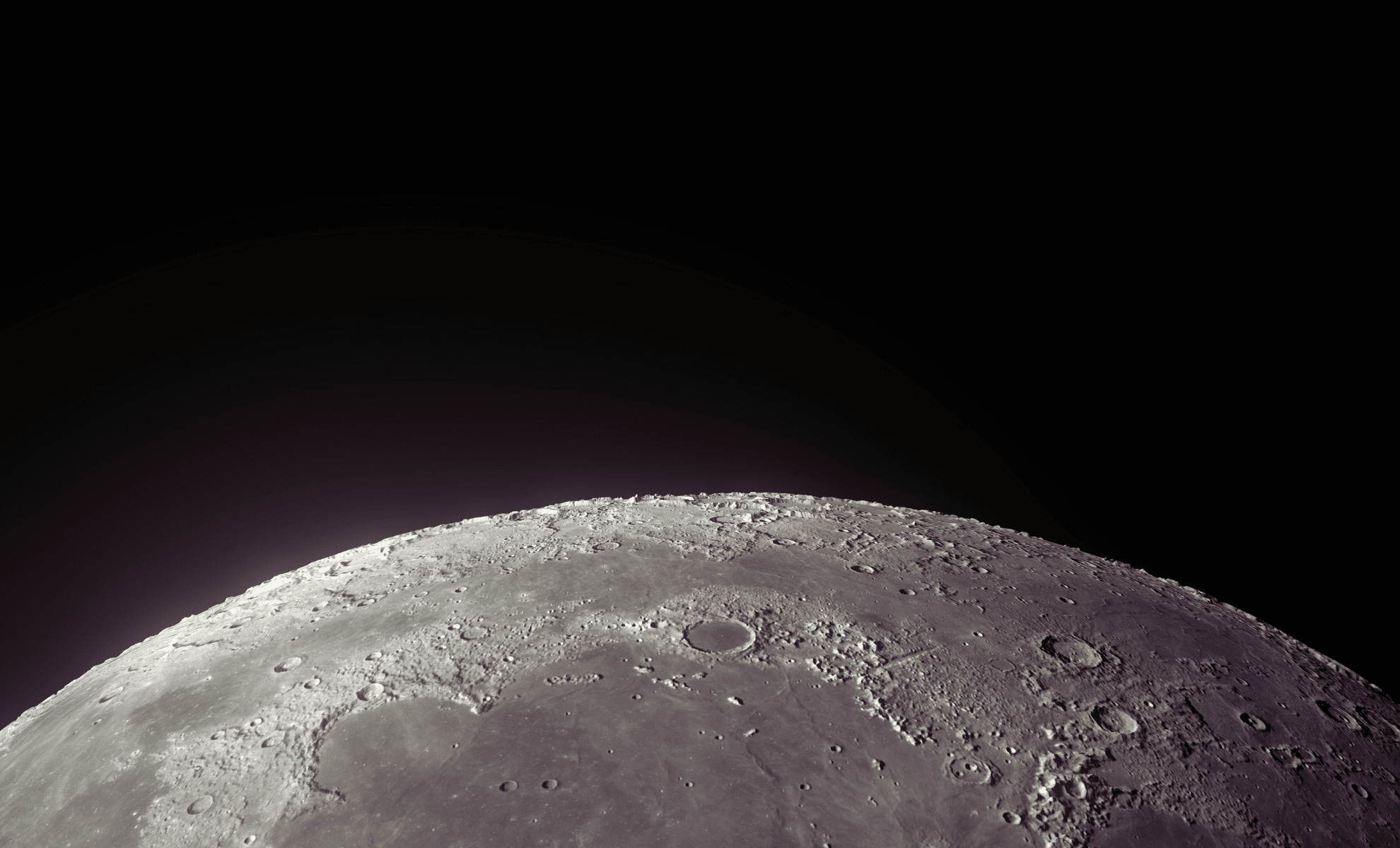
A recent research effort Science Advances has shed light on the enduring puzzle surrounding the Moon’s magnetic properties. Scientists at the Massachusetts Institute of Technology (MIT) propose that the Moon once possessed a faint magnetic field generated by a weak core dynamo. This field was then significantly enhanced during massive asteroid impacts. Their computer models reveal that plasma clouds formed after such colossal collisions, briefly strengthening the lunar magnetic field and leaving strong magnetic signatures in surface rocks, especially on the Moon’s far side, which remain detectable today.
Unraveling Lunar Magnetism
Planetary scientists have long struggled to explain why lunar rocks display strong magnetic characteristics, despite the Moon currently lacking an active magnetic field. Samples returned by Apollo missions, together with data from spacecraft orbiting the Moon, show that some areas—most notably on the far side—contain highly magnetized rocks. Two main theories dominated the debate: one attributed magnetism to an ancient, weak global dynamo similar to Earth's, while the other suggested temporary magnetic spikes caused by enormous asteroid impacts. However, neither fully accounted for the evidence, leaving the question unresolved for decades.
Innovative Simulation Techniques
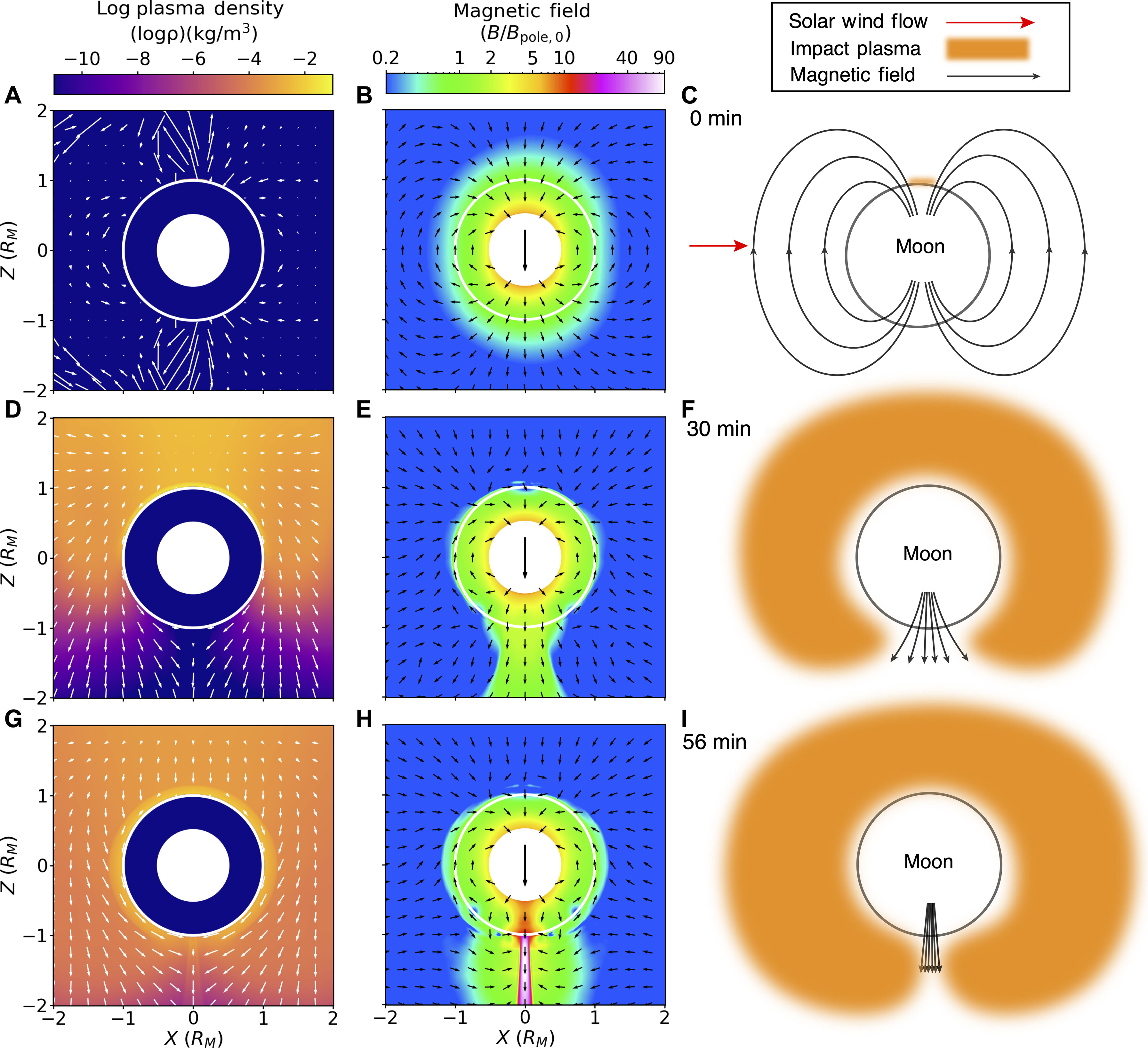
The MIT group, led by graduate student Isaac Narrett, adopted a novel strategy by integrating these previously competing ideas. Instead of attributing magnetism to the Sun’s weak magnetic influence, they simulated a scenario where the Moon had its own subtle dynamo creating a magnetic field approximately 50 times weaker than Earth’s. Their models simulated an impact on the Moon’s near side of Imbrium-sized scale, which vaporized surface material and generated an extensive plasma cloud. This plasma traveled around the Moon and concentrated on the far side, temporarily compressing and amplifying the weak native magnetic field. Although this intensified period lasted only about 40 minutes, it was enough to cause rocks to permanently record the enhanced magnetic field. Narrett noted, “Significant portions of lunar magnetism have remained unexplained, but our work accounts for most of the strong magnetic signatures captured by orbiters, particularly on the Moon’s far side.”

Impact-Driven Magnetic Effects
The study also found that seismic shockwaves generated by asteroid impacts played a crucial role in magnetizing lunar rocks. The colossal collision sent pressure waves sweeping through the lunar interior and converging at the side opposite the impact. These shockwaves disrupted electron orientations in the rocks precisely as the plasma surge intensified the magnetic field. As the electrons settled, they aligned with this temporarily amplified field, effectively locking the magnetic state into the rocks. MIT professor Benjamin Weiss likened this to “throwing a deck of 52 cards into the air within a magnetic field, where each card acts like a compass needle, settling into a new orientation upon landing.” This interplay between plasma amplification and seismic disturbance offers a robust explanation for the intense magnetization near the Moon’s south pole, opposite the Imbrium basin.
A Combined Origin Model for Lunar Magnetism
The research resolves the long-standing debate on whether the Moon’s magnetic history stems from a core dynamo or asteroid impacts. Findings illustrate that both phenomena contributed: the dynamo created a weak baseline magnetic field, which catastrophic impacts temporarily intensified. Co-author Rona Oran emphasized the significance of this combined approach: “The mystery of lunar magnetism has puzzled scientists for decades—is it dynamo-driven or impact-induced? Our work suggests a hybrid scenario that can be tested.” Upcoming missions, such as NASA’s Artemis program, may collect samples from the Moon’s far side to verify this hypothesis by examining shock signatures alongside magnetic intensity.
What This Means for Lunar Exploration
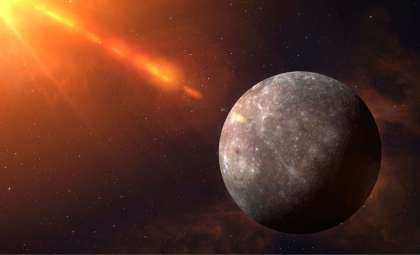
Deciphering the origins of lunar magnetism not only solves a vital planetary mystery but also enhances our understanding of the Moon’s geological past and inner structure. If large impacts left distinct magnetic imprints, these records serve as chronological markers of major events sculpting the lunar surface. This new insight provides clues about the Moon’s thermal history, its early dynamo activity, and offers parallels for understanding planetary magnetism elsewhere in the solar system, such as on Mars and Mercury. As crewed and robotic expeditions gear up to explore the lunar south pole and far side, directly sampling magnetized rocks could transform this simulation theory into concrete evidence.
- Categories:
- News






0 comments
Sign in to Comment