
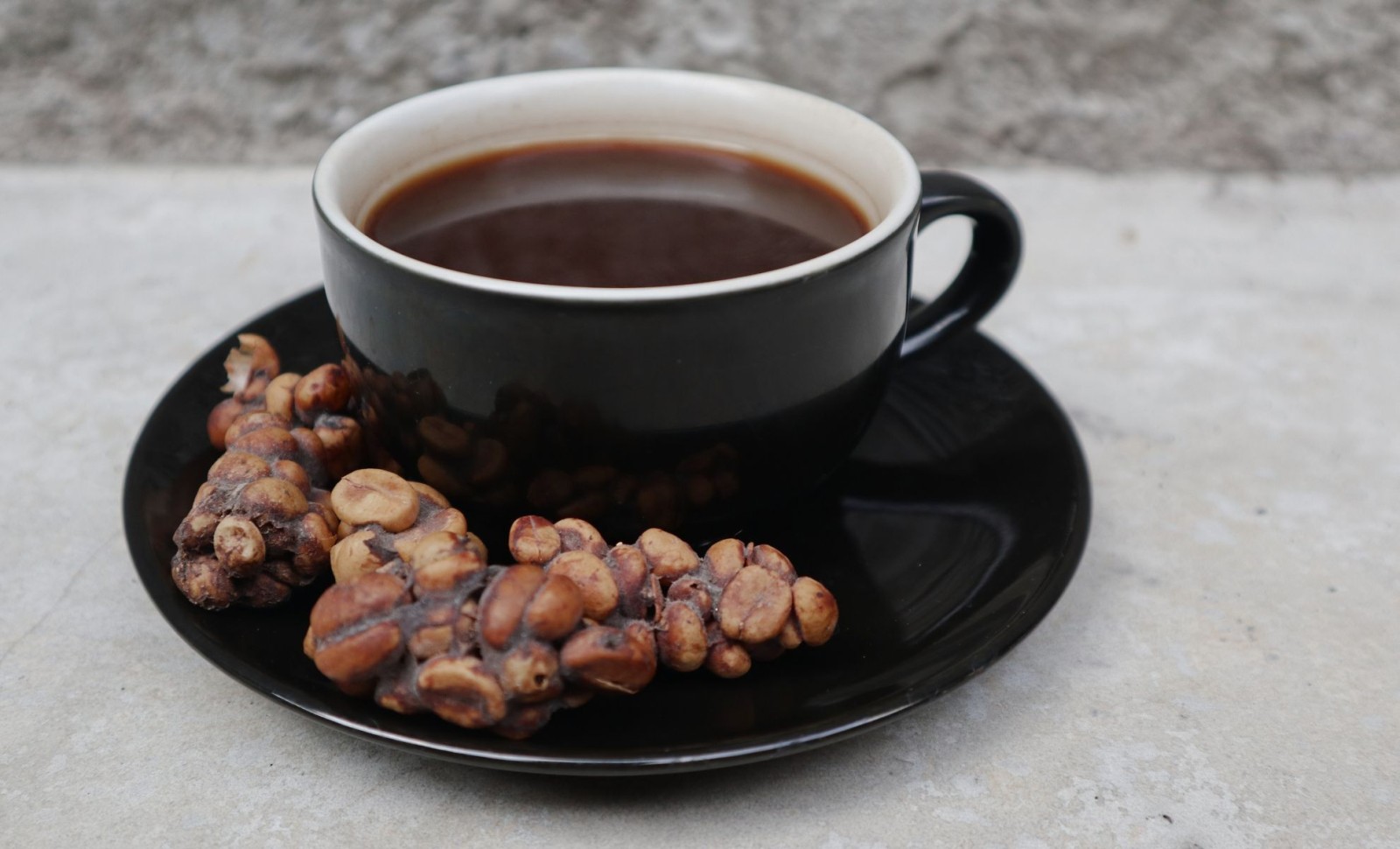
For more than 100 years, Kopi luwak has intrigued coffee lovers worldwide. This rare brew is produced using coffee cherries consumed by the Asian palm civet, a small nocturnal animal native to South and Southeast Asia. The civet digests the fruit pulp but passes the coffee beans intact through its digestive tract. These beans are then collected, cleaned, processed, and roasted into a luxury coffee that can fetch prices as high as $1,000 per kilogram.
The coffee is prized for its scarcity, unusual origin, and reputedly mellow flavor. However, until recent research, the belief that digestion by civets genuinely altered the beans was speculative. Scientists at India’s Central University of Kerala, publishing their findings in Scientific Reports, have now demonstrated that Kopi luwak possesses a distinct chemical composition.
Transformation Through Natural Digestion
The investigators discovered that beans retrieved from civet droppings tend to be larger and contain a higher fat content compared to standard coffee beans. This may be because wild civets selectively feast on the ripest and highest-quality coffee cherries.

Under the leadership of zoologist Palatty Allesh Sinu, the study revealed that levels of protein and caffeine remained largely consistent between civet-processed and regular beans. Nevertheless, significant differences emerged in other chemical constituents.
Notably, Kopi luwak beans showed elevated amounts of caprylic acid and capric acid methyl esters, substances associated with enhanced flavor and a creamier, milk-like aroma. These findings support the notion that the civet’s digestive mechanisms contribute to modifying the coffee’s chemical nature.
“These observations go with the hypothesis that the civet’s digestive process, comprising natural fermentation along with the enzymatic uptake, modifies the beans’ chemical composition, intensifying the flavor and adding to the distinctive sensory characteristics of civet coffee.”
Ethical Concerns Shadow Luxury Coffee Production
Despite scientific confirmation of its distinctive taste, the contemporary methods for producing Kopi luwak often spark ethical debates. What once was a natural collection from wild civets has morphed into a commercial system where animals are frequently captured, confined, and force-fed coffee cherries.
With demand soaring, civets are no longer predominantly found in free-roaming environments. As reported by ScienceAlert, many are held in cramped cages, provided a limited diet, and prevented from expressing their natural behaviors.
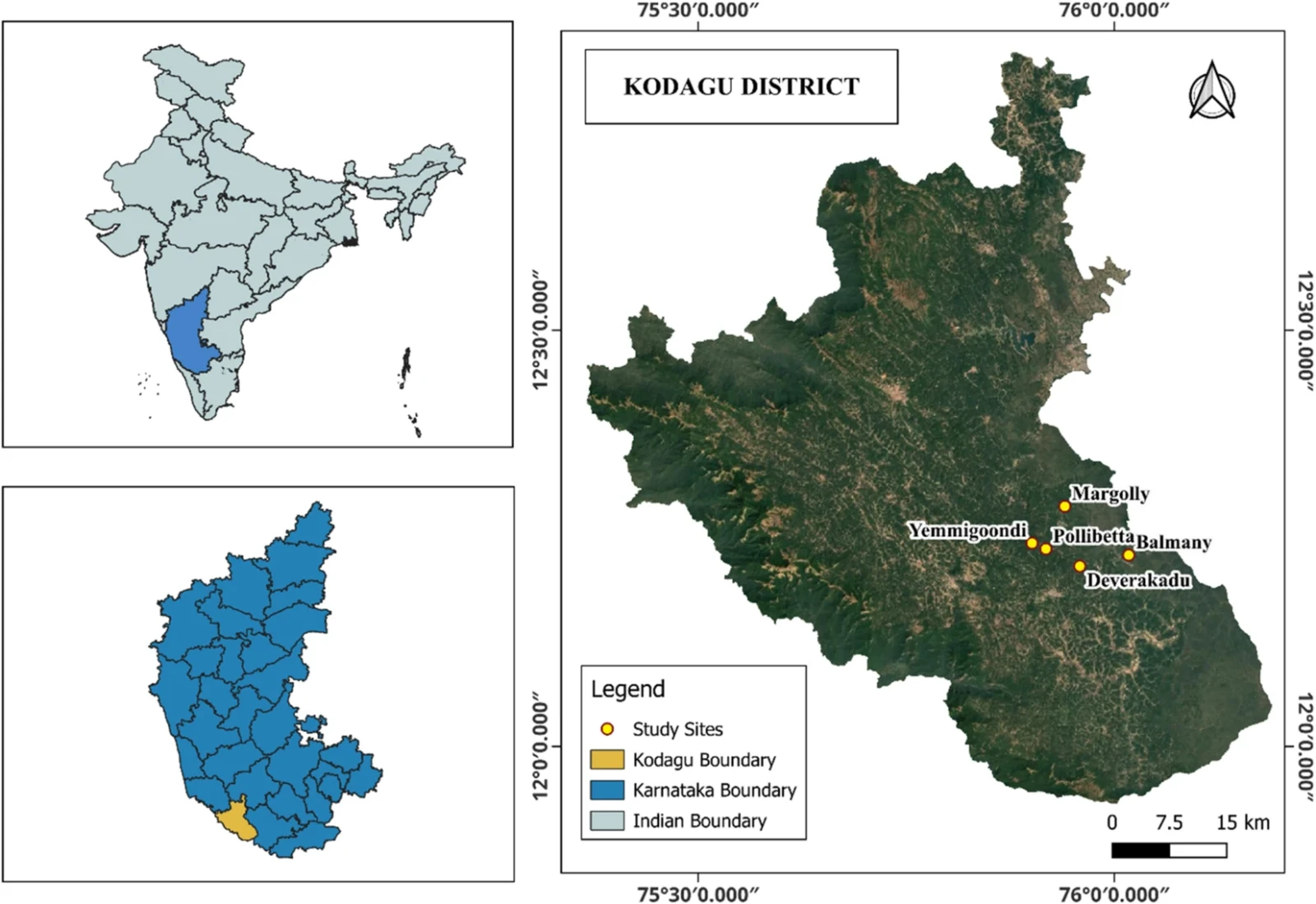
These practices have drawn sharp criticism from animal rights advocates and ethical coffee producers who contend that no premium coffee should come at the expense of such cruelty. Importantly, the beans analyzed in the Kerala study were sourced from wild civets, a practice becoming increasingly rare in today’s industry.
Unlocking Authenticity and Ethical Practices in Coffee
Thanks to the compositional insights from the study, it is becoming feasible to authenticate genuine Kopi luwak beans based on their chemical markers. Researchers propose that this approach could help identify counterfeit products and promote more responsible sourcing.
@foodpornWould you try this? This is Luwak Coffee and it is a coffee that consists of partially digested coffee cherries, which have been eaten and defecated by the Asian palm Civet or Luwak. The cherries are fermented as they pass through a Civet’s intestines.😁 It has a sweeter and less bitter flavour than traditional coffee 🫱🏽🫲🏾 #fyp #foryou #coffee #indonesia #bali
♬ original sound – Foodporn
Indicators such as caprylic acid can serve as markers to ensure beans come from wild civets and ethical collection methods rather than factory farms. This would grant consumers greater confidence and clarity about their purchases.
The researchers advocate for further investigation into the molecular aroma makeup of Kopi luwak to develop better verification methods and reduce the exploitation of these animals.
- Categories:
- News












0 comments
Sign in to Comment