
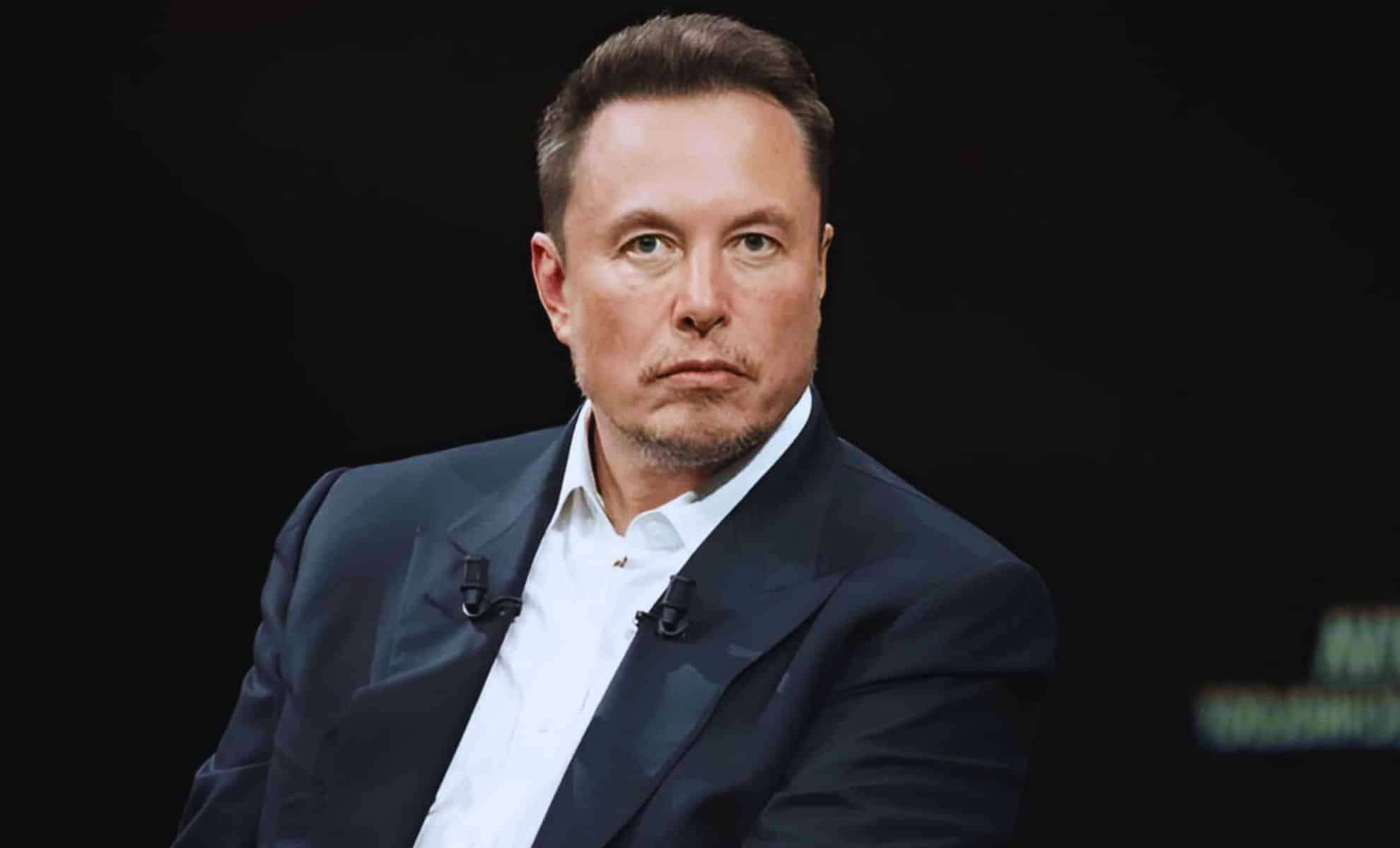
The technology sector has witnessed few duels as fierce as the one between Elon Musk and Tim Cook. Leading two of the world’s most influential companies, their rivalry spans innovation, market control, and now a pivotal moment in the evolution of smartphone satellite connectivity.
Apple CEO Tim Cook made a critical choice that has influenced the trajectory of satellite communication technology. This confrontation has spotlighted the competition between SpaceX’s Starlink and Apple’s partnership with Globalstar, intensifying the race for dominance in advanced communication solutions.
Musk’s Ambitious $5 Billion Proposal
Prior to the debut of Apple’s iPhone 14 in 2022, Elon Musk presented a transformative offer to Apple. As reported by Apple Insider, SpaceX proposed integrating its Starlink satellite network into the iPhone’s capabilities. The deal demanded an initial payment of $5 billion, followed by annual fees of $1 billion after an exclusivity term of 18 months. Musk insisted Apple decide within a strict 72-hour timeframe, convinced the offer presented unmatched value.

Despite this, Tim Cook declined the proposal, choosing instead to collaborate with Globalstar, a lesser-known satellite operator. This cautious route was intended to minimize risk and align with Apple’s strategic preferences. Musk’s reaction was immediate and strategic.
Sky-High Competition
Refusing to retreat, Elon Musk pushed forward by launching a competing satellite communication option targeting Apple’s market. Collaborating with T-Mobile, SpaceX rolled out Starlink Direct to Cell, enabling smartphones, including the iPhone, to connect directly via Starlink, as long as users were on the T-Mobile network.
This bold move heightened the rivalry, challenging Apple’s reliance on Globalstar for its phone’s emergency satellite functionality. While Apple advanced with its partnership, Musk’s service was already operational, offering wider coverage and enhanced features.
Legal and Corporate Challenges
The conflict extended beyond business rivalry into legal territory. In 2022, SpaceX contested Globalstar’s rights over vital wireless spectrum that supports Apple’s satellite infrastructure. SpaceX alleged that Globalstar underused its spectrum allocation, limiting competition and market access.
This legal challenge put Apple’s satellite plans at risk, potentially forcing the tech giant to seek alternatives, possibly turning back to Musk’s company. Meanwhile, internal concerns at Apple surfaced, with top executives like Craig Federighi questioning the longevity and modernization of Globalstar’s network. These internal debates reveal that Apple’s satellite strategy is more complex than it seems.
The Continuing Battle for Satellite Communication Leadership
The ongoing struggle between SpaceX and Apple highlights a high-stakes contest in the future of wireless connectivity. Musk’s combination of aggressive legal tactics and innovation has pressured Apple into rethinking its position. Beyond corporate competition, this duel shapes how smartphone communication will evolve in an increasingly networked world.
As Starlink advances its smartphone integration and Apple maintains its Globalstar alliance, the fight for control over the next era of satellite-enabled communication is far from over.
- Categories:
- News









0 comments
Sign in to Comment