
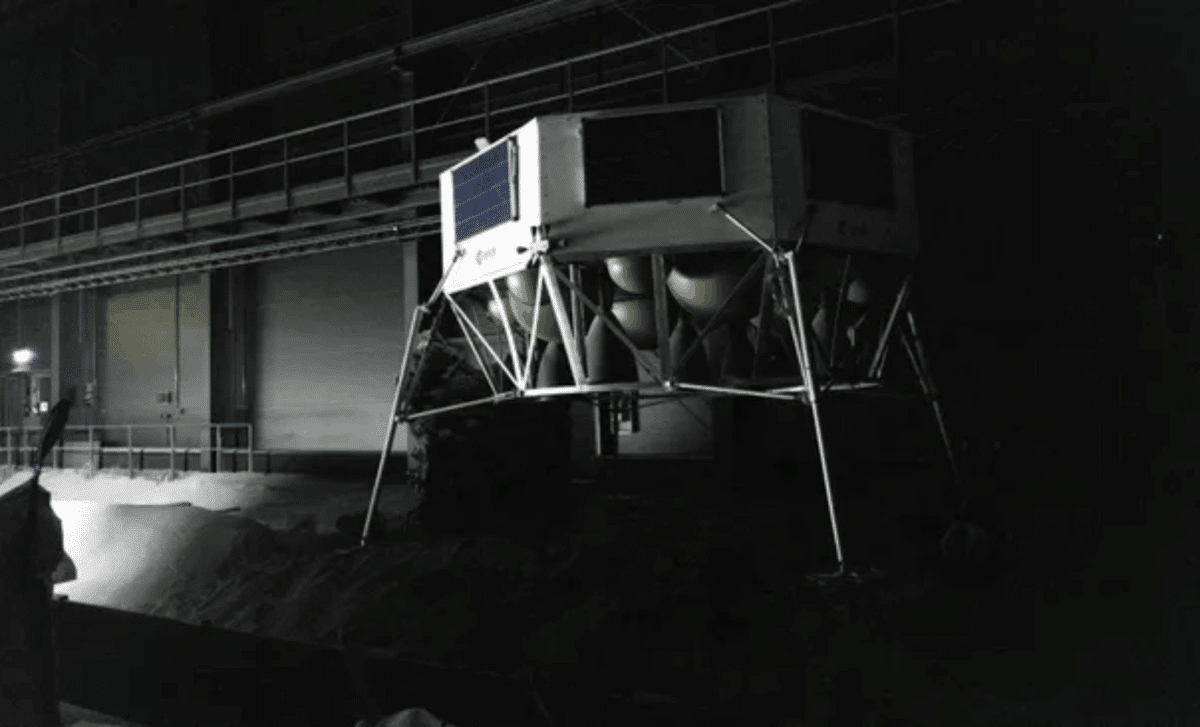
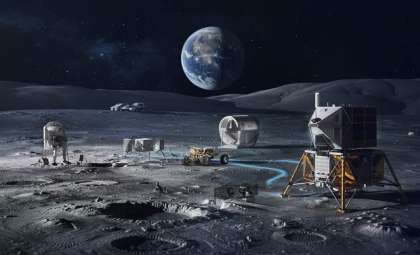
The European Space Agency (ESA) is advancing efforts to establish a lasting foothold on the Moon with the announcement of its Argonaut lunar lander. This innovative autonomous spacecraft is engineered to perform critical operations on the Moon’s surface, marking a major leap in European space exploration.
Leveraging sophisticated infrastructure like the LUNA simulation center, ESA is expanding the frontiers of lunar research. As detailed by Space.com, this mission sets the stage for enhanced European participation in upcoming Moon ventures.
A Bold Lunar Strategy by ESA
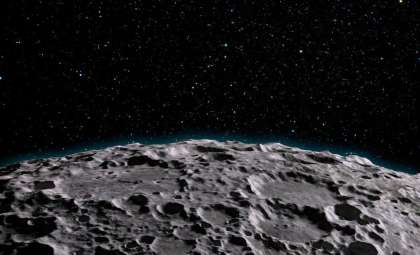
ESA is focused on building a self-sufficient European lunar outpost that supports an array of robotic and manned missions. The centerpiece of this strategy is the Argonaut lander, crafted to surpass the limitations of earlier lunar missions by delivering cargo to nearly any point on the Moon.

Capable of hauling up to 1.6 tons of payload, Argonaut will transport crucial supplies such as scientific instruments, rovers, and astronaut essentials. A standout feature is its design to endure the Moon’s formidable nighttime cold, which plunges to temperatures as low as -170°C (-274°F), lasting up to two weeks per lunar night. This resilience guarantees continuous operation during extreme lunar conditions.
The LUNA Simulation Environment: Earth’s Lunar Proxy
To ready Argonaut for its demanding role, ESA has collaborated with the German Aerospace Center (DLR) to build the LUNA testing facility near Cologne. This cutting-edge center replicates lunar surface conditions with remarkable accuracy, earning it the nickname “moon on Earth.”
At LUNA, scientists explore resource extraction and drilling techniques by accessing depths of nearly 9 feet beneath simulated lunar soil. The facility also simulates harsh solar radiation, shadowed crevices, and dust-laden environments, providing essential testing grounds for ESA’s lunar tech.
Flexible and Fully Autonomous Operations
Argonaut is designed not only as a cargo carrier but also as an adaptable robotic explorer. It will land at a wide variety of lunar sites, including challenging terrains that conventional landers cannot reach.
Equipped with sophisticated navigation technologies and sensors, Argonaut can autonomously execute landing, cargo deployment, and scientific experiments without continuous Earth-based control. This capability is critical given the roughly 3-second communication delay between Earth and the Moon, which complicates remote operations.
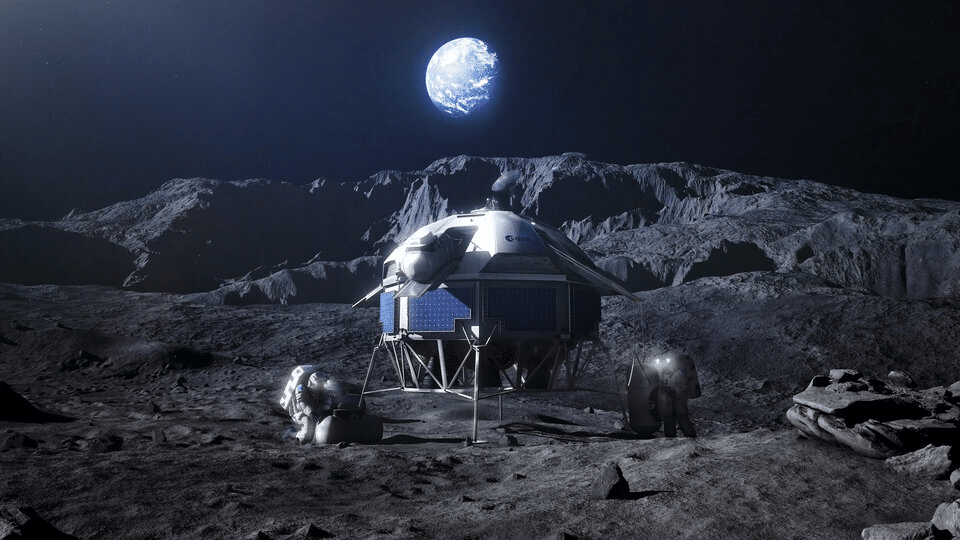
Robotics Paving the Way for Human Exploration
Robotic missions like Argonaut will form the foundation for future sustainable human activities on the Moon. While human crews will ultimately establish bases and conduct complex studies, robotic systems will initially deploy essential supplies, conduct preliminary scientific research, and support mission infrastructure.
As noted by Space.com, Argonaut is a key component of ESA’s collaborative approach to lunar exploration, designed to integrate seamlessly with international efforts to return humanity to the Moon.
- Categories:
- Space






0 comments
Sign in to Comment