
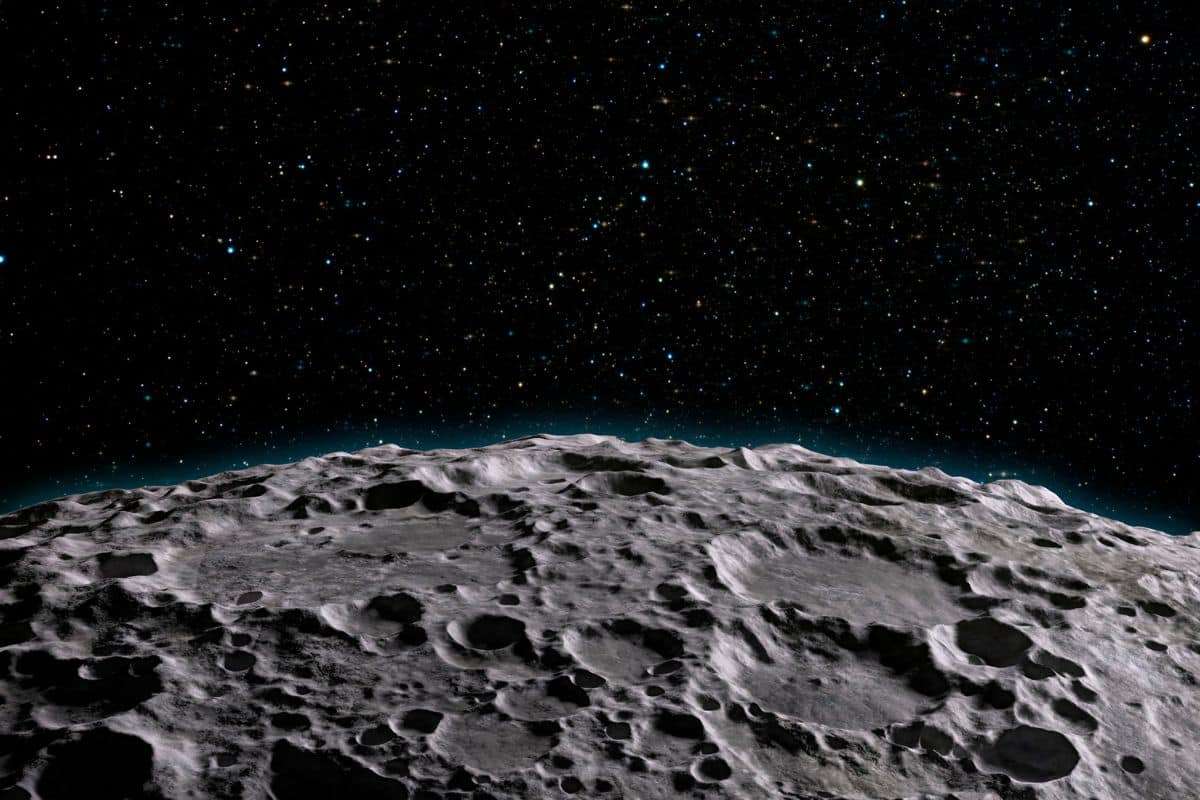
An independent lunar lander recently transmitted stunning visuals showcasing the mysterious far side of the Moon, a region never visible from Earth. The Blue Ghost spacecraft, developed by Firefly Aerospace and supported by NASA’s Commercial Lunar Payload Services (CLPS) program, is scheduled to achieve a landmark touchdown in Mare Crisium on March 2.
A Unique Perspective on the Moon’s Far Side
The Moon’s far side has largely remained unexplored. Unlike the Earth-facing side dominated by expansive dark plains, this hidden hemisphere is marked by a heavily cratered surface with minimal volcanic activity. Blue Ghost’s captured footage offers an unprecedented look at this rugged lunar landscape.
After executing a precise orbital maneuver, the spacecraft fired its thrusters for over three minutes to descend into a lower elliptical orbit approximately 120 km above the Moon’s surface, capturing detailed images along the way.

The high-definition footage reveals striking contrasts between the cratered regions and the extensive lunar highlands, emphasizing just how distinct the far side differs from the near side viewed from Earth.
Approaching the Surface
While orbiting, Blue Ghost is performing a series of carefully planned engine burns, lowering its altitude in preparation for landing. The lander carries 10 scientific and technological instruments aimed at examining various lunar conditions.
These include devices to study the Moon’s electric and magnetic fields in detail. Another critical experiment involves capturing X-ray imagery of Earth’s magnetosphere, deepening our understanding of lunar interactions with Earth’s space weather environment.
NASA is also leveraging this mission to evaluate new space technologies. Tests include assessing radiation-hardened computing platforms for reliability in deep space and dust mitigation solutions critical for future crewed missions. The mission will additionally trial regolith sampling techniques, laying groundwork for future lunar resource extraction.
The Final Descent and Upcoming Events
Blue Ghost’s touchdown is planned for March 2 in Mare Crisium, an area selected for both scientific interest and relatively smooth terrain. The lander is expected to operate for approximately 14 days before succumbing to the extreme cold of the lunar night.
On March 14, the lander will document a total eclipse, occurring when Earth obscures the Sun from the Moon’s perspective, providing opportunities to study surface temperature fluctuations.
Then, on March 16, it will witness the lunar sunset, observing how electrically charged dust particles become suspended—a phenomenon that could affect future lunar missions.
The Mission’s Broader Significance
Blue Ghost is more than a technological milestone; it signifies a vital phase in NASA’s strategy to partner with commercial entities for lunar exploration. Through CLPS, NASA entrusts private companies with delivering payloads to the Moon, streamlining costs and speeding scientific discovery.
Firefly Aerospace and other commercial space organizations are demonstrating the ability of private industry to support deep-space missions historically dominated by government programs.
Findings from this mission will advance the objectives of NASA’s Artemis program, which aims to return astronauts to the lunar surface and establish a permanent human presence. The data collected will also inform the development of lunar habitats, resource utilization, and extended exploration beyond Earth.
- Categories:
- Space









0 comments
Sign in to Comment