
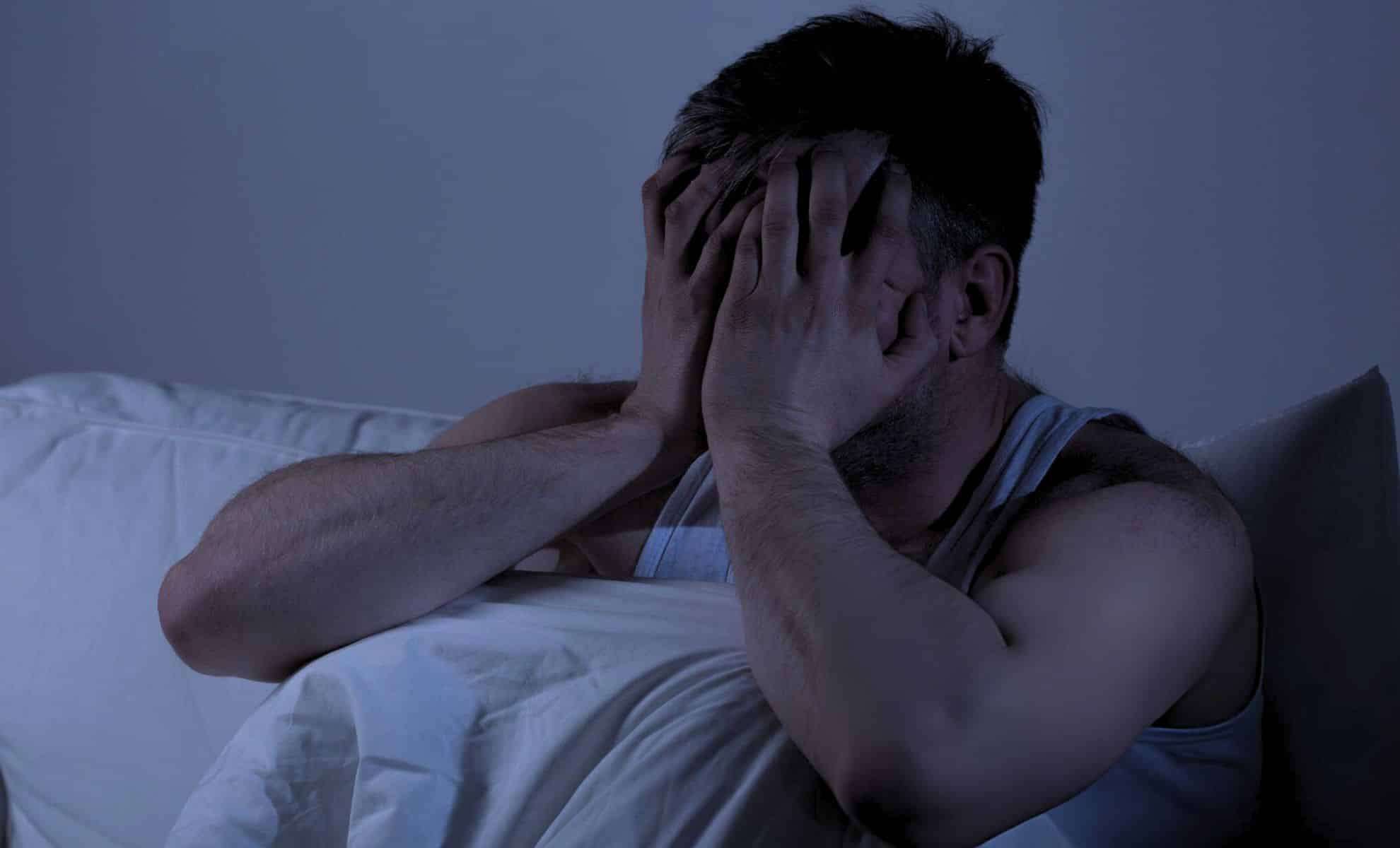
Experiencing awakenings in the middle of the night can be aggravating, especially when falling back asleep feels impossible. While it’s common for many to instinctively check their phones, sleep specialist Dr. Biquan Luo, CEO of LumosTech, cautions that this tendency might worsen sleep disruption. He highlights that viewing the time or browsing your phone can elevate stress levels and hinder your ability to return to sleep. Experts recommend adopting a different approach for better rest. Here’s what you should do instead.
Why Using Your Phone at Night Can Backfire
According to Dr. Luo, looking at the clock or your phone during nighttime awakenings often triggers unnecessary stress and makes it tougher to resume sleep. In addition to raising anxiety levels, the various types of content on your device—such as social media posts, news, or emails—are mentally activating. This heightened engagement interrupts relaxation and delays sleep onset. Key issues linked to nighttime phone usage include:
- Heightened anxiety: Checking the time can create tension, hampering relaxation.
- Mentally activating content: Scrolling through messages or feeds can prevent your mind from calming down.
Recommended Alternatives: How to Improve Nighttime Sleep
Dr. Luo suggests that if you find yourself unable to fall asleep after about 10 to 15 minutes of restlessness, the ideal step is to leave your bed. He advises moving to a serene, cozy spot in your home—like the couch—and engaging in a quiet, low-stimulus activity such as reading or listening to soothing music.

Once sleepiness returns, head back to your bed. This method reduces frustration and helps promote a more positive sleep routine.
Suggestions for Handling Nighttime Wakefulness:
- Leave your bed: Stepping away when you can’t sleep prevents your bed from becoming associated with wakefulness.
- Choose calm activities: Quiet reading or soft music can aid relaxation.
- Return only when sleepy: Go back to bed only when you genuinely feel ready to sleep.
Building Healthy Sleep Associations With Your Bed
Dr. Fiona Barwick, who leads the Sleep & Circadian Health Program at Stanford University, stresses that worrying about sleeplessness often intensifies the problem. This mental stress spikes anxiety. Barwick recommends calmly accepting the wakefulness instead of struggling against it, focusing on something neutral or soothing.
Similarly, Dr. Luis F. Buenaver from Johns Hopkins Medicine shares this advice, cautioning that staying in bed while awake can condition your brain to link the bed with alertness instead of rest.
To break this cycle, Dr. Buenaver advises getting out of bed and sitting comfortably in another room, reinforcing the bed’s role as a place for sleep rather than frustration.











0 comments
Sign in to Comment