
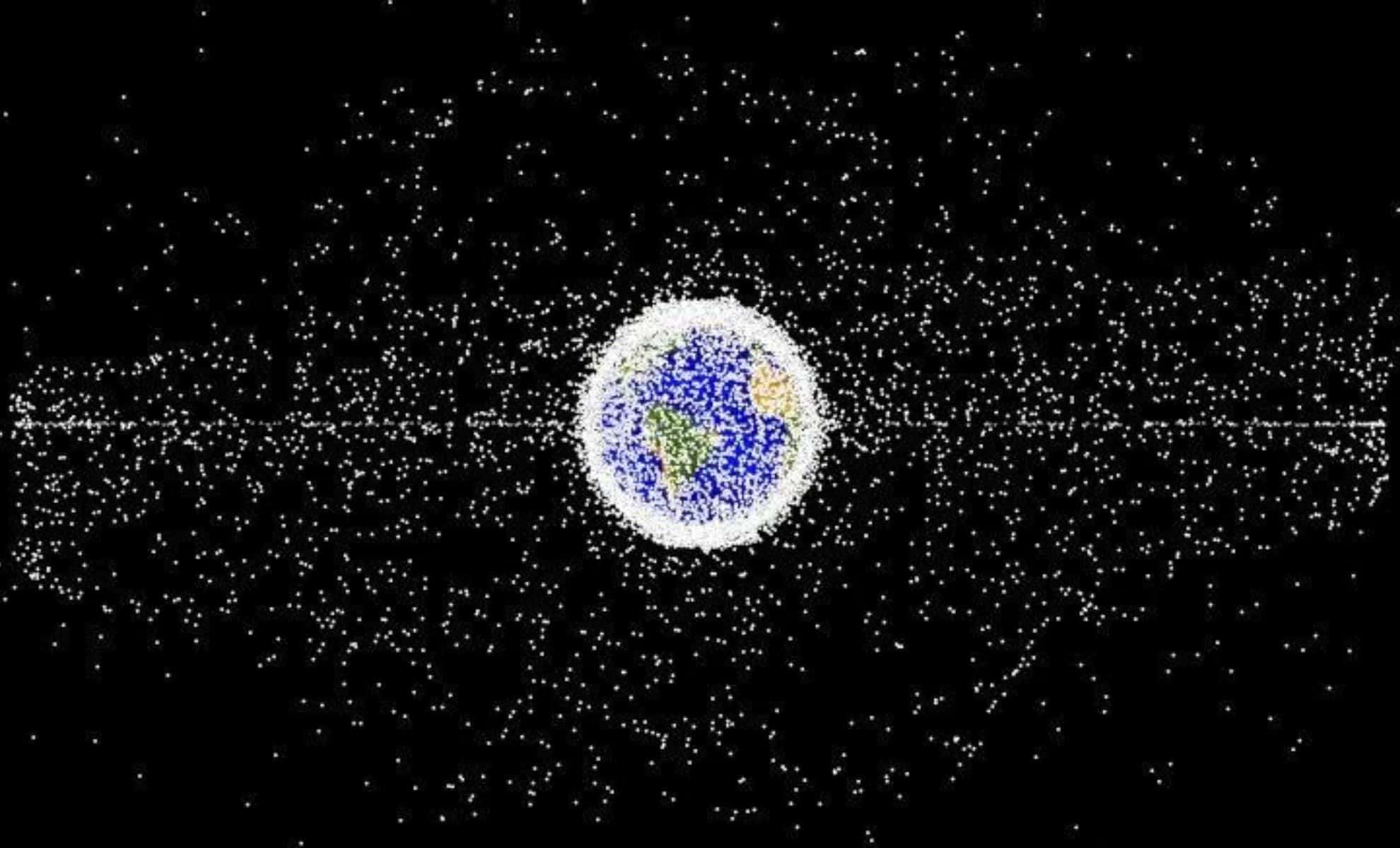
With the surge in space launches and spacecraft returning to Earth, scientists are increasingly alarmed by the hazards presented to airplanes from descending space debris. A newly published analysis emphasizes how uncontrolled fragments reentering the atmosphere could threaten commercial flights, especially above heavily trafficked flight corridors. Although the odds of a direct hit remain low, the fallout could be devastating. This concern gained prominence following the SpaceX Starship incident in January 2025, when remnants scattered over the Atlantic near the Turks and Caicos Islands, prompting temporary flight restrictions and delays nearby. This event highlighted the pressing need for deeper insight into how falling debris might impact aviation safety.
The primary worry centers on the increasing number of space missions, which is anticipated to raise the volume of orbiting debris and thereby increase the chance of reentries affecting aircraft. Aviation authorities face the challenge of safeguarding against these risks while minimizing disruptions. The study’s findings shed new light on these dangers, revealing that debris reentries could lead to flight interruptions and, in some cases, closure of airspace — consequences that extend globally due to the interconnected nature of air travel.
Research Reveals Elevated Threats to Dense Flight Zones
According to the study featured in Scientific Reports, there is a 26% annual probability of uncontrolled space debris falling over high-traffic airspaces like the Northeastern U.S. and Northern Europe. This amplified risk correlates with the rapid expansion of both space launches and air travel, potentially increasing the frequency of airspace restrictions. While these closures aim to protect aircraft, they carry significant economic costs by causing pervasive delays and operational challenges across airline networks.

The influx of satellites and routine space missions grow the amount of orbital debris, raising chances of unpredictable reentry events. Although current tracking tools provide some forecasts of debris descent, pinpointing exact impact locations remains a major challenge. This uncertainty, combined with increased launch rates, complicates how authorities can best regulate and manage the mounting risks to aviation. The researchers stress that advancing space traffic management systems and enhanced debris tracking technologies will be critical to maintaining flight safety with minimal economic disruption.
The Escalating Challenge of Space Debris for Aviation Regulators
As space technology advances and launches multiply, the accumulation of debris orbiting Earth steadily grows. The research team estimates there are currently over 2,300 spent rocket stages in orbit, most expected to reenter in an uncontrolled fashion eventually. Managing these reentries to protect aircraft represents a growing challenge for global aviation safety frameworks.
Authorities and space organizations face increasing pressure to implement effective debris mitigation policies, including promoting planned controlled descents to reduce airborne and ground hazard risks. Addressing this problem requires a unified global strategy involving space agencies, private sector entities, and policy regulators collaborating to develop solutions. Deploying debris removal technologies, improving tracking accuracy, and enforcing stricter spacecraft design standards to minimize debris production will be vital for the coexistence of air travel and expanding space activities.
With thousands of objects in orbit and new launches continually adding to this stockpile, the long-term risks posed by falling debris will challenge air traffic systems worldwide for decades. Researchers advocate for more advanced tracking capabilities to better anticipate reentries and endorse regulations mandating controlled oceanic reentries to limit aviation hazards.
Summary of Significant Results from Space Debris and Flight Safety Study
Next Steps in Addressing Space Debris Challenges
As orbital traffic intensifies, international collaboration on debris management becomes crucial. Emerging innovations focused on enhanced space debris detection and spacecraft engineering that lowers debris generation are expected to play key roles in mitigating aviation risks. Policy-makers and space entities are likely to tighten requirements around debris clearance and design standards to ensure harmonious advancement of air travel and space exploration.
Globally, space agencies are accelerating efforts to adopt preventative strategies against debris hazards, signaling a major future priority. The increase in launches and missions demands rigorous space traffic control measures, including novel debris collection and safe reentry protocols. As humanity pushes further into space, safeguarding flight paths from falling debris will remain essential for the sustained success of both aviation and extraterrestrial ventures.
- Categories:
- News











0 comments
Sign in to Comment