
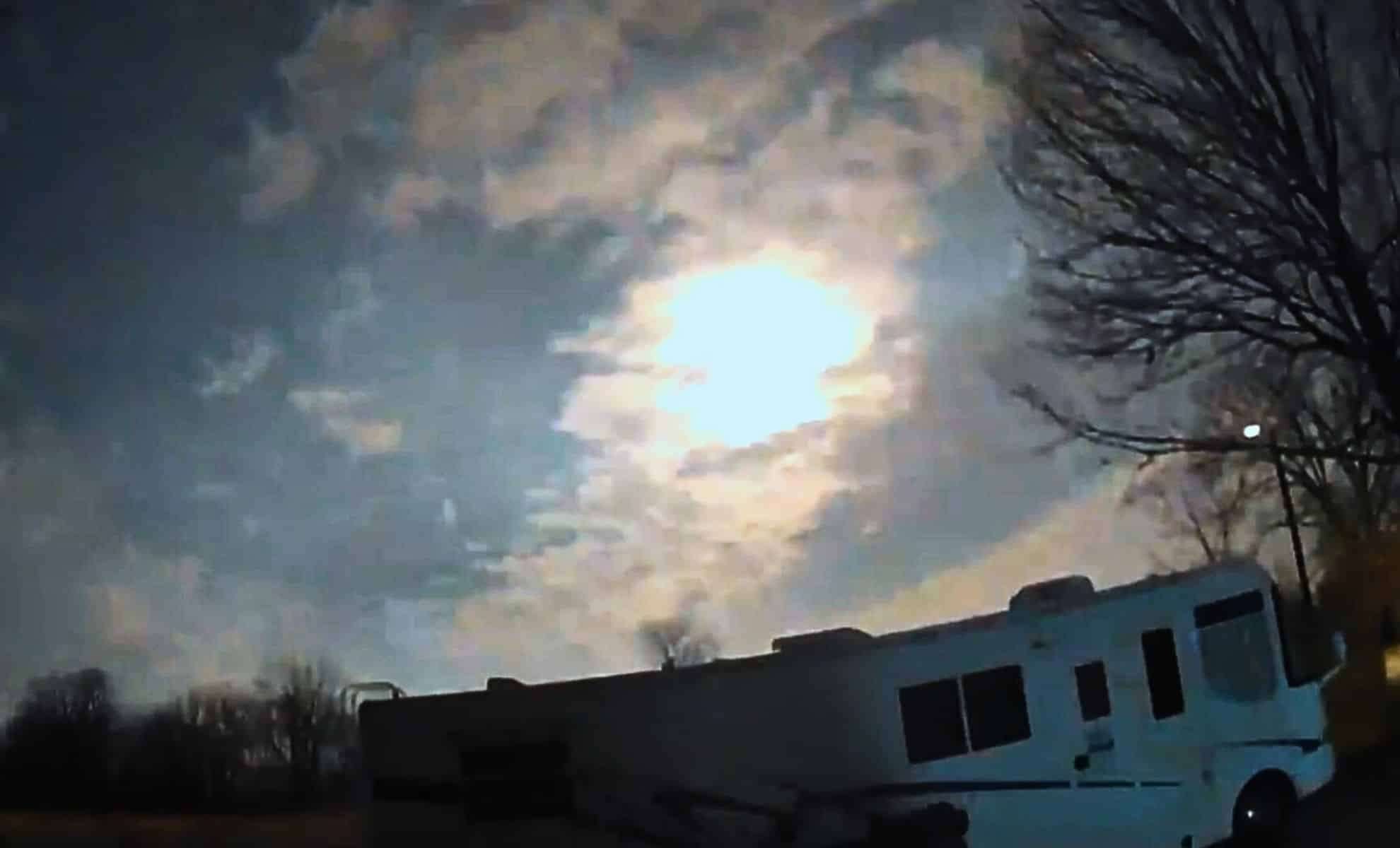
Early on December 10, 2024, residents throughout the Midwestern United States were startled by an unusual event. People from cities including Chicago, Indianapolis, and St. Louis reported hearing a powerful boom accompanied by a dazzling flash in the sky. This rare spectacle quickly went viral on social media with countless photos and videos shared online, igniting widespread intrigue. What was the source of this dramatic incident? Could it have been a meteor, an explosion, or a different cause?
Is a Meteor Responsible?
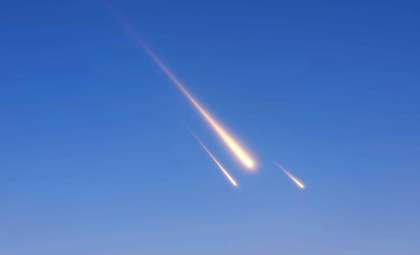
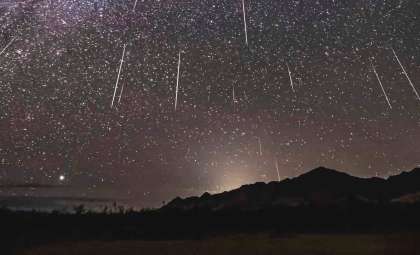
Specialists from the American Meteor Society promptly addressed the reports, suggesting that the event was likely triggered by a fireball. Fireballs are meteors traveling at extremely high velocities as they enter Earth's atmosphere. The rapid movement generates intense heat through friction, producing a brilliant flash visible from the ground.
The atmospheric entry also creates shock waves that often resemble loud explosions or thunderclaps. Witnesses who experienced the boom described it as strong enough to rattle windows, with some comparing it to a distant thunder or a minor blast. The subsequent flash was noted to be intensely bright and nearly blinding. This combination of a sonic shockwave and a striking light display is characteristic of high-speed fireballs passing through the atmosphere.

Accounts from Witnesses
Numerous onlookers took to social media to share their vivid memories of the event. One person from Indianapolis recalled, “I initially thought something had crashed or an accident occurred.” They added, “The flash was incredibly bright, and the noise was overwhelming.” Some witnesses reported feelings of alarm, suspecting explosions or even military exercises might be responsible.
The unusual sound and light prompted various speculations, including fears about incidents involving military bases or aircraft. Nonetheless, experts have typically rejected these ideas, favoring a more straightforward natural explanation.

Scientific Perspective
Astronomers and meteorologists agree that the most likely reason behind the event was a fireball or meteoroid entering the atmosphere. The American Meteor Society and other space authorities confirm that meteors often generate these impressive flashes and loud noises. The objects responsible for such events are usually no bigger than a softball, but their high speed combined with atmospheric friction produces striking visual and auditory effects. Despite their startling nature, fireballs are entirely natural phenomena.
Sometimes these meteors detonate mid-air, scattering fragments called meteorites below. Although uncommon, such explosions can create powerful sonic booms audible across extensive distances, similar to the one heard on December 10. Such meteor events are referred to as bolides, with the loud sounds caused by shock waves generated during atmospheric entry.
Understanding the Impact
While many meteors pass unnoticed through Earth's atmosphere, an event of this scale captivates public attention. Despite the thrilling thunder-like sound and luminous burst, experts confirm that the odds of this phenomenon being a military test or explosion are very low. Instead, thorough scientific analysis supports a simple and well-understood explanation grounded in meteor physics, which has been widely disseminated and verified.
- Categories:
- Astronomy ,
- Astronomy ,
- News ,
- News ,
- Space ,
- Space









0 comments
Sign in to Comment