
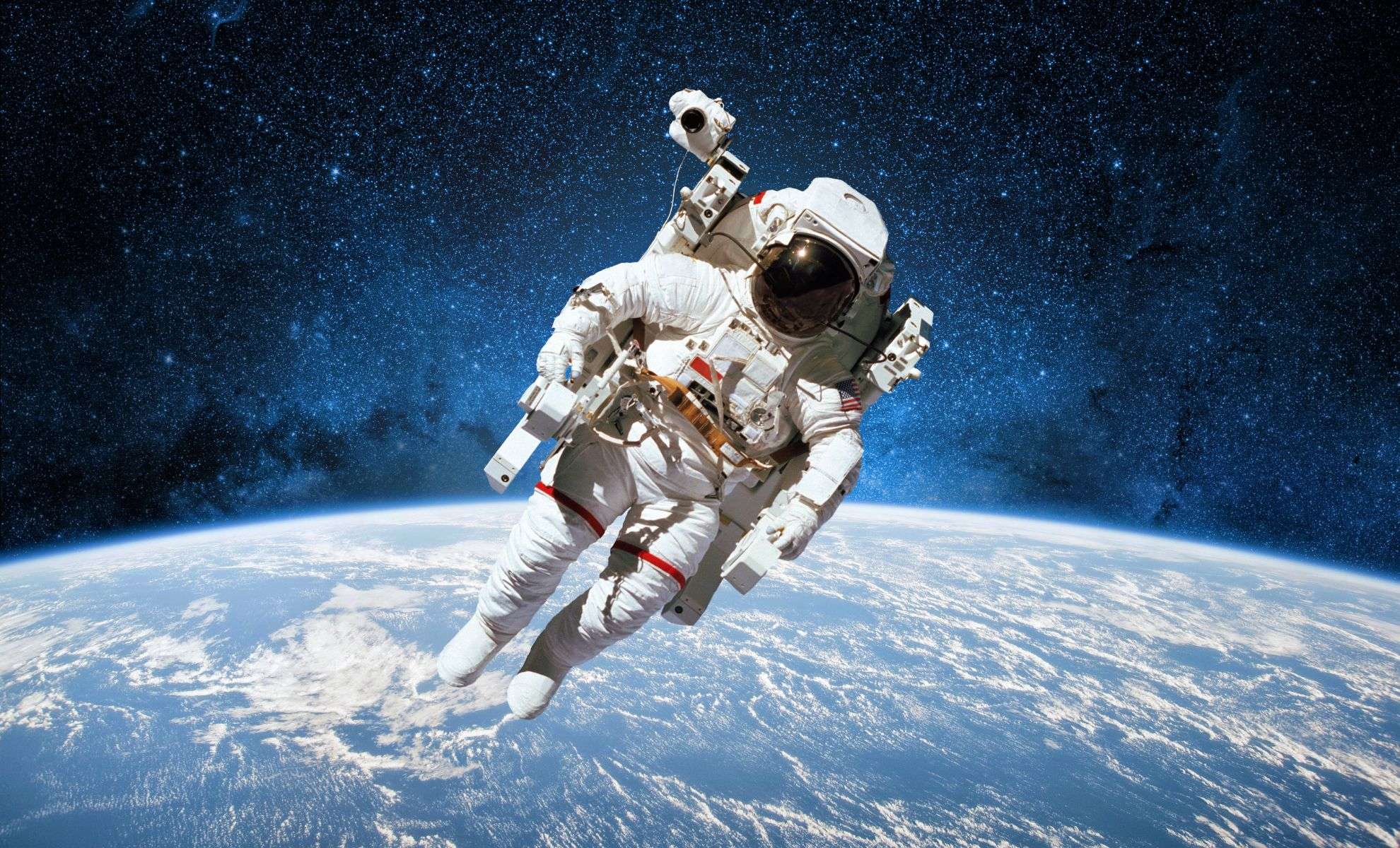
The quest to explore outer space has propelled humankind to extraordinary achievements, such as stepping onto the Moon and sustaining nearly continuous habitation on the International Space Station (ISS) for over 20 years. As missions become more ambitious, including plans for a multi-year expedition to Mars, understanding how long humans can endure spaceflight grows increasingly vital. Our bodies, adapted to Earth's gravity, face formidable obstacles in space, where prolonged exposure to microgravity, cosmic radiation, and social isolation can cause significant physical and psychological decline.
Researchers specializing in space medicine and radiation science have investigated the impact of long-term space missions on astronaut health. Their studies highlight both the risks and innovative solutions that may allow humans to live and work in space for extended periods, potentially for decades. Promising strategies range from enhanced physical training and artificial gravity technology to superior radiation protection, offering hope amidst considerable scientific hurdles.
Microgravity’s Impact: The Body’s Transformation in Space
Exposure to microgravity induces profound bodily changes. The human physiology, designed for life on Earth, begins to weaken rapidly when gravity is absent. Mark Shelhamer, a Johns Hopkins professor and former NASA scientist, explains, “In the absence of routine physical effort—normally performed simply by standing against gravity—the bones, muscles, and cardiovascular system deteriorate significantly.”

Despite strict exercise regimens, astronauts lose approximately 1% of bone mass each month, and muscular strength diminishes due to lack of weight-bearing motion. This decline complicates physical functioning upon return to Earth’s gravity and may sometimes prevent safe reentry. Shelhamer adds, “If astronauts remain in the weightless environment, these changes may pose no immediate harm, but re-adapting to Earth’s gravity could be impossible.”
Radiation Hazards: The Invisible Risk Beyond Earth’s Shield
On long missions beyond Earth’s magnetic shield, radiation poses a serious threat. Francis Cucinotta, a professor at the University of Nevada, Las Vegas, notes, “While ISS-like shielding enables survival, it carries over a 10% risk of life-threatening illnesses after several years in deep space.” Acute radiation sickness is rare, but chronic exposure increases the likelihood of cancer, cardiovascular disease, and neurological impairments.
A comprehensive Gizmodo report outlines the cumulative dangers of deep space radiation, emphasizing delayed health effects. Cucinotta details, “Conditions such as cataracts arise around five years post-exposure; leukemia can develop within two years; solid tumors and heart disease may take five to ten years.” These facts underscore the urgent need for enhanced radiation defenses and medical advances on interplanetary voyages.
Mental Health in Isolation: Psychological Strains of Space Travel
Maintaining psychological well-being is essential for extended missions. Shelhamer highlights, “Living in confined quarters with few companions poses considerable mental health challenges, especially if a meaningful mission goal is absent.” Restricted environments, repetitive routines, and lack of natural stimuli can provoke stress, anxiety, and depression.
Separation from Earth demands extraordinary focus from astronauts, who rely on structured timetables, contact with loved ones, and leisure activities to manage emotional strain. However, preserving mental health on long-duration flights remains a formidable obstacle for mission planners.
Innovative Approaches: Artificial Gravity and Enhanced Radiation Prevention
To prolong human viability in space, scientists are developing technologies addressing microgravity and radiation challenges. Artificial gravity, produced by spacecraft rotation, offers a potential remedy to muscle and bone loss, while new shielding materials aim to deflect hazardous cosmic rays.
Shelhamer stresses the significance of mitigating strategies: “Implementing countermeasures could extend safe mission lengths to around ten years and may enable safe return to Earth if exercise is sufficiently robust.” He further notes, “With the right combination of artificial gravity, radiation protection, and mental health support, humans might conceivably remain in space indefinitely.”
Looking Ahead: The Future Limits of Human Spaceflight
Despite progress, human survival in space continues to be limited by current technology and biology. At NASA collaborator Stanford physicist Eneko Axpe explains, “A three-year Mars mission is achievable, though astronauts are expected to suffer serious health effects.” Key issues such as bone deterioration, radiation damage, and cognitive decline must be managed before attempting longer-term interplanetary travel.
Holding the record for longest continuous spaceflight, Russian cosmonaut Valeri Polyakov spent 437 days aboard the Mir space station, demonstrating impressive human fortitude. Nevertheless, Axpe warns, “Going beyond this duration will push human endurance to its limits.”
- Categories:
- News










0 comments
Sign in to Comment